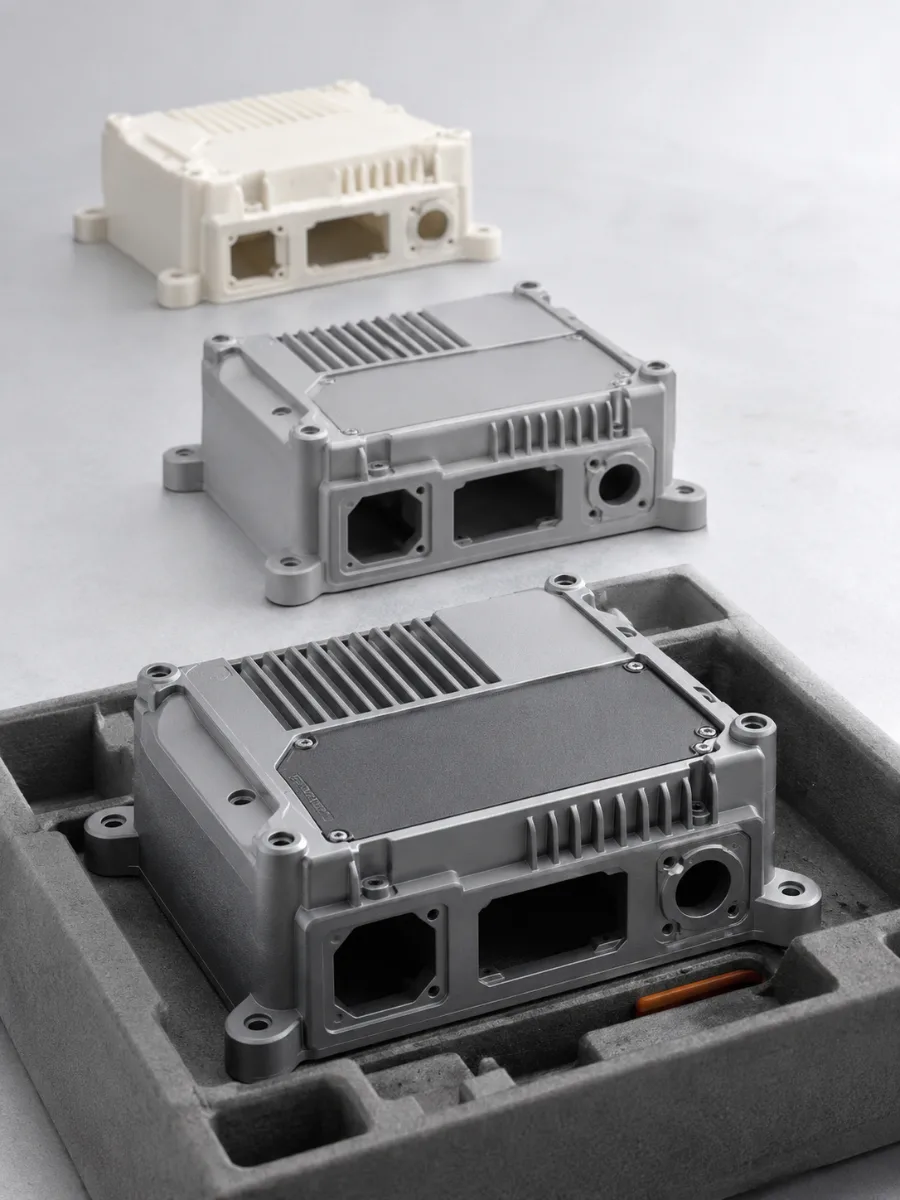
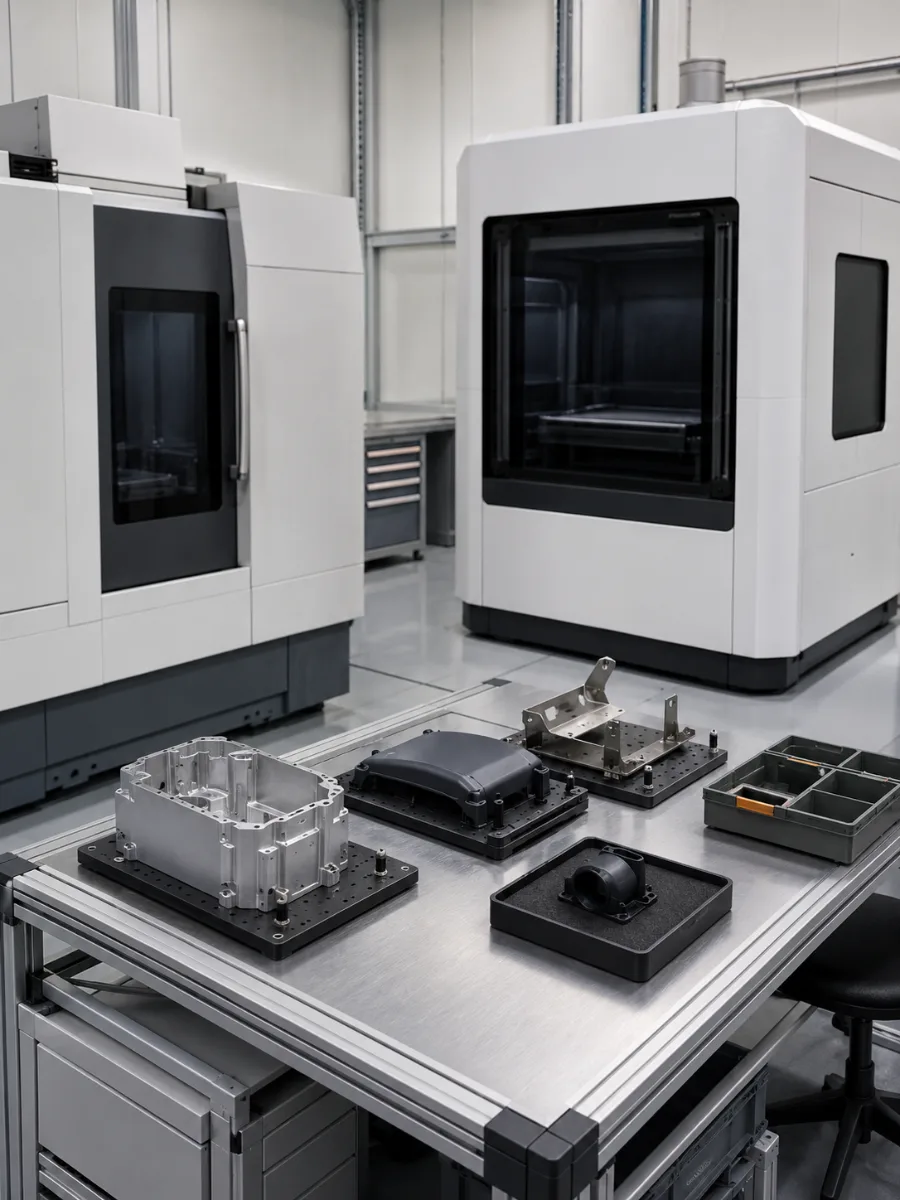
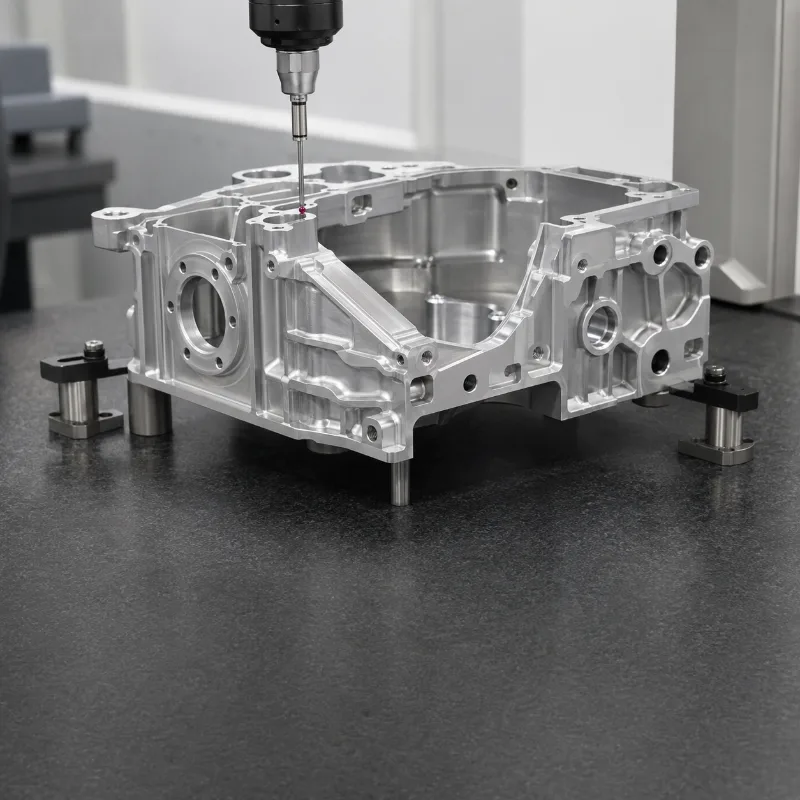

RapidDirect Anodizing (Type II) Services
Improve the appearance and corrosion resistance of metal parts with RapidDirect Anodizing (Type II), mainly available in clear and black finishes.
- Clear and black, glossy or matte finishes
- Typical coating thickness of 8–12 μm
- Corrosion protection and improved appearance
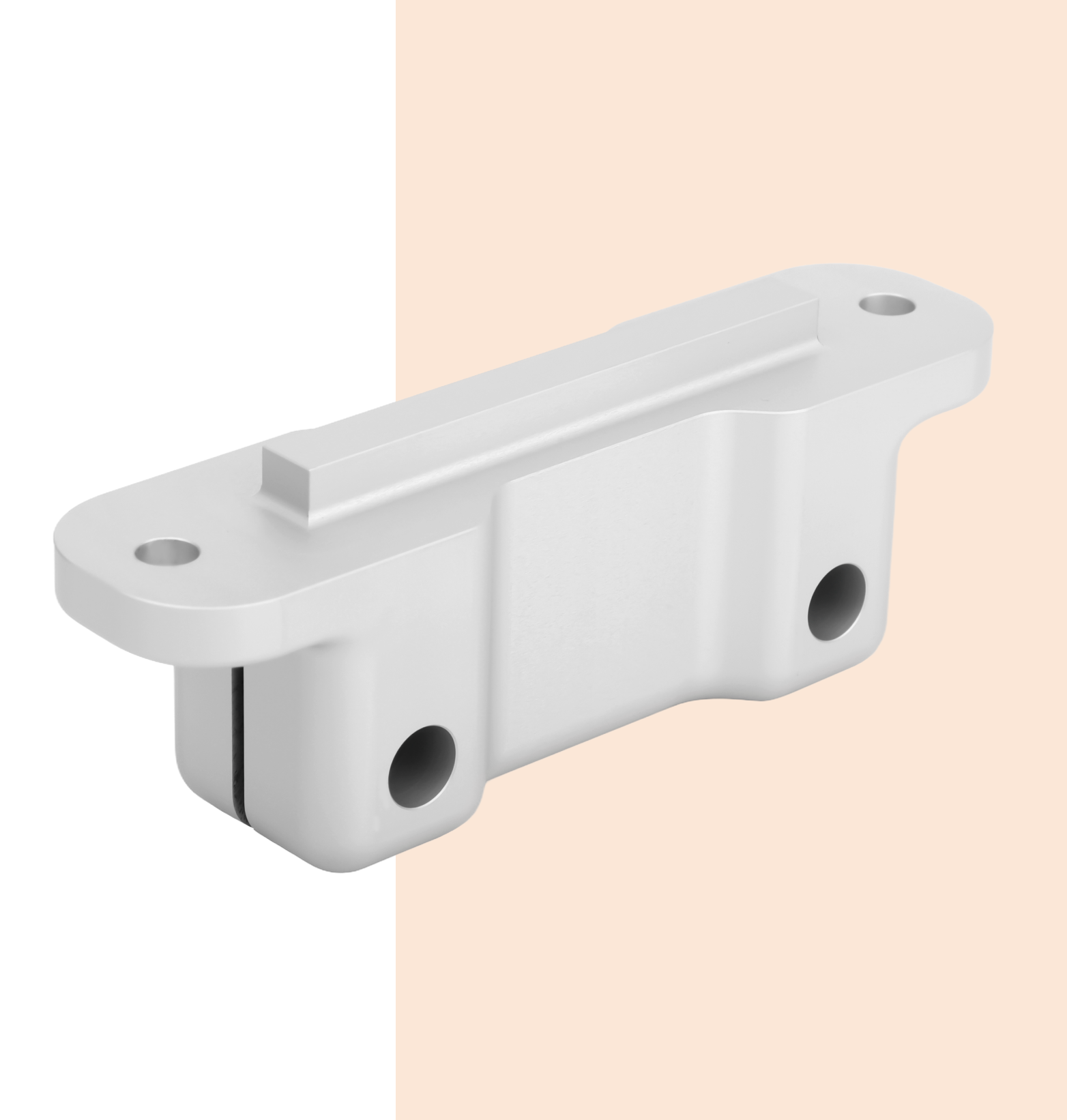
Anodizing (Type II) Overview
Anodizing (Type II) is an electrochemical process that forms a protective oxide layer on aluminum in a sulfuric acid bath. With a typical thickness of 8–12 μm, it offers a decorative finish and moderate corrosion protection.
- Corrosion resistance:
The oxide layer helps protect aluminum parts from corrosion.
- Appearance and color:
Clear and black finishes are available in glossy or matte. Specific RAL or Pantone colors are available upon request.
- Electrical insulation:
The anodized layer reduces electrical conductivity and makes parts easier to clean.
Anodizing (Type II) Specifications
| Color | Glossiness | Visual Appearance | Thickness |
|---|---|---|---|
| Clear | Glossy | Clear, glossy finish that enhances the natural metal appearance. | 8–12 μm |
| Clear | Matte | Clear, subdued and uniform appearance. | 8–12 μm |
| Black | Glossy | Deep, glossy black finish. | 8–12 μm |
| Black | Matte | Subdued, non-reflective and uniform black finish. | Black |
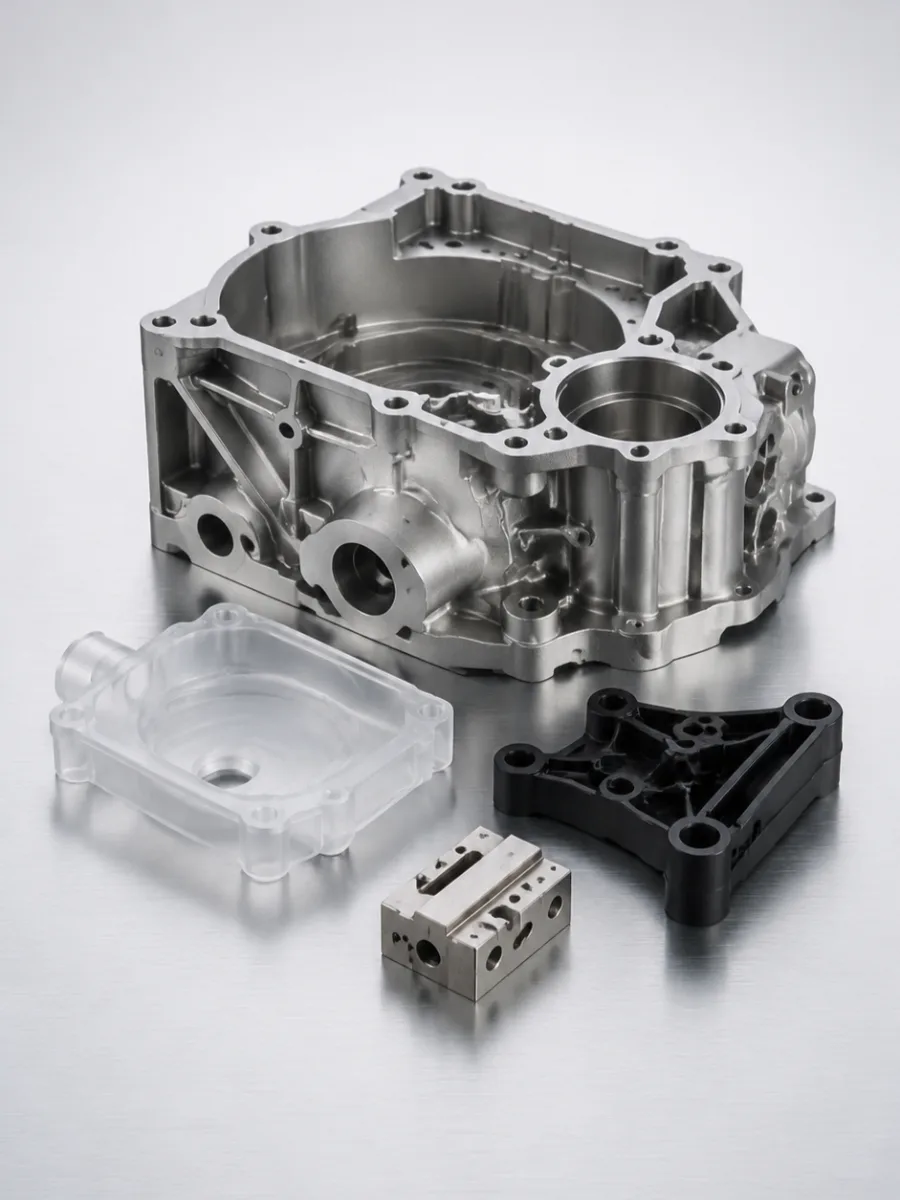
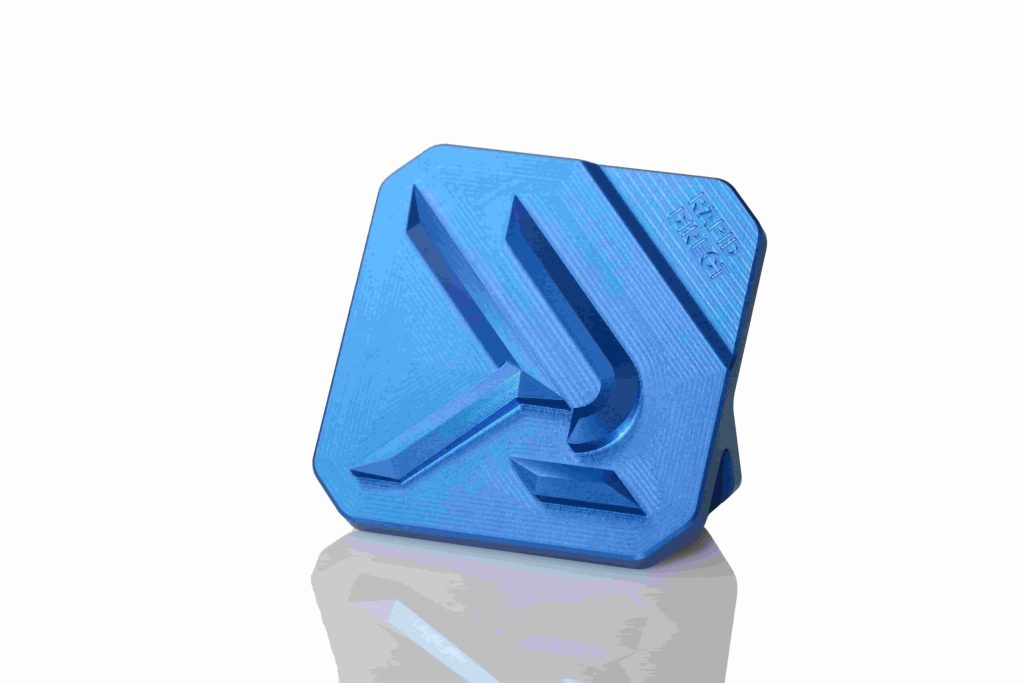
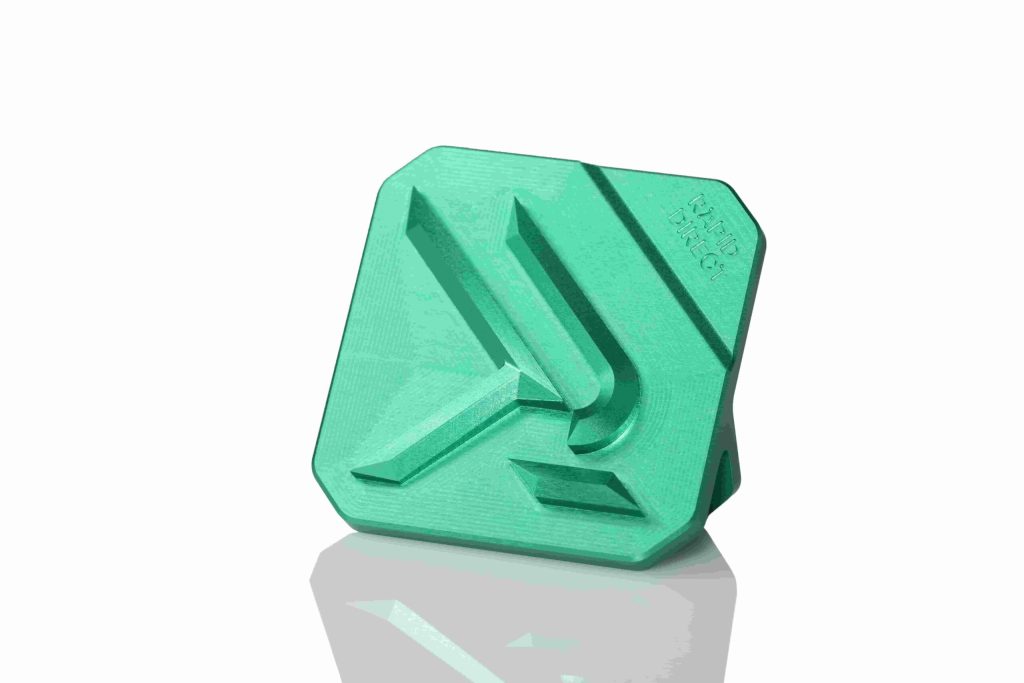
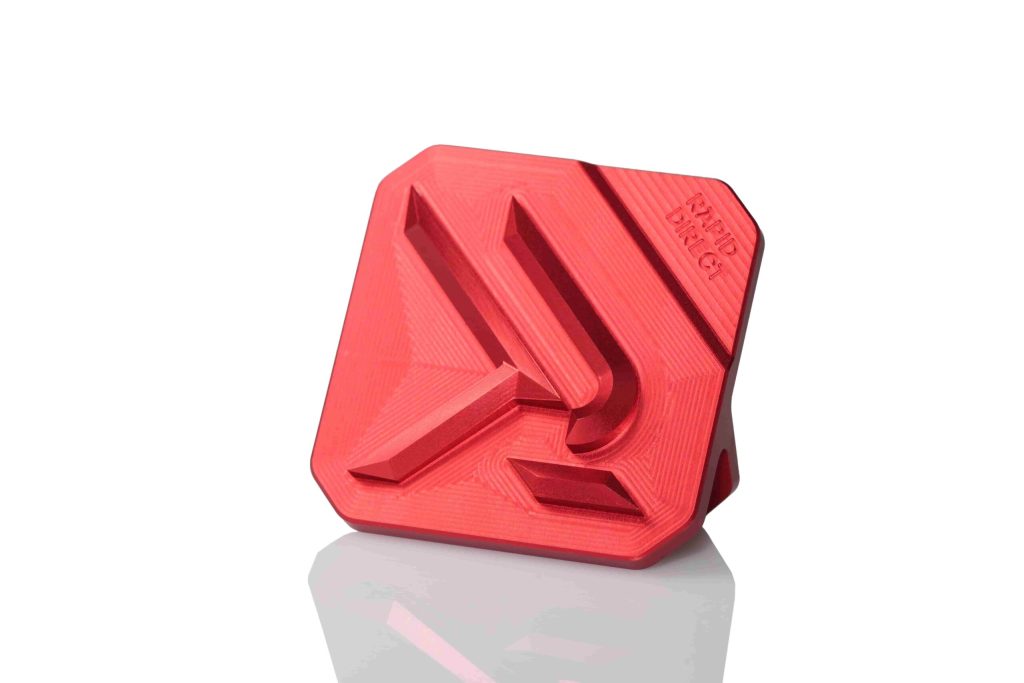
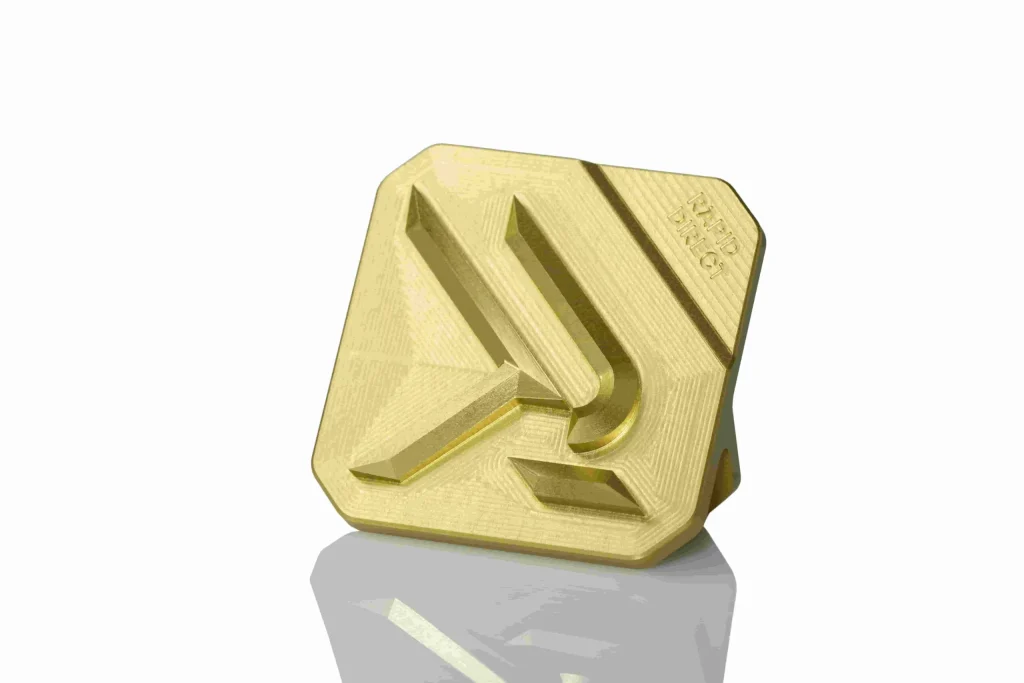
Anodized Aluminum Parts
Anodizing (Type II) FAQs
Find answers about Anodizing (Type II), finish options and project requirements.