
Passivation removes contaminants such as free iron and promotes a protective oxide layer on stainless steel. Electropolishing removes surface material electrochemically, smoothing the surface and helping improve corrosion resistance.
RapidDirect Electropolishing Services
Achieve a smooth, bright finish and enhanced corrosion resistance with our electropolishing services for metal parts.
- Smooth, bright surface finish
- Improved corrosion resistance
- Easier-to-clean surfaces
Electropolishing Overview
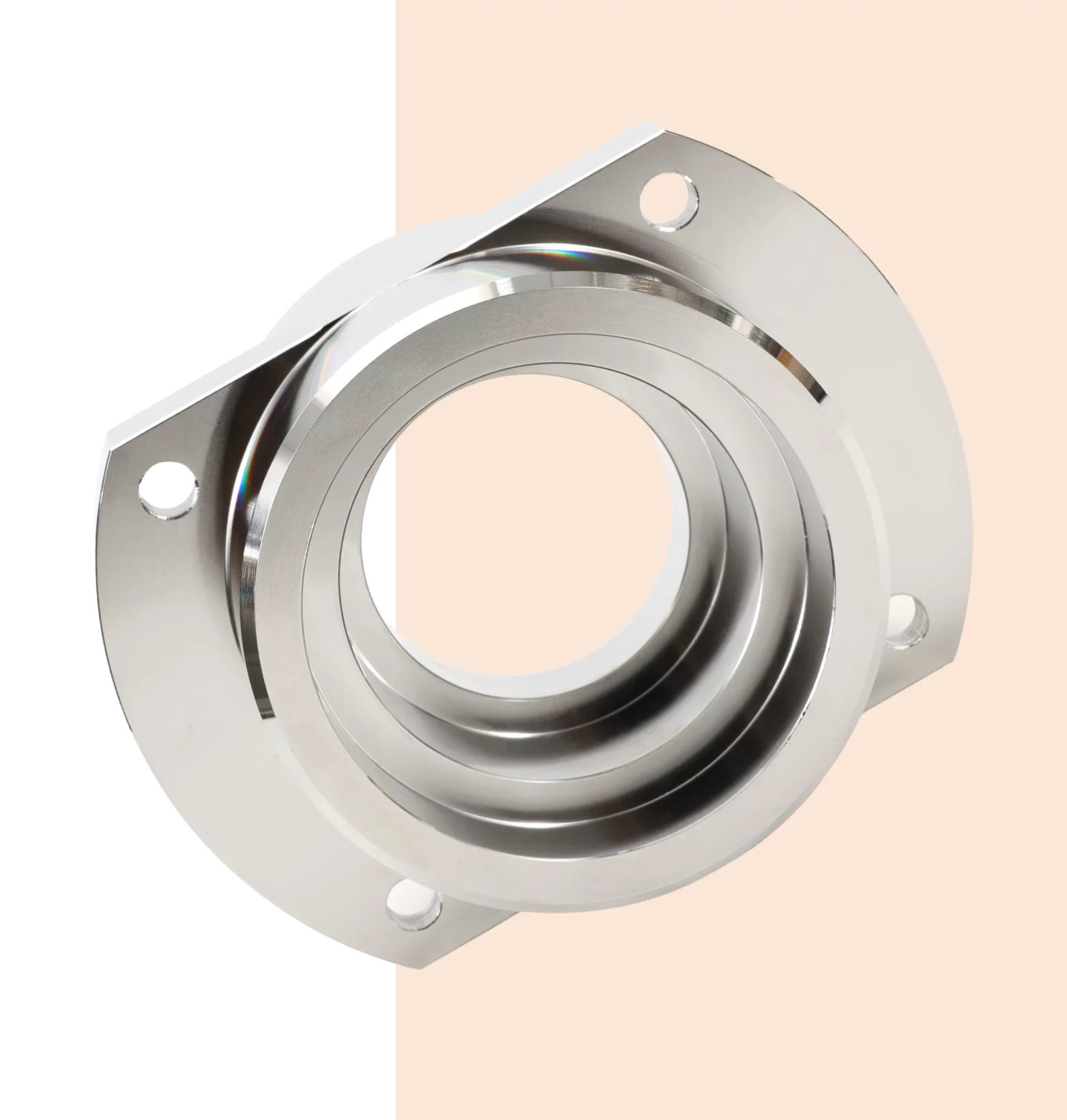
Electropolishing is an electrochemical finishing process that removes a thin layer of metal through anodic dissolution. It smooths and brightens the surface and can help remove fine burrs and surface contaminants. Used after machining, welding, or other manufacturing processes, it can improve surface cleanliness and corrosion resistance. The result depends on the material, part geometry, and starting surface.
- Smooth appearance:
Electropolishing produces a bright, smooth surface.
- Corrosion resistance:
Removing surface imperfections can help improve corrosion resistance.
- Surface cleanliness:
The process helps remove surface contaminants and creates a surface that is easier to clean.
- Fine deburring:
Electropolishing can help remove fine burrs from metal parts.
Electropolishing Specifications
| Property | Specification |
|---|---|
| Applicable Materials | Aluminum, stainless steel, titanium, copper, brass, carbon steel, nickel |
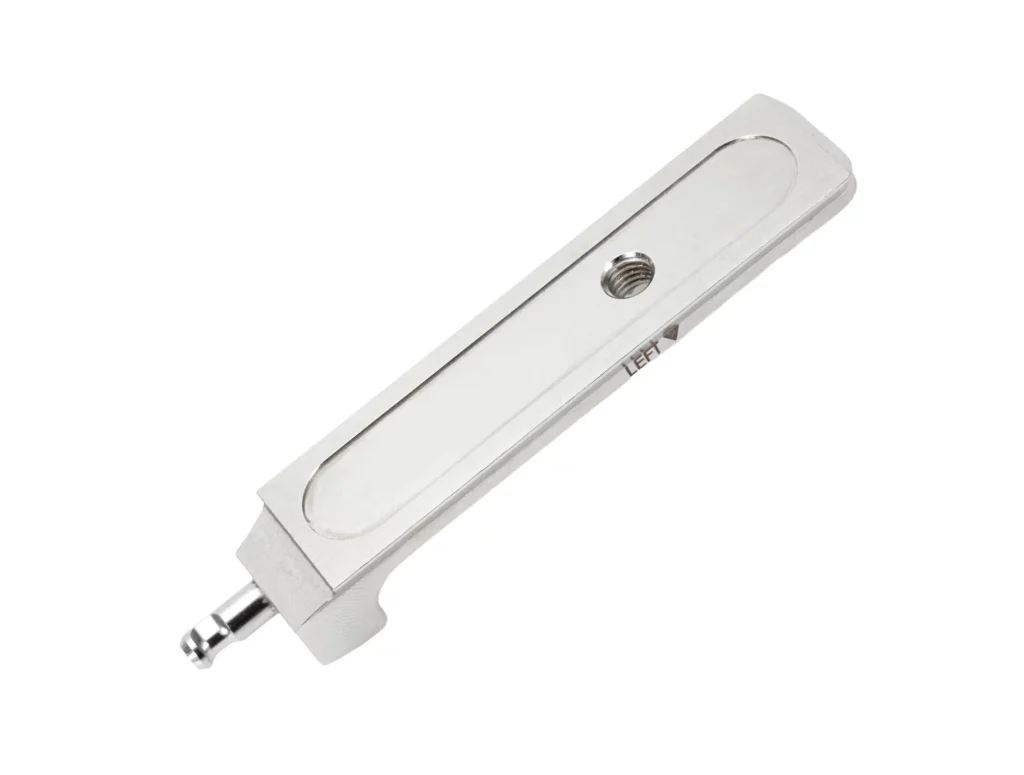
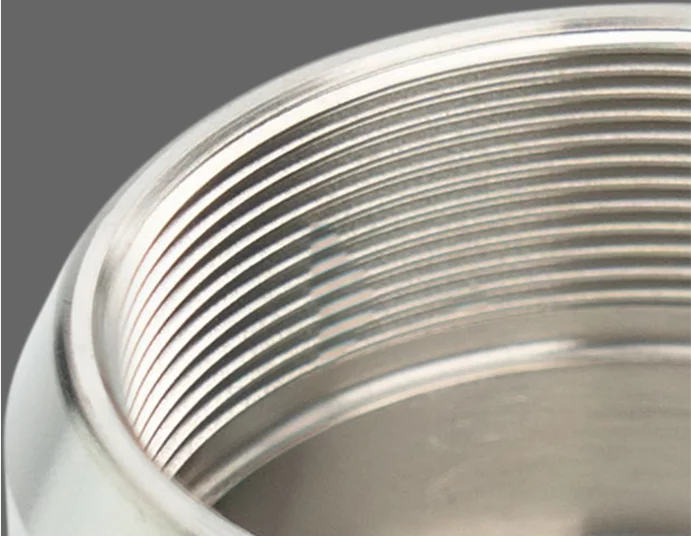
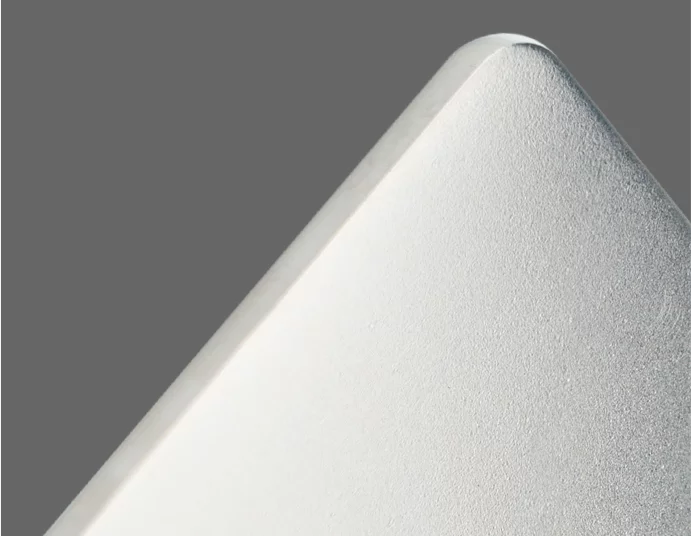
| Visual Appearance | Smooth, bright surface after removal of a thin layer of material |
| Applications | Medical instruments, aerospace components, pharmaceutical equipment, automotive parts, electronics, and semiconductor components |
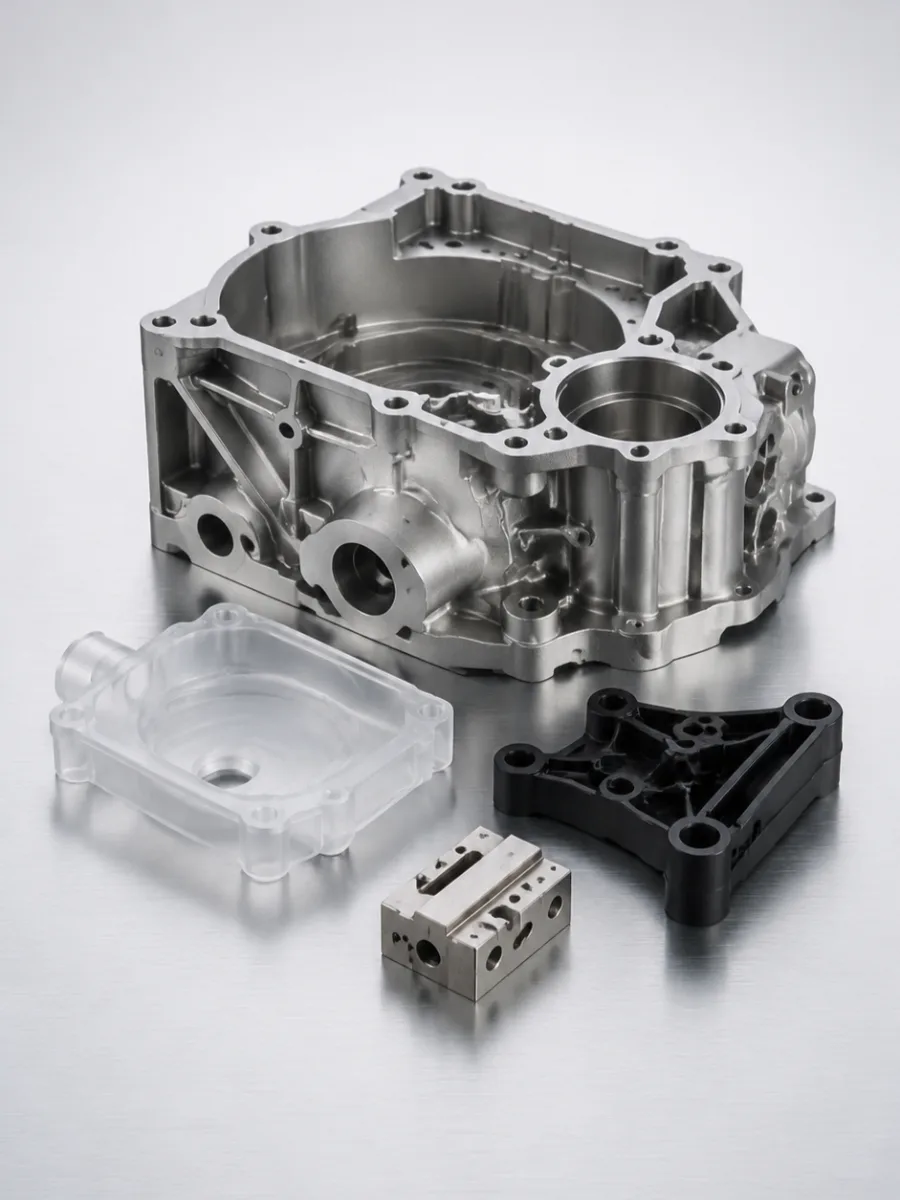
Electropolished Parts
Electropolishing FAQs
Find answers about electropolishing and project requirements.