
Aluminum 3D Printing Service
Our SLM aluminum 3D printing service delivers high‑strength, lightweight metal components from functional prototypes to low‑volume production. Available in AlSi10Mg-T6, AlSi7Mg-T6 and 6061 alloys.
- AlSi10Mg-T6, AlSi7Mg-T6, and modified 6061 powders
- Wall thickness from 0.8 mm, 0.5 mm functional minimum
- Build envelope 300 x 300 x 300 mm
Aluminum in 3D Printing
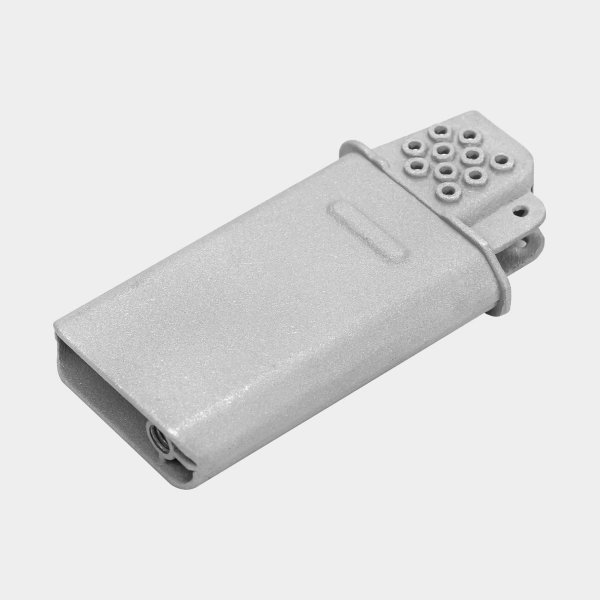
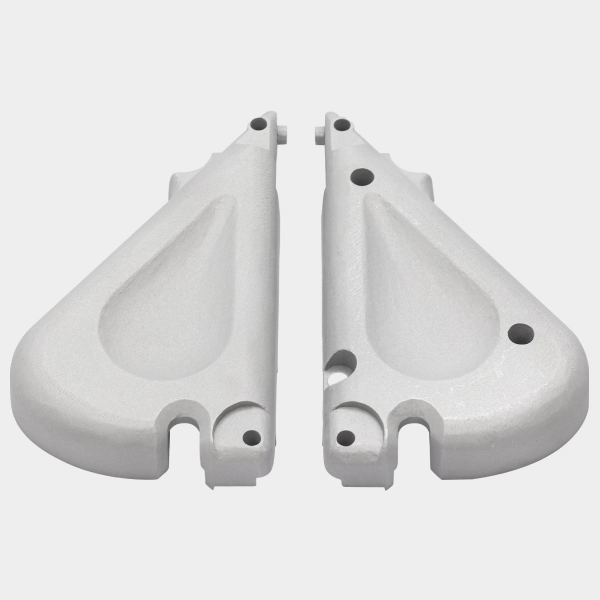
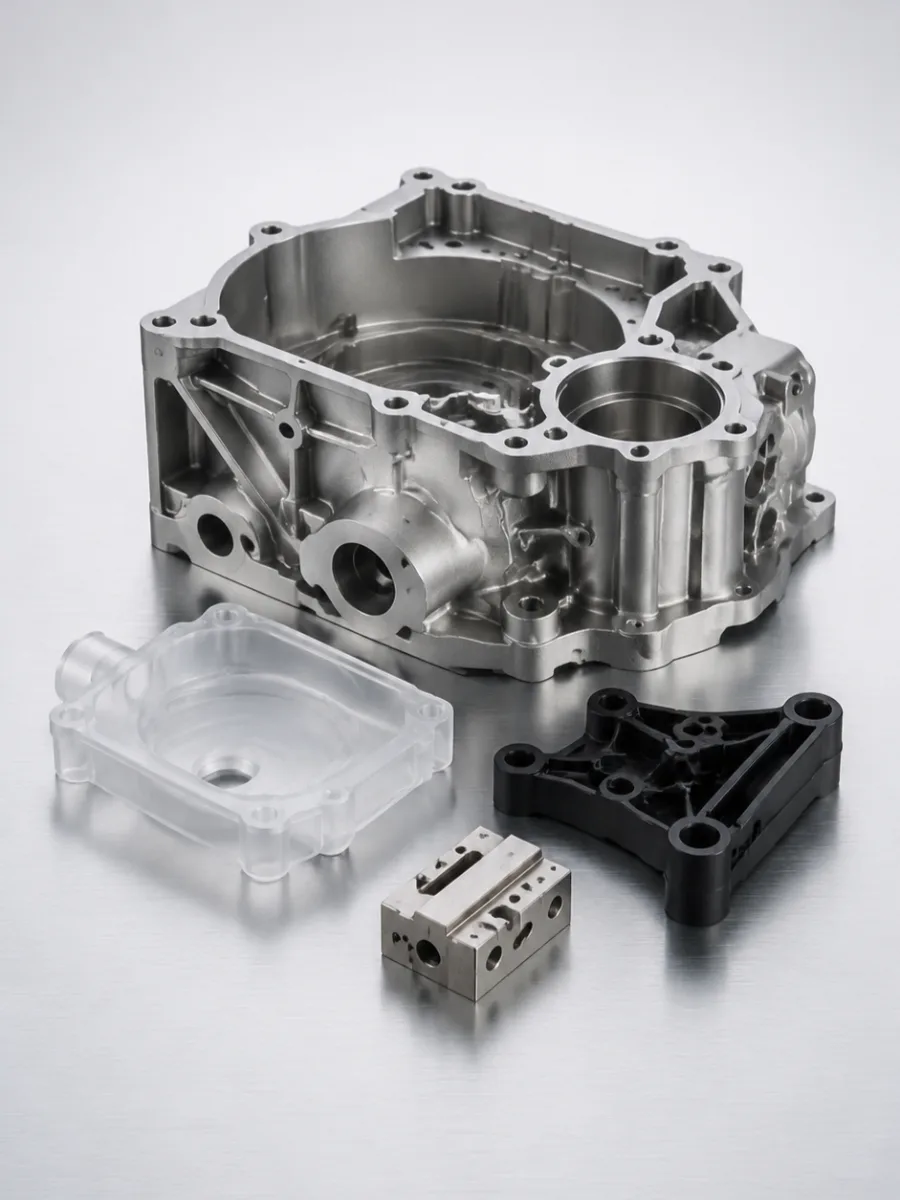
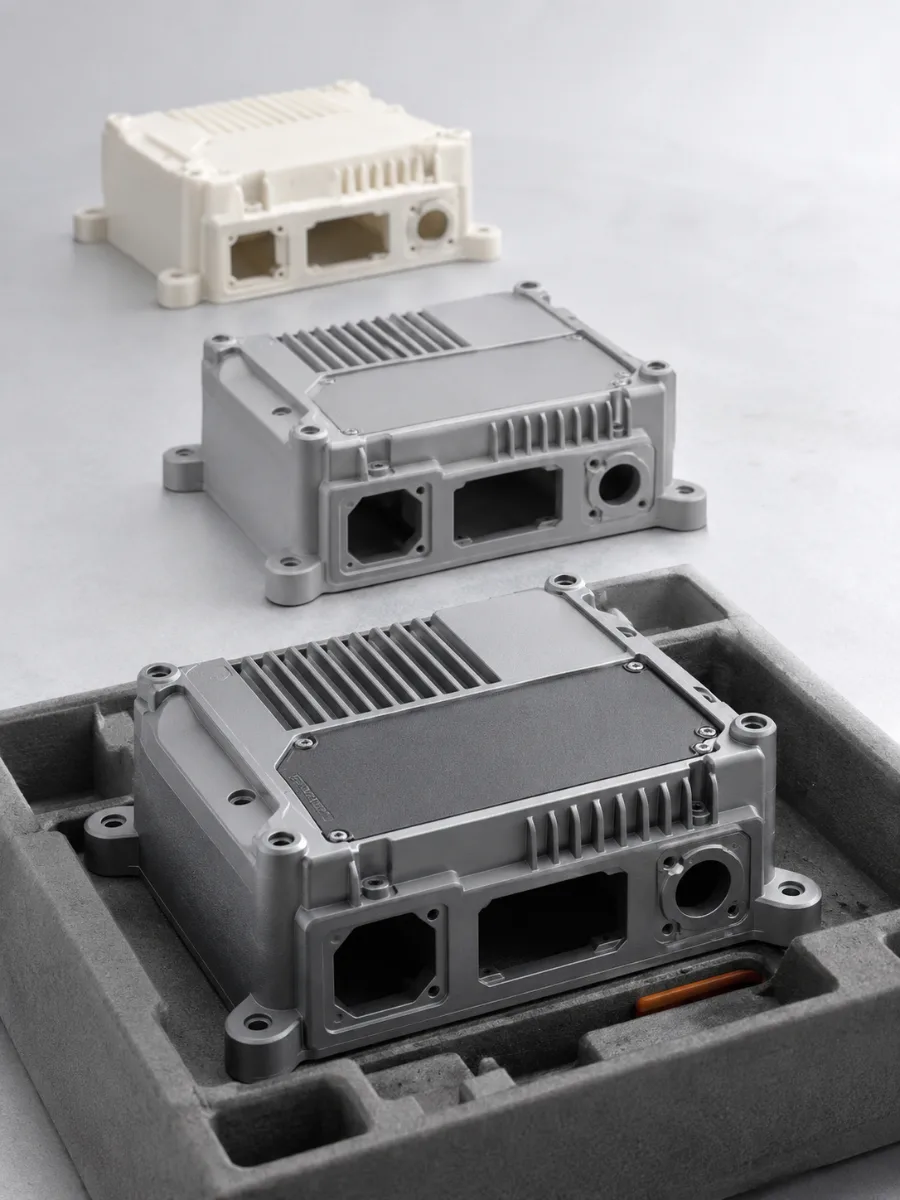
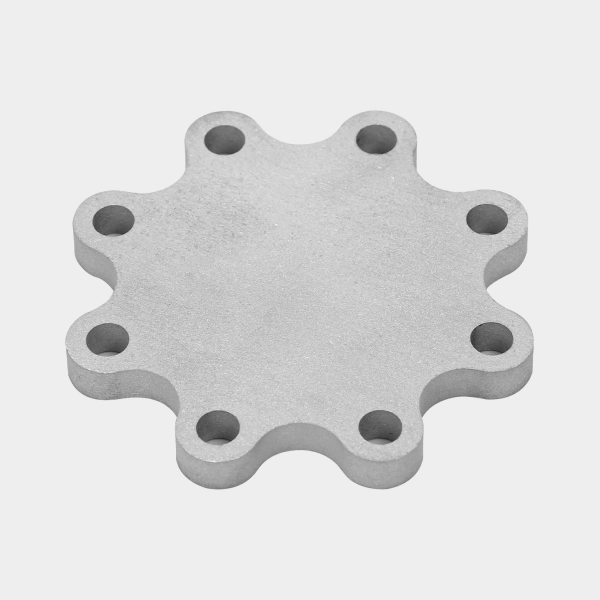
SLM aluminum produces high-strength, lightweight metal parts that would be impractical to mill, including conformal cooling channels and consolidated assemblies. AlSi10Mg-T6 is the workhorse alloy for strength and print stability, while AlSi7Mg-T6 adds ductility and fatigue resistance for cyclically loaded parts. As-built surfaces are rough and are usually finished by shot blasting, machining, or anodizing.
- High strength‑to‑weight ratio for lightweight structural components
- Excellent thermal conductivity, perfect for heat sink & thermal management parts
- Complex geometries enabled by SLM, reduce assembly count & material waste
- Good corrosion resistance (varies by alloy grade)
- Suitable for aerospace, automotive, electronics demanding lightweight performance
Selection note: Aluminum powder & SLM setup costs are relatively high Less economical for high‑volume mass production As‑built surface is rough; post‑processing (shot blast / CNC / anodizing) is often required 6061 for SLM has limited printability and higher risk on highly complex geometries Build envelope size limits maximum part dimensions; large parts may require split assembly, introducing potential weak points
Aluminum 3D Printing Capabilities
| Wall thickness | From 0.8 mm; 0.5 mm functional minimum |
|---|---|
| Tolerances | ISO2768-C; tighter with secondary CNC machining |
| Max part size | 300 x 300 x 300 mm |
| Materials | AlSi10Mg, AlSi7Mg, 6061 (modified powder) |
| Post-processing | Shot blasting, CNC machining, anodizing |
Compare Aluminum Grades
Compare the aluminum grades we machine most often. Values refer to the stated alloy condition; density is listed for reference.
AlSi10Mg-T6 Aluminum
AlSi10Mg-T6 is RapidDirect’s workhorse aluminum-silicon-magnesium alloy for SLM 3D printing. In the T6 condition it offers higher yield strength and print stability than AlSi7Mg-T6 for lightweight, complex metal components.
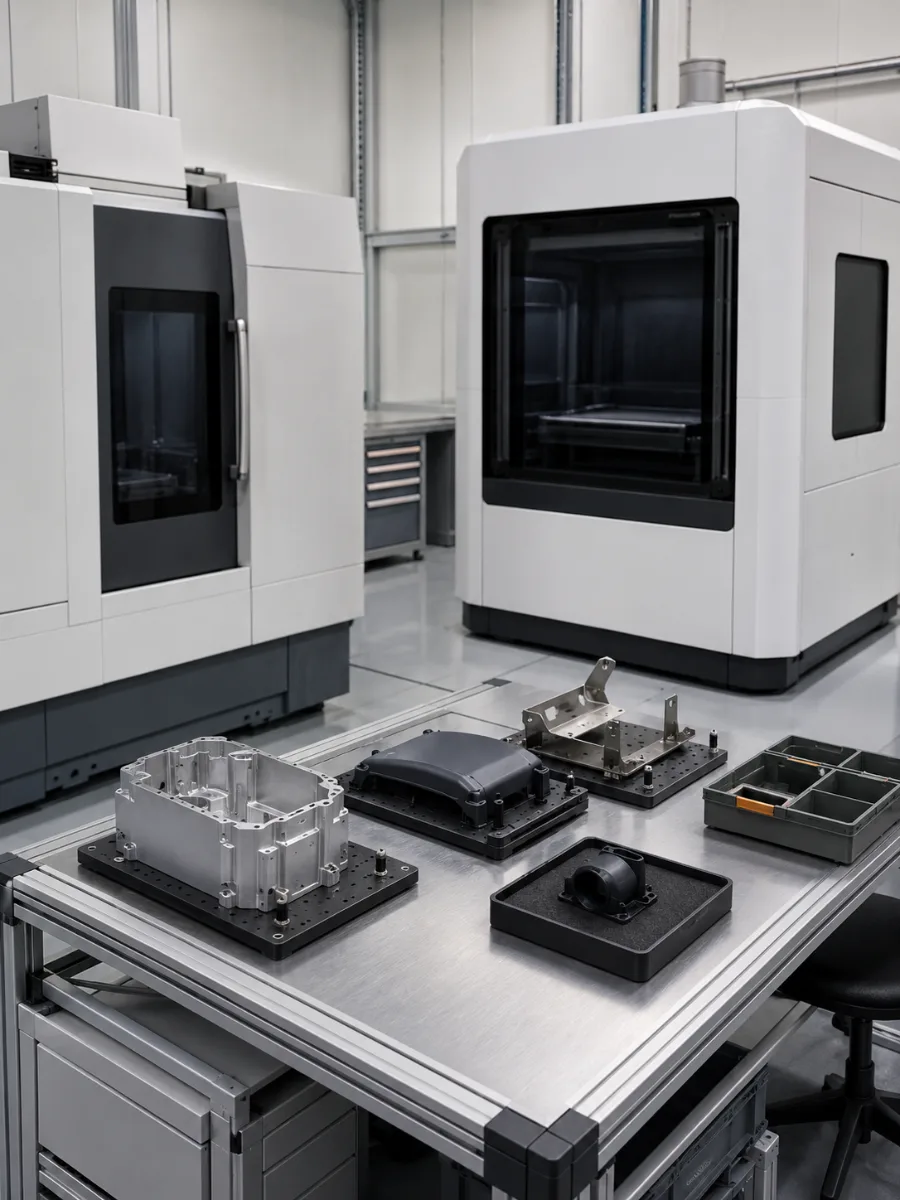
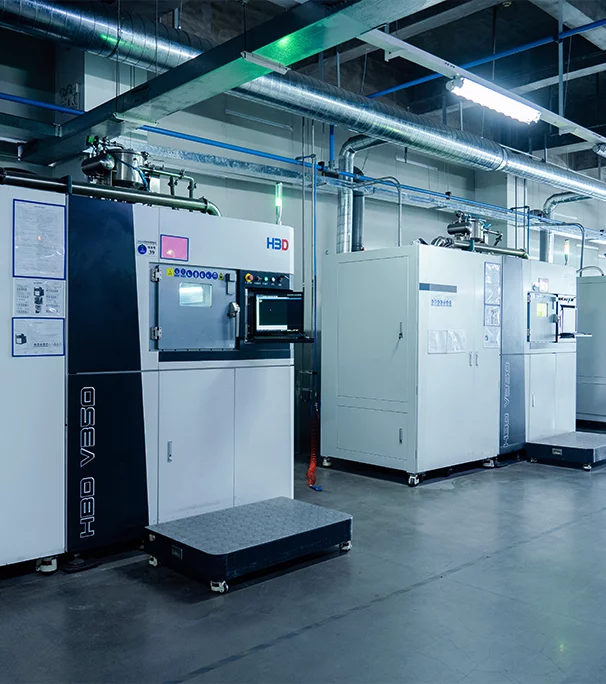
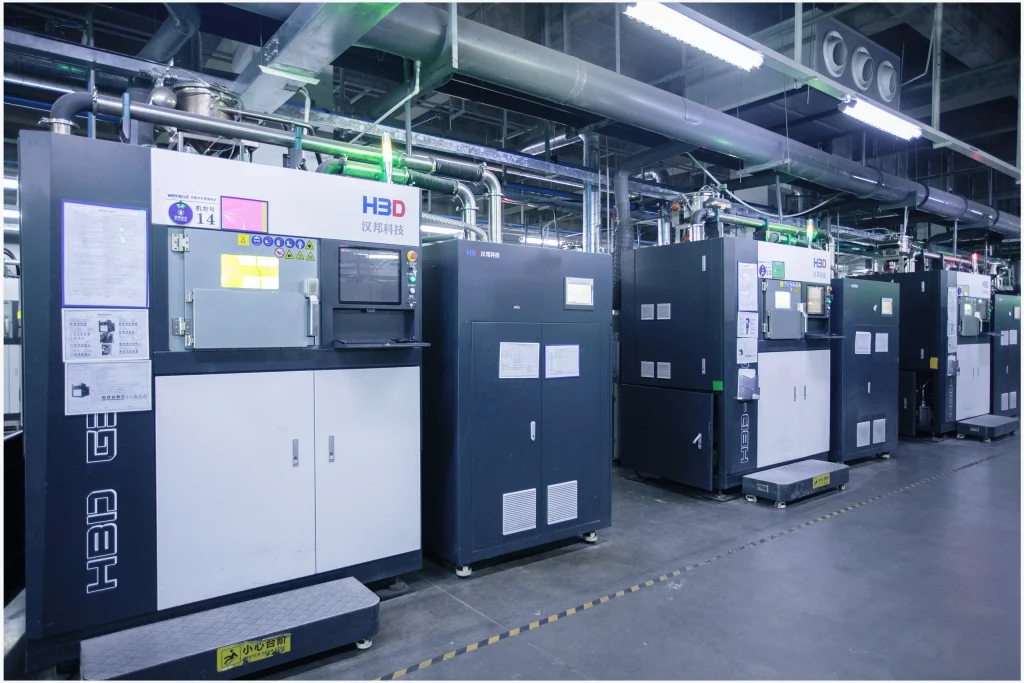
View materialAluminum Manufacturing Facilities
Aluminum Parts & Applications