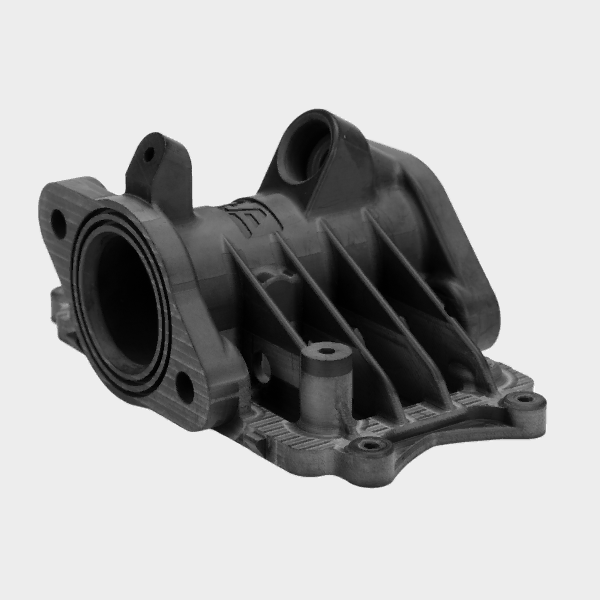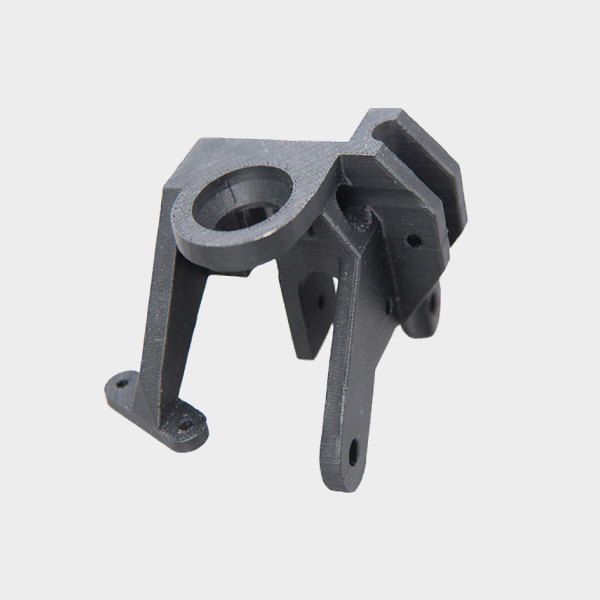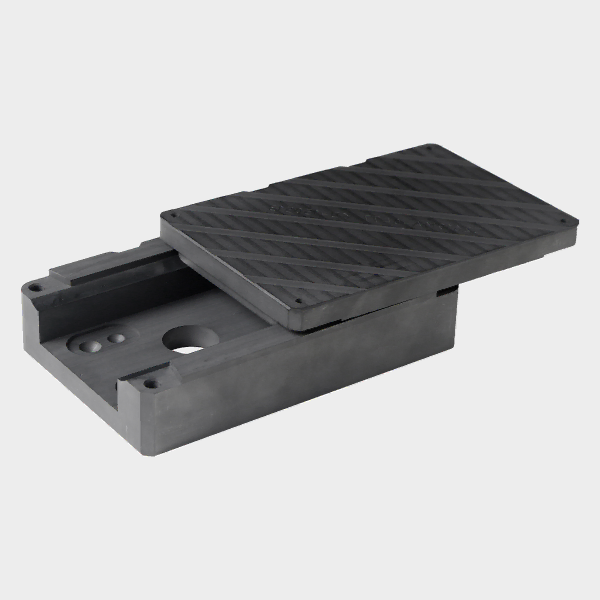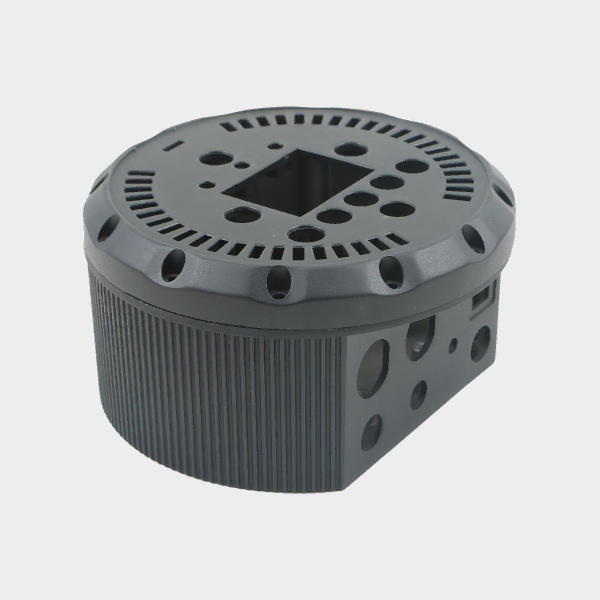
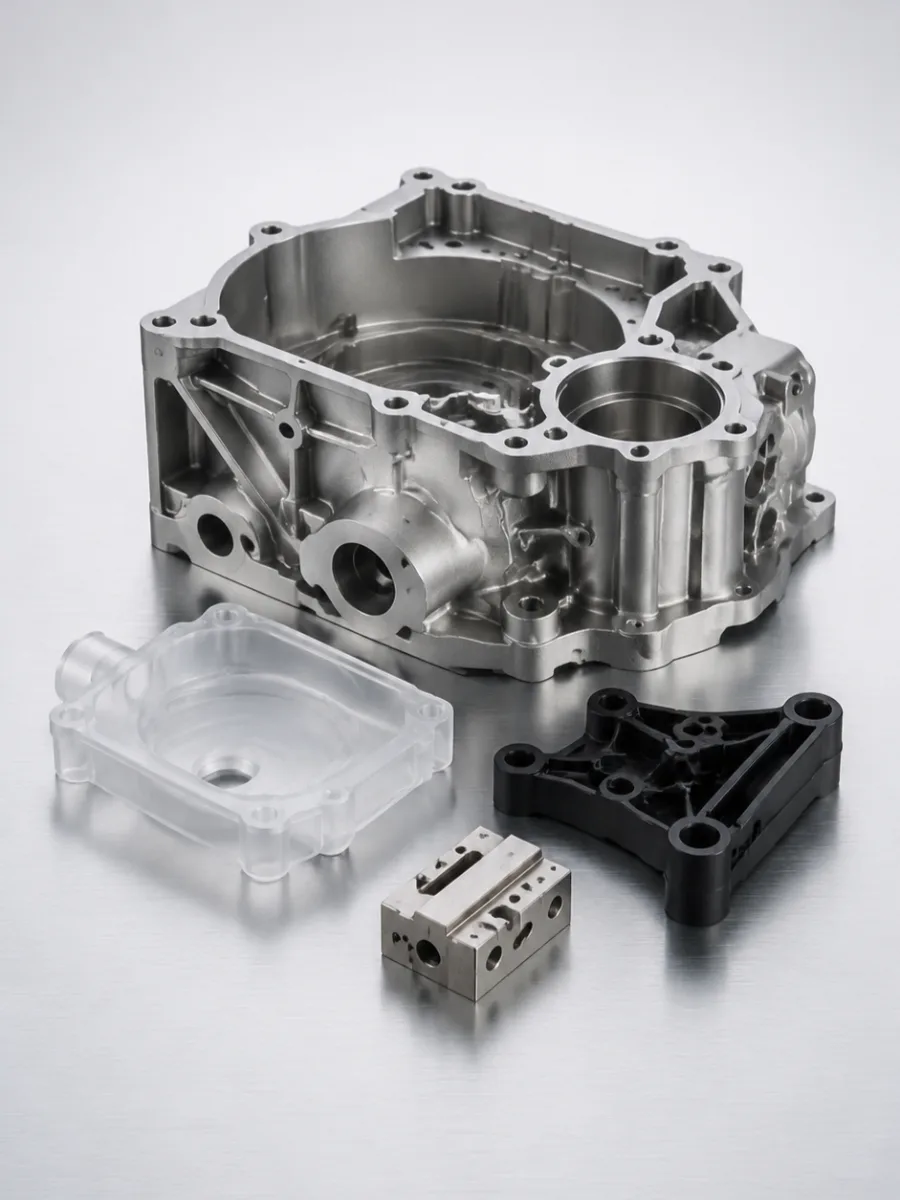
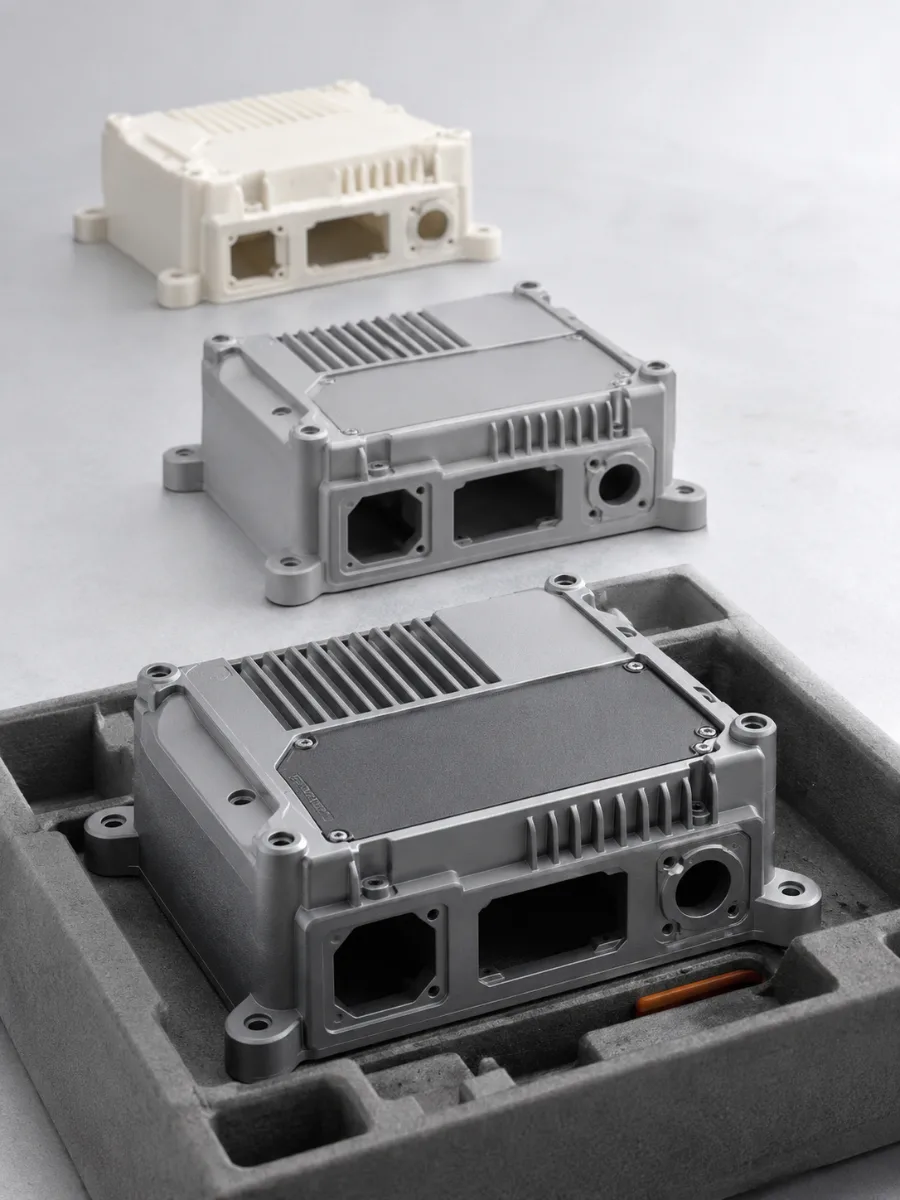
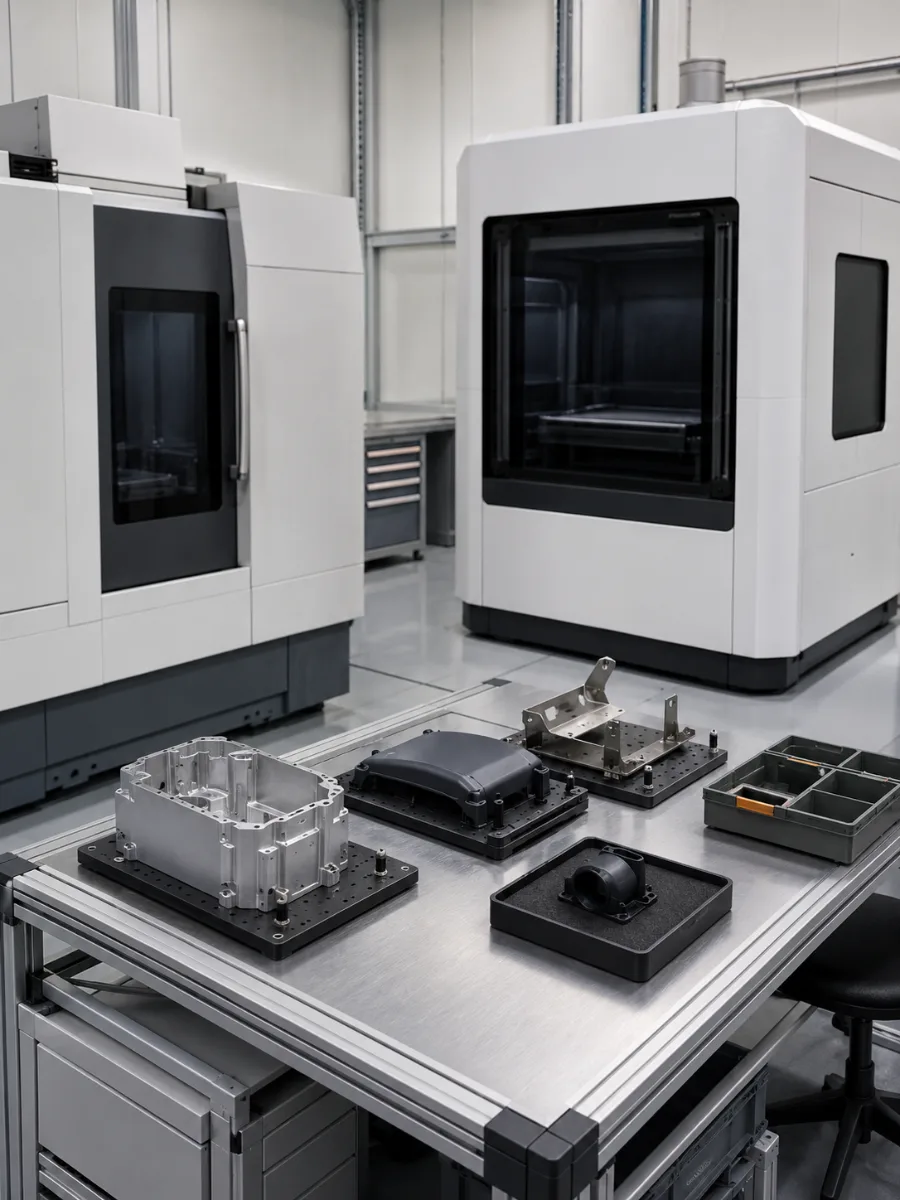
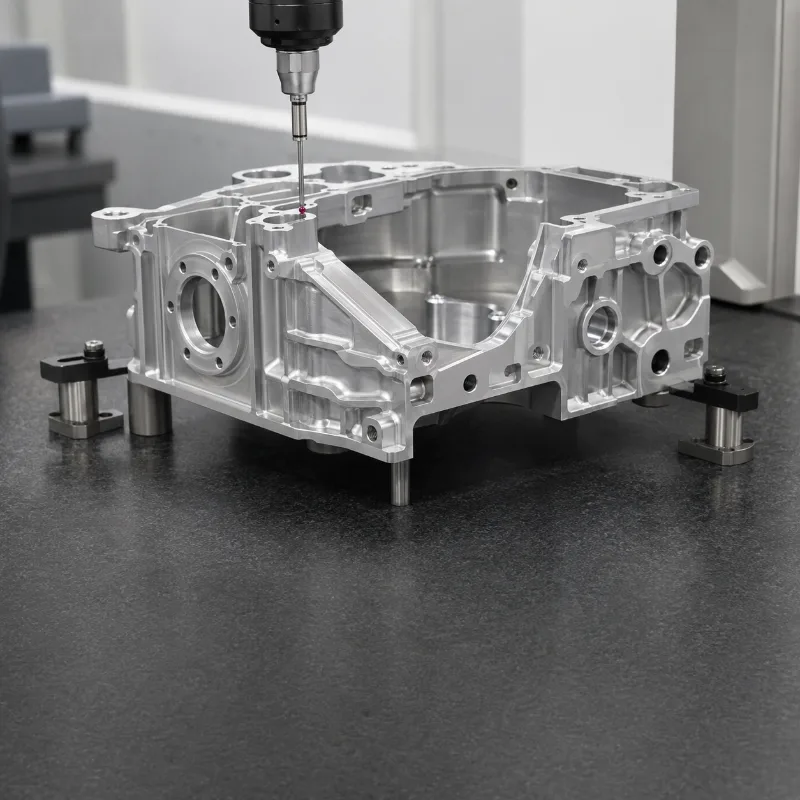

ABS plastic can be effectively machined using CNC technology. Its machinability makes it a popular choice for creating detailed and precise ABS parts, and the material can be shaped and finished without compromising its structural integrity.
Custom ABS CNC Machining Service
Get custom CNC machined ABS parts with fast turnaround times and competitive pricing. Choose from a range of ABS grades and surface finishes for prototypes and production parts built to your drawing.
- Tolerances to ±0.005 in (±0.125 mm)
- Parts up to 1200 x 500 x 150 mm
- Prototypes and low-to-medium volume production
ABS in CNC Machining
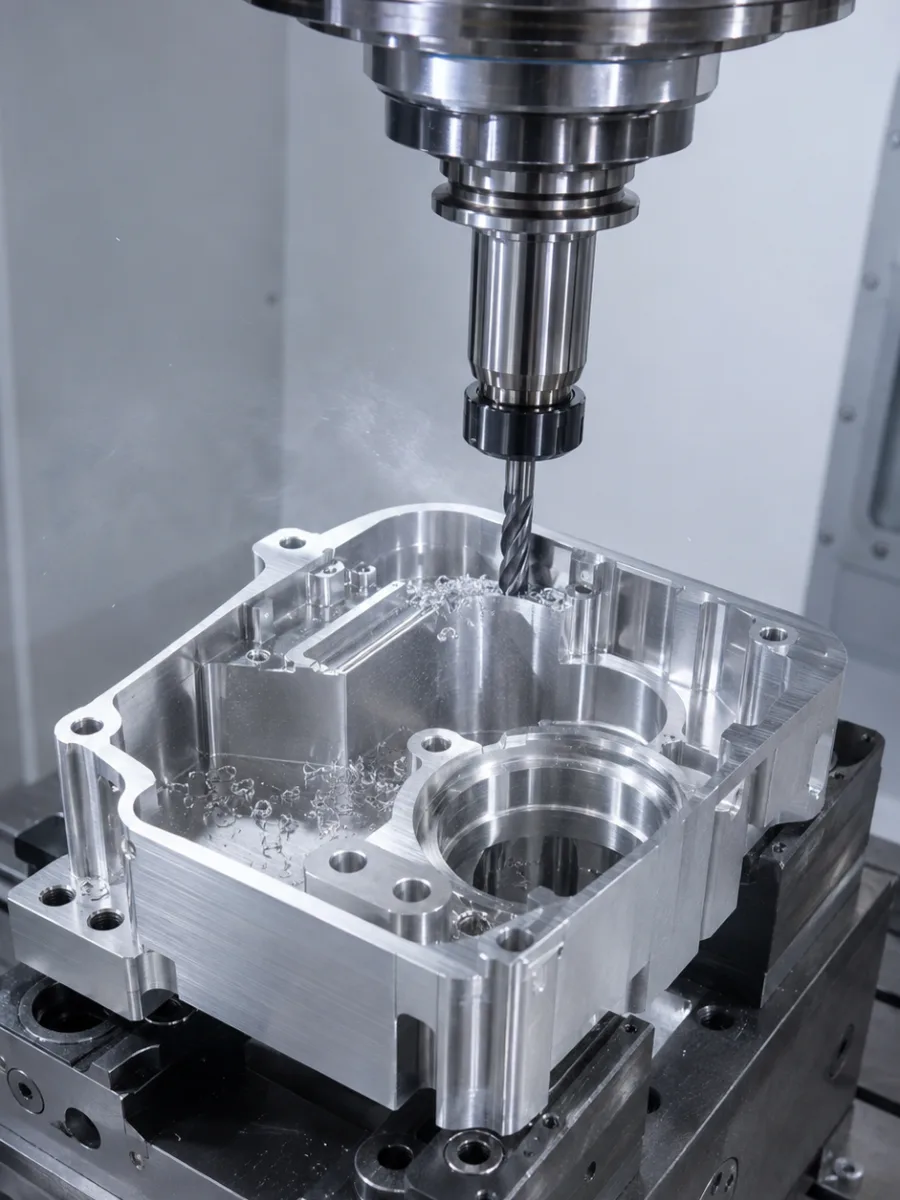
ABS is a versatile thermoplastic polymer with a strong balance of properties. It offers high impact resistance, toughness, and good machinability, and it absorbs physical impacts without cracking, which makes it a practical choice for functional and aesthetic machined parts. It is available in natural, black, antistatic, and milky white grades, among others.
- Excellent machinability: ABS machines easily with precise cuts and fine detail.
- High impact resistance: It withstands significant mechanical stress without breaking.
- Cost-effective: ABS is relatively inexpensive, which suits both prototyping and production.
- Good dimensional stability: It holds its shape and dimensions under varying environmental conditions.
- Versatile applications: Suitable for consumer products through to industrial components.
Selection note: ABS has limited heat resistance and can deform in high-temperature service, poor UV resistance that causes discoloration outdoors, and only moderate chemical resistance.
ABS CNC Machining Capabilities
| Wall thickness | Minimum 0.8 mm |
|---|---|
| Tolerances | ±0.005 in (±0.125 mm) |
| Max part size | 1200 x 500 x 150 mm |
| Available grades | Beige (natural), black, black antistatic, milky white |
ABS Material Specifications
Mechanical Properties
| Tensile strength, yield | 40 MPa |
|---|---|
| Elongation at break | 10 % |
| Hardness | 109 Rockwell R |
Physical Properties
| Density | 1.04 g/cm³ |
|---|---|
| Heat deflection temperature | 95 °C |
| Glass transition temperature | 108 - 109 °C |
| Melting temperature | 170 - 320 °C |
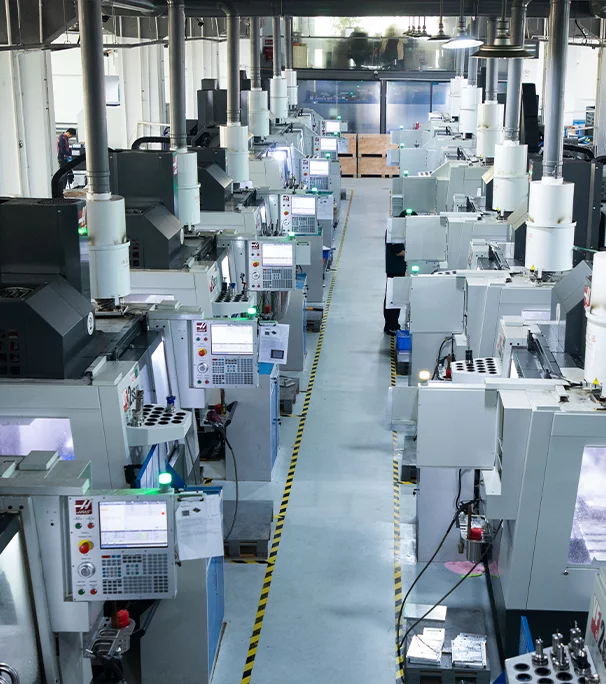
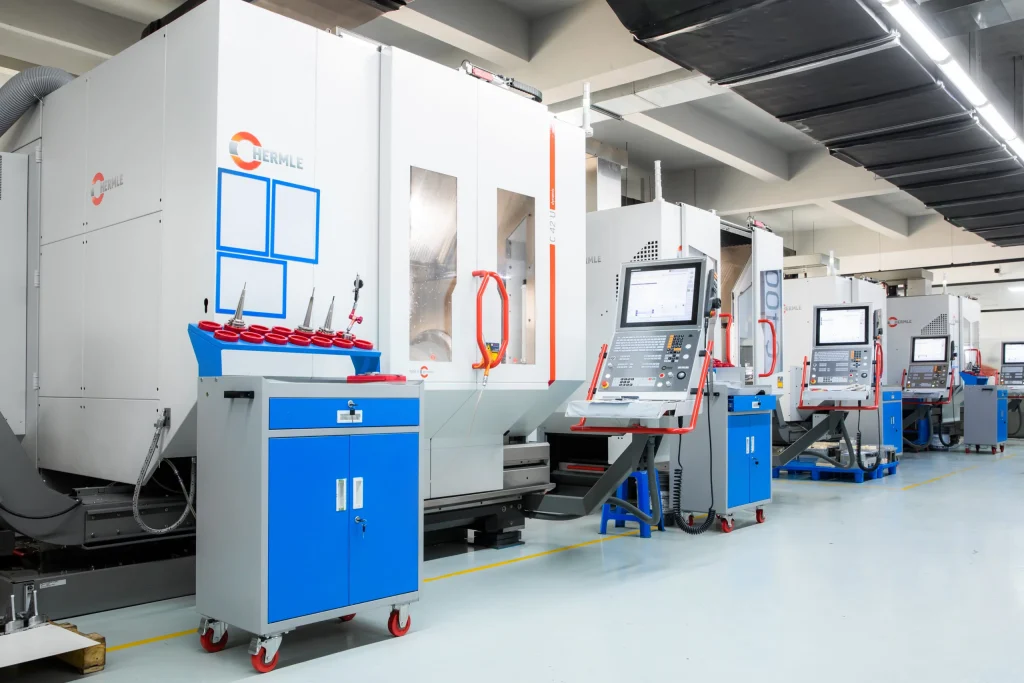
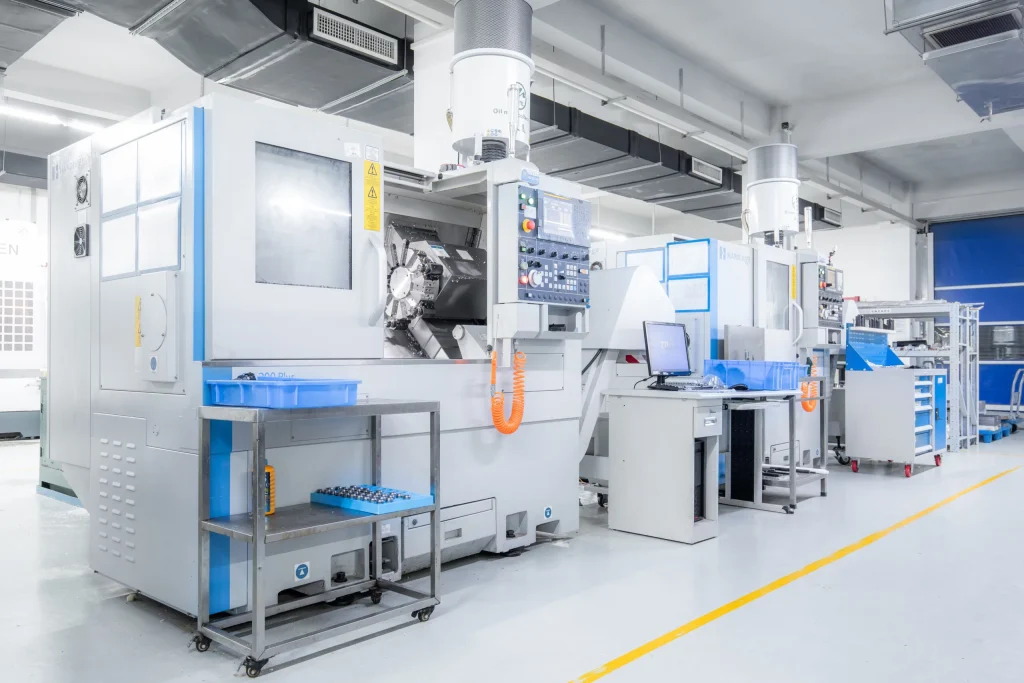
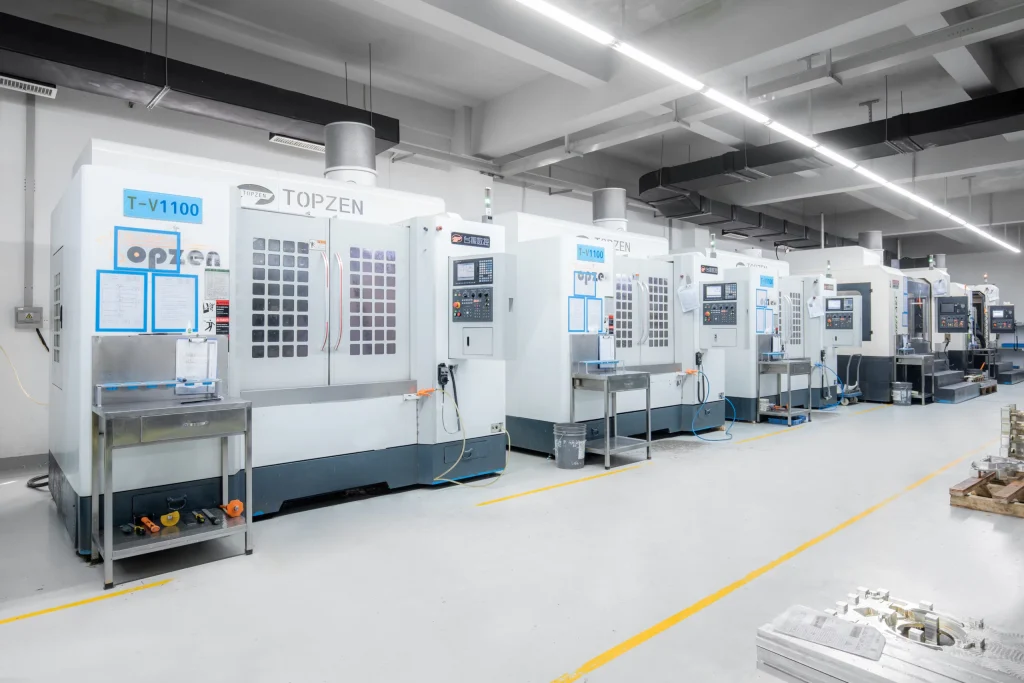
ABS Manufacturing Facilities
ABS Parts & Applications