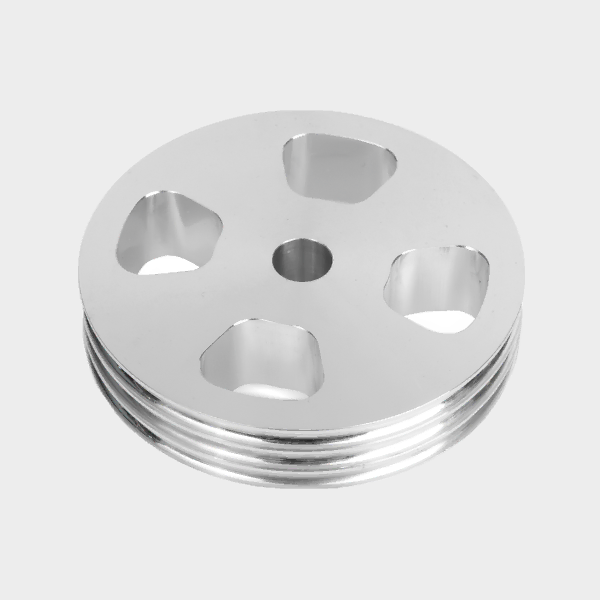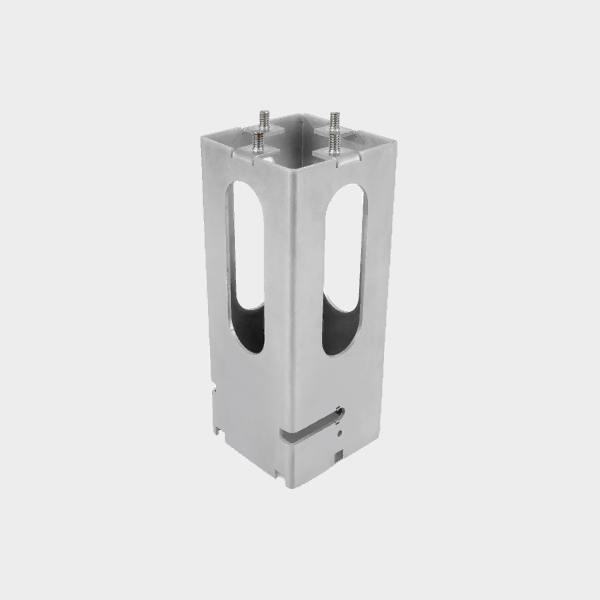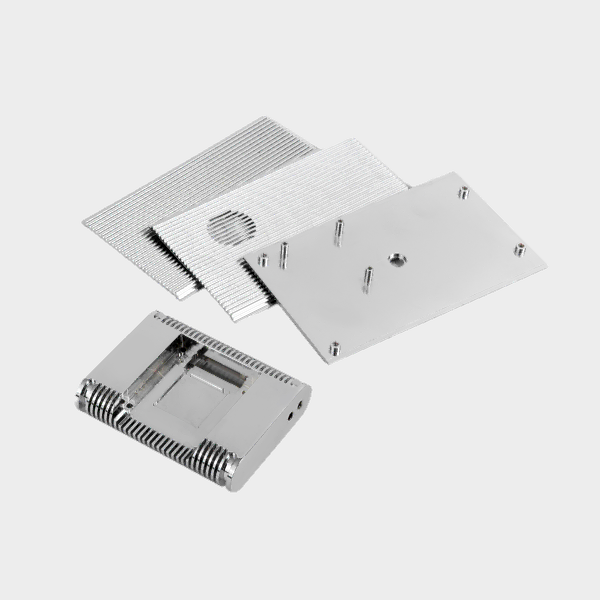
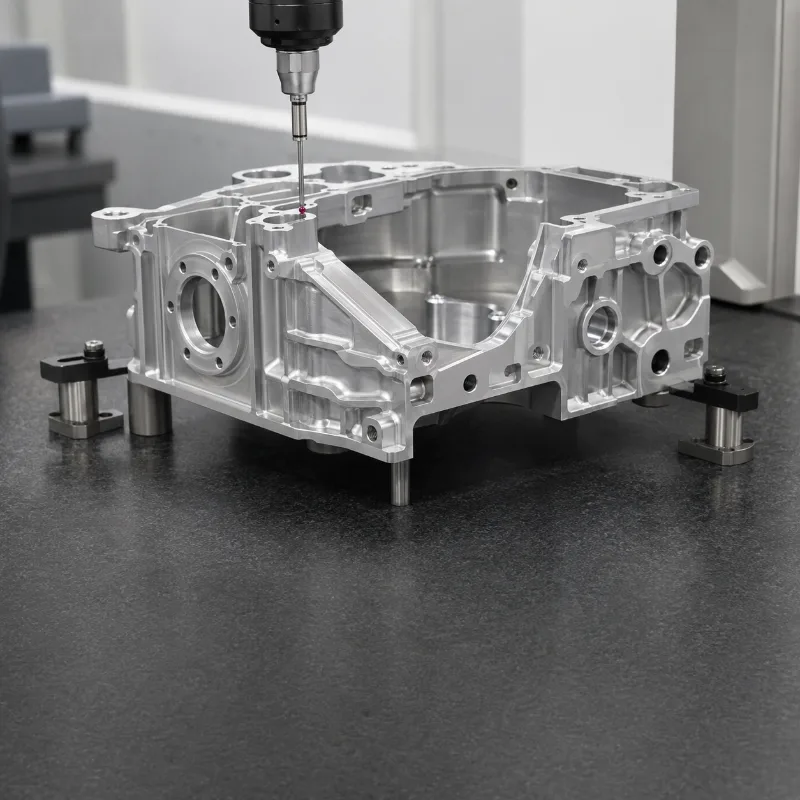

Aluminum 6061 is the most widely used aluminum alloy for machining due to its excellent physical, chemical, and mechanical properties. It is lightweight, offers exceptional workability, and is highly corrosion-resistant. Additionally, it is easy to weld and machine, making it ideal for various manufacturing processes.
Aluminum CNC Machining Service
Get custom aluminum CNC machined parts with fast turnaround times and competitive pricing. Gain access to several types of aluminum materials and surface finishes for high-quality prototypes and production parts.
- Tolerances to ±0.125 mm (±0.005 in)
- Wall thickness from 0.75 mm
- Part envelope up to 2000 x 800 x 1000 mm
Aluminum in CNC Machining
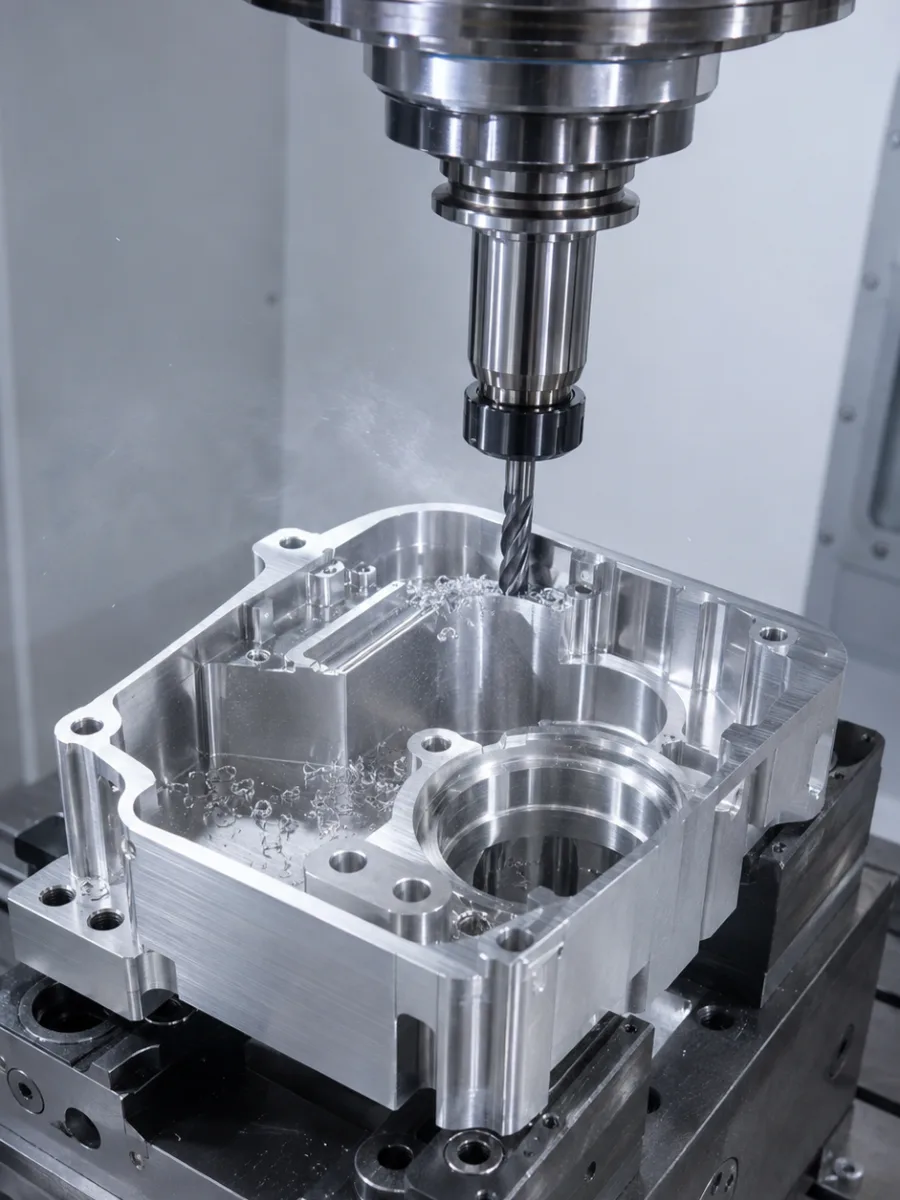
In CNC machining, raw aluminum is gradually cut down to form the desired shape, a process controlled with precision by a CNC machine to produce almost any three-dimensional object. Aluminum alloys offer high machinability, ductility, and an excellent strength-to-weight ratio. They also possess high thermal and electrical conductivity, low density, and natural corrosion resistance, and they can be anodized for added protection. The strength-to-weight ratio of aluminum makes it perfect for applications requiring metallic strength without excessive mass. Custom aluminum machining is an excellent choice for precise and versatile machining needs.
- Lightweight: Aluminum is among the lightest metals, with just over 2.7 g/cm³ density. This makes it ideal for applications in transportation and other industries where weight is a vital factor.
- Corrosion Resistance: Aluminum naturally resists corrosion, which helps prevent oxidation. Combined with various coatings and finishes, this property ensures that aluminum CNC parts are durable and long-lasting.
- Conductivity: Aluminum is an excellent conductor of heat and electricity. This makes it ideal for many applications, similar to copper and other similar conductive materials.
- High Machinability: Aluminum is popular because it is easy to machine. It can be easily shaped, drilled, and folded, allowing for the creation of complex shapes.
- High-Temperature Resistance: Unlike some materials, aluminum maintains its properties at low temperatures, offering more flexibility in the machining process.
Selection note: Lower hardness can cause tool marks and chatter, the material scratches more easily than steel, and it costs more per kilogram than mild steel. Wrought alloys also lose strength at elevated temperature.
Aluminum CNC Machining Capabilities
| Wall thickness | From 0.75 mm |
|---|---|
| Tolerances | ±0.125 mm (±0.005 in) |
| Max part size | 2000 x 800 x 1000 mm |
| Available grades | 6061, 6061-T6, 2024, 5052, 5083, 6063, 6082, 7075, 7075-T6, ADC12 (A380) |
Compare Aluminum Grades
Compare the aluminum grades we machine most often. Values refer to the stated alloy condition; density is listed for reference.
| Material & condition | Key characteristics | Tensile strength, yieldMPa | Fatigue strengthMPa | Elongation at break% | HardnessBrinell | Densityg/cm³ | Material data |
|---|---|---|---|---|---|---|---|
| 6061 Aluminum | 276 | 96 | 17 | 95 | 2.70 | View data | |
| 7075 Aluminum | 503 | 160 | 11 | 150 | 2.81 | View data | |
| 2024 Aluminum | 325 | 140 | 20 | 120 | 2.78 | View data | |
| 5052 Aluminum | 193 | 115 | 12 | 60 | 2.68 | View data | |
| 5083 Aluminum | 275 | 125 | 12 | 75 | 2.66 | View data | |
| 6063 Aluminum | 214 | 65 | 12 | 73 | 2.70 | View data | |
| 6082 Aluminum | 260 | 97 | 10 - 12 | 95 | 2.70 | View data |
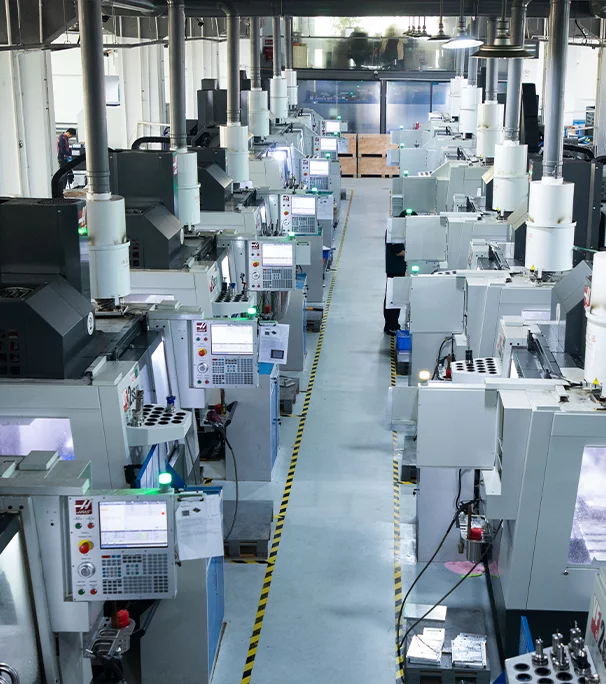
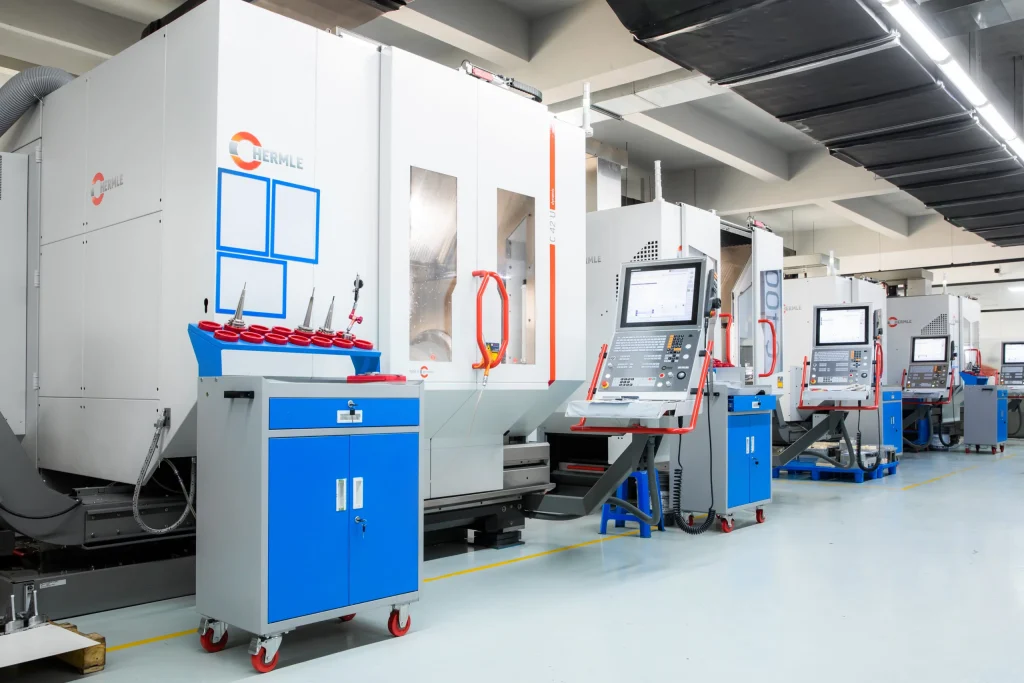
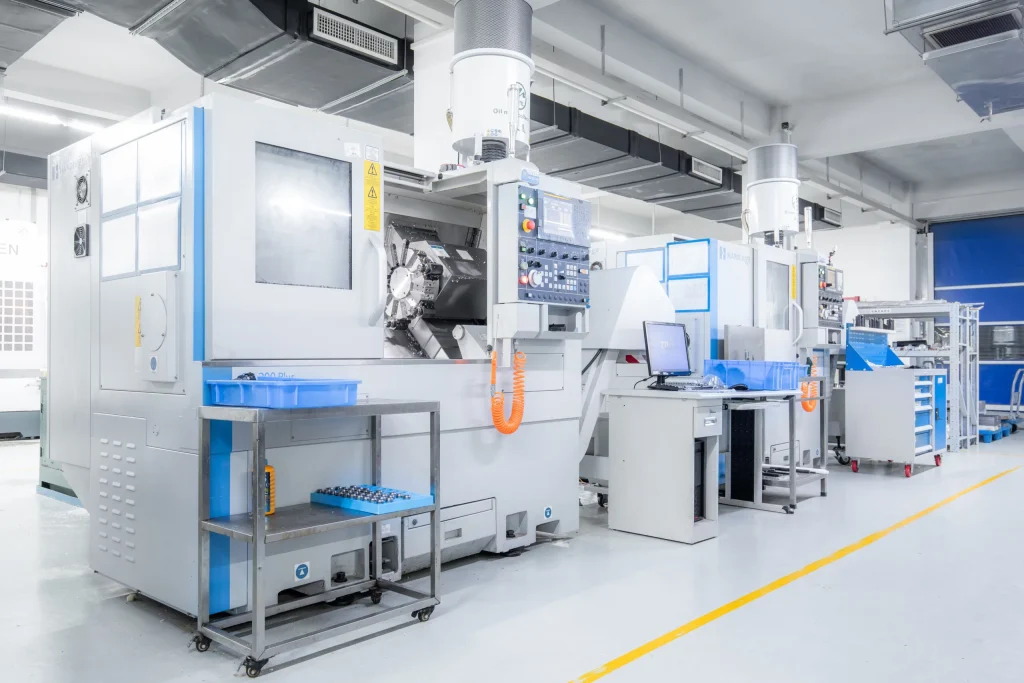
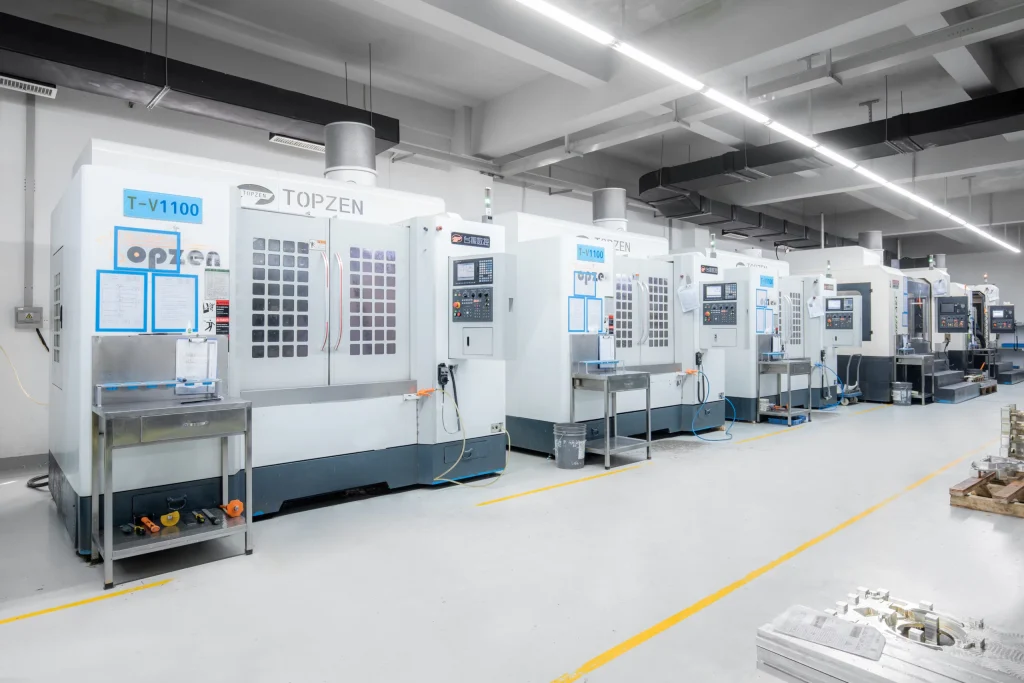
Aluminum Manufacturing Facilities
Aluminum Parts & Applications