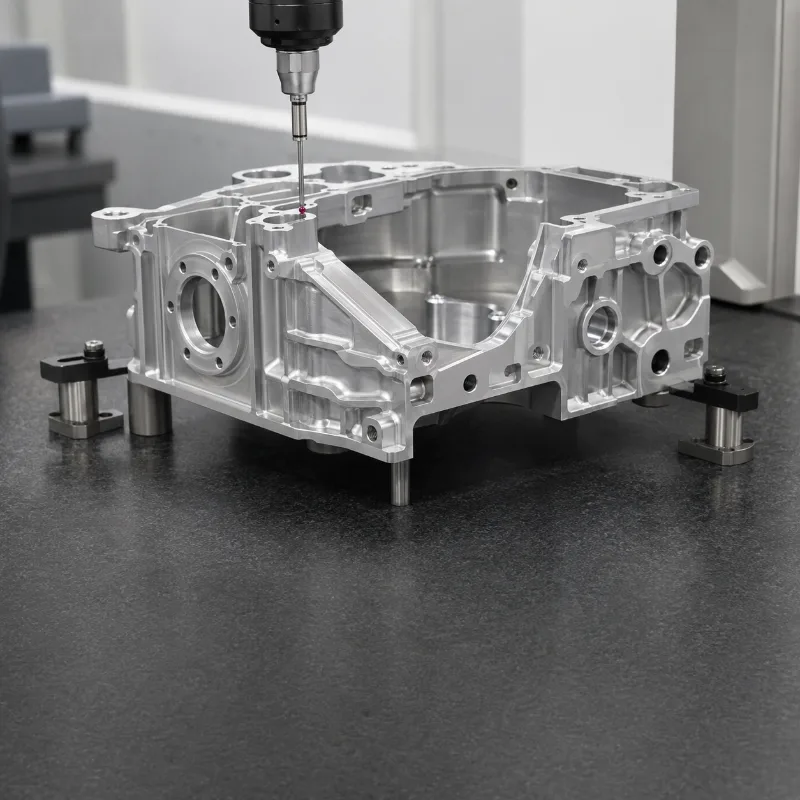

ABS Injection Molding Service
Custom ABS molded prototypes and production parts with expert support, budget-friendly options, and a range of materials and finishes to match your needs.
- Wall thickness from 1 mm
- Tolerances to ISO2768-C
- Parts up to 300 x 300 x 300 mm
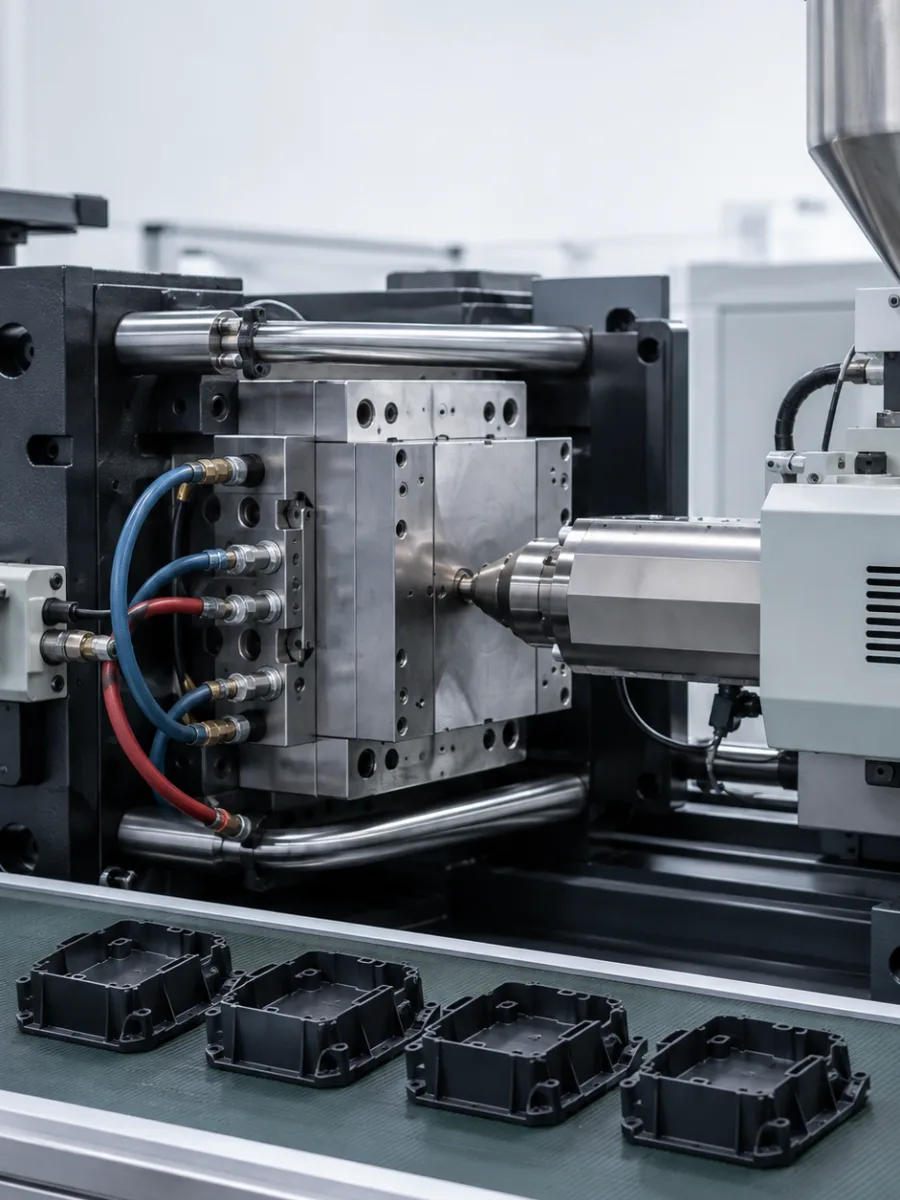
ABS in Injection Molding
ABS is widely used in injection molding because it combines mechanical strength, impact resistance, and processability. It pairs the toughness and chemical resistance of acrylonitrile with the flexibility of butadiene and the easy processing of styrene, so it fills complex molds reliably and reproduces fine detail.
- Impact resistance and toughness: Molded parts resist impact and everyday mechanical stress.
- Chemical resistance: Good resistance to aqueous acids, alkalis, and oils.
- Versatile material: Suitable for a wide range of consumer and industrial applications.
- Aesthetic appeal: Takes surface finishing and texture well for visible parts.
Selection note: ABS has limited resistance to some solvents and concentrated acids, moderate heat resistance compared with engineering plastics, and shrinkage or warpage that must be allowed for in the mold design.
ABS Injection Molding Capabilities
| Wall thickness | From 1 mm |
|---|---|
| Tolerances | ISO2768-C |
| Max part size | 300 x 300 x 300 mm |
| Melt temperature | 200 - 280 °C |
| Injection pressure | 48 - 103 MPa (7000 - 15000 psi) |
ABS Material Specifications
Mechanical Properties
| Tensile strength, yield | 40 MPa |
|---|---|
| Elongation at break | 10 % |
| Hardness | 109 Rockwell R |
Physical Properties
| Density | 1.04 g/cm³ |
|---|---|
| Heat deflection temperature | 95 °C |
| Glass transition temperature | 108 - 109 °C |
| Melting temperature | 170 - 320 °C |
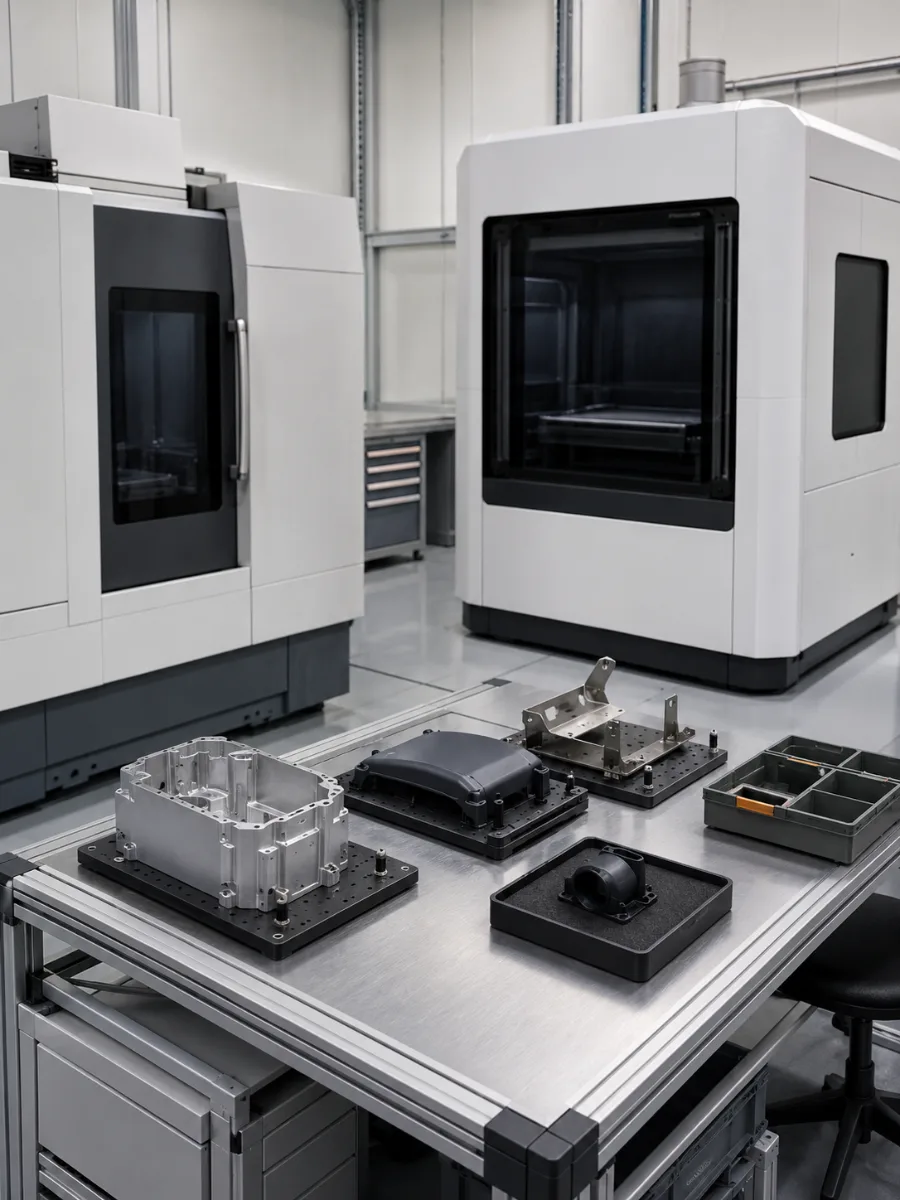
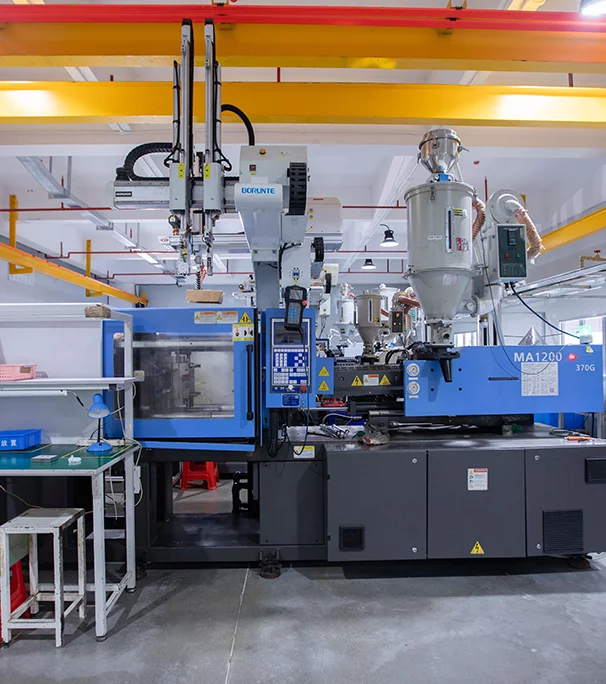
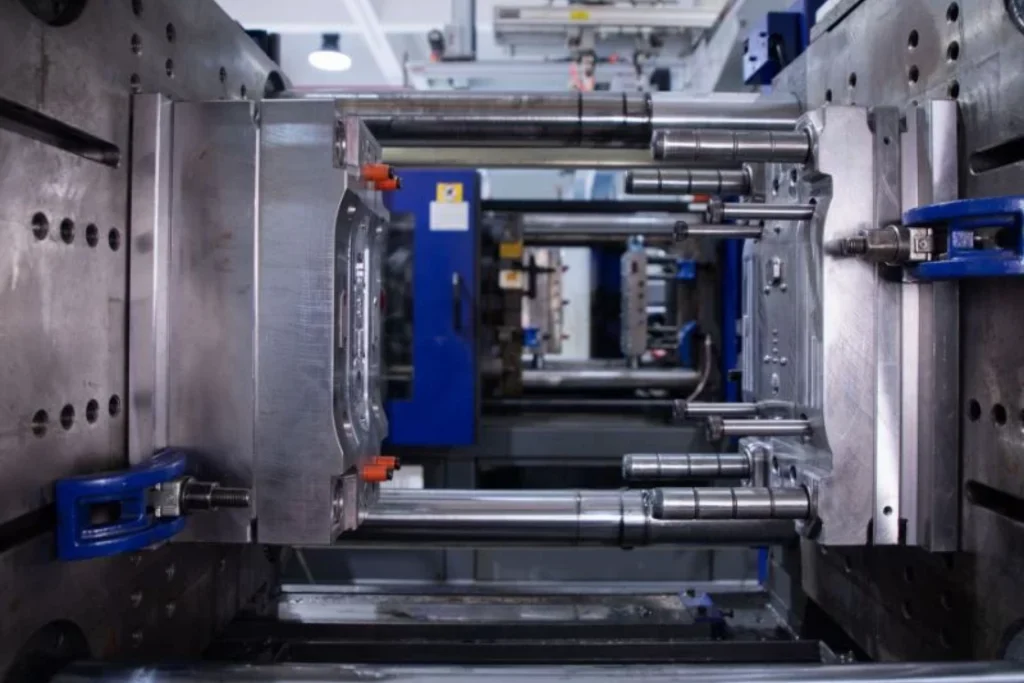
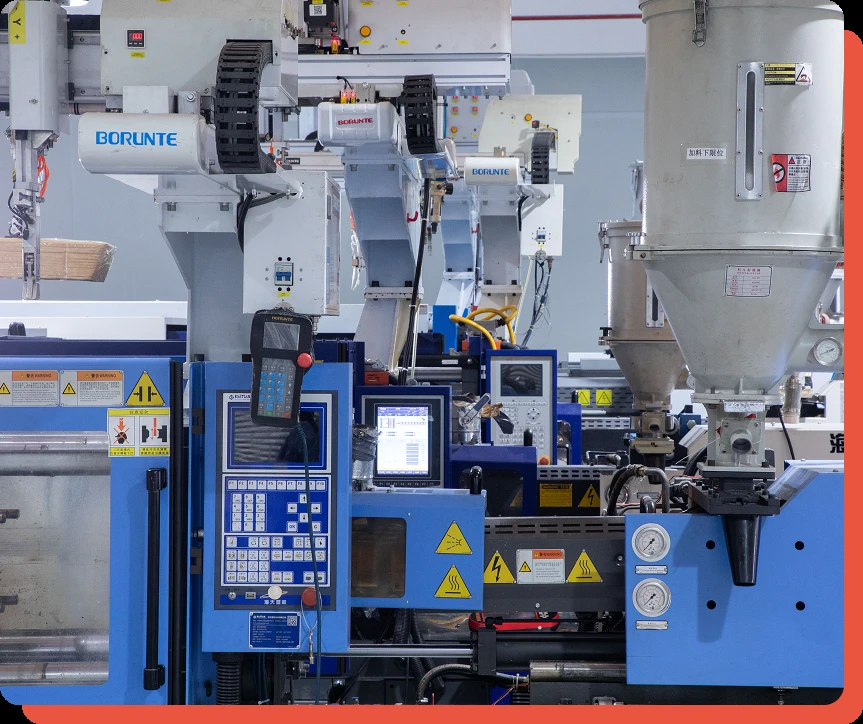
ABS Manufacturing Facilities
ABS Parts & Applications