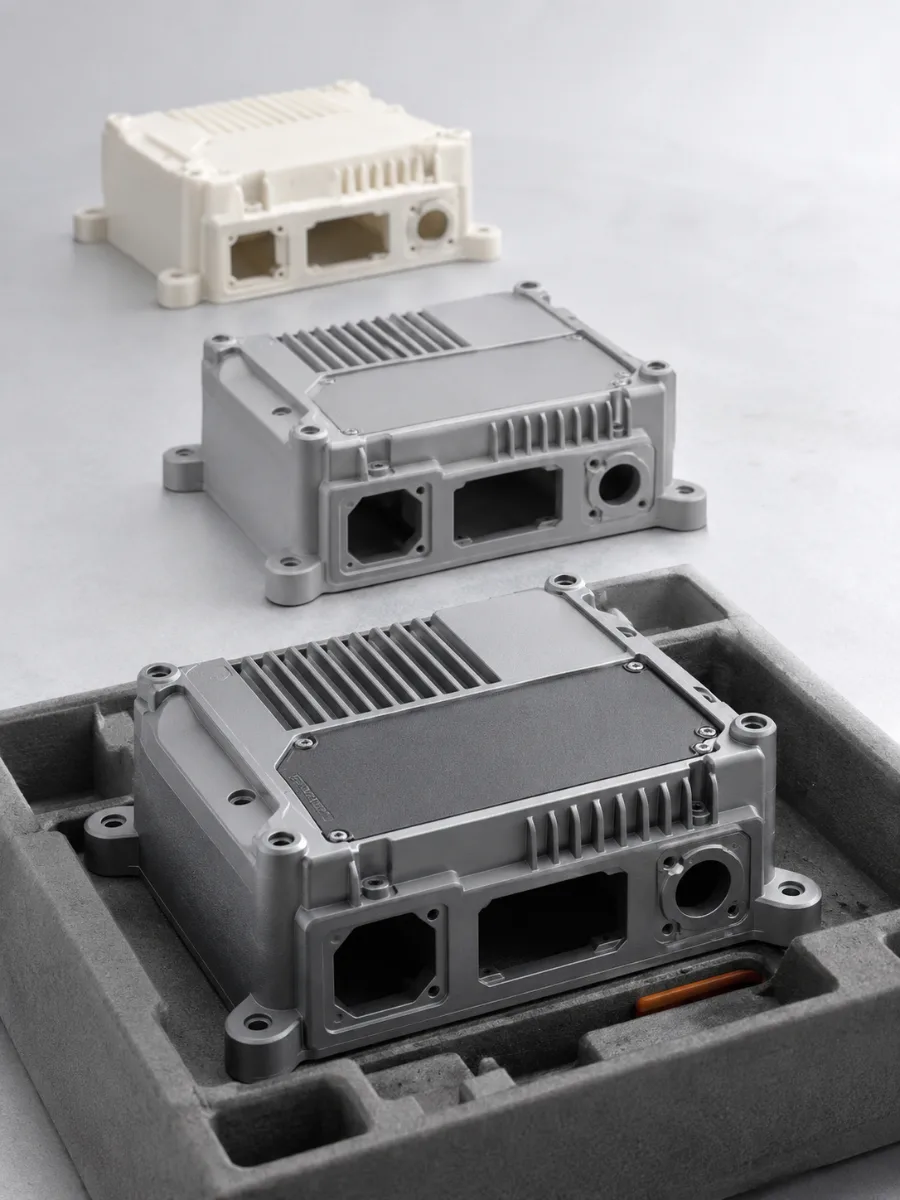
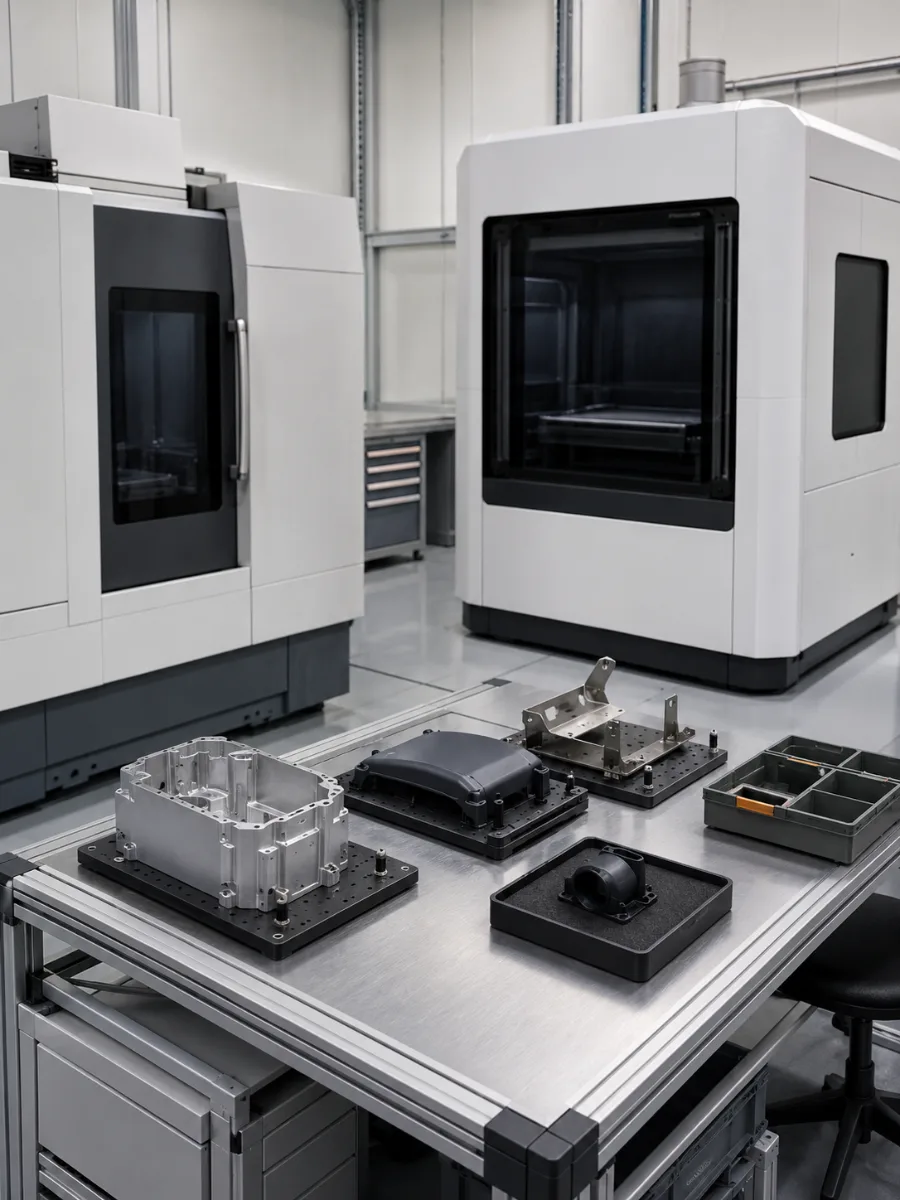
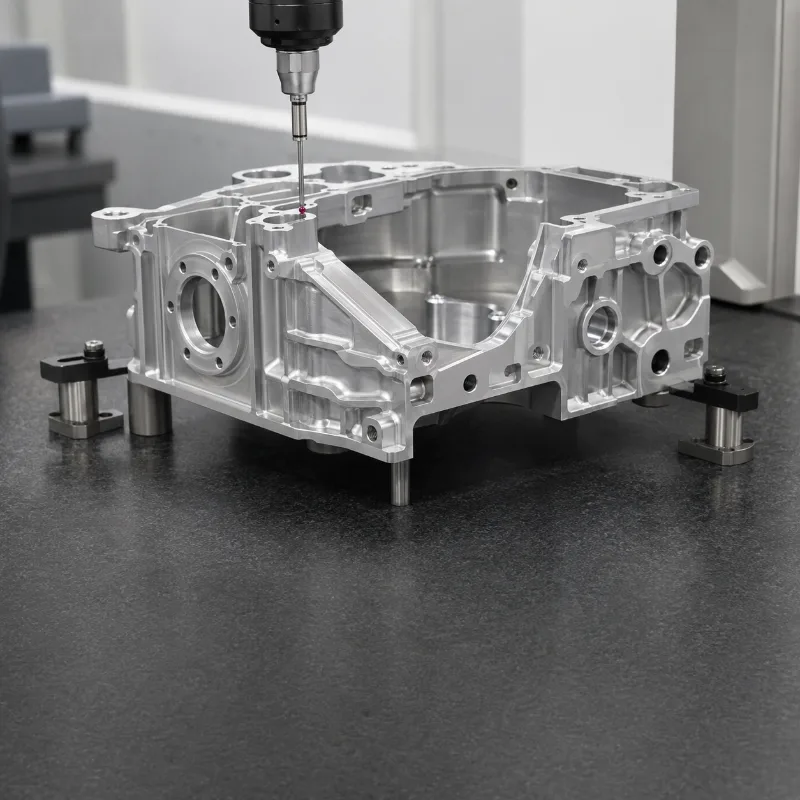

The plating solution requires replenishment as nickel ions are consumed, adding process complexity and cost. Material compatibility varies, and electroless nickel plating can cost more than conventional electroplating.
RapidDirect Electroless Nickel Services
Improve wear and corrosion resistance with our electroless nickel plating service, producing a uniform coating on your parts.
- Uniform coverage on complex parts
- Improved corrosion and wear resistance
- Smooth, semi-gloss finish
Electroless Nickel Overview
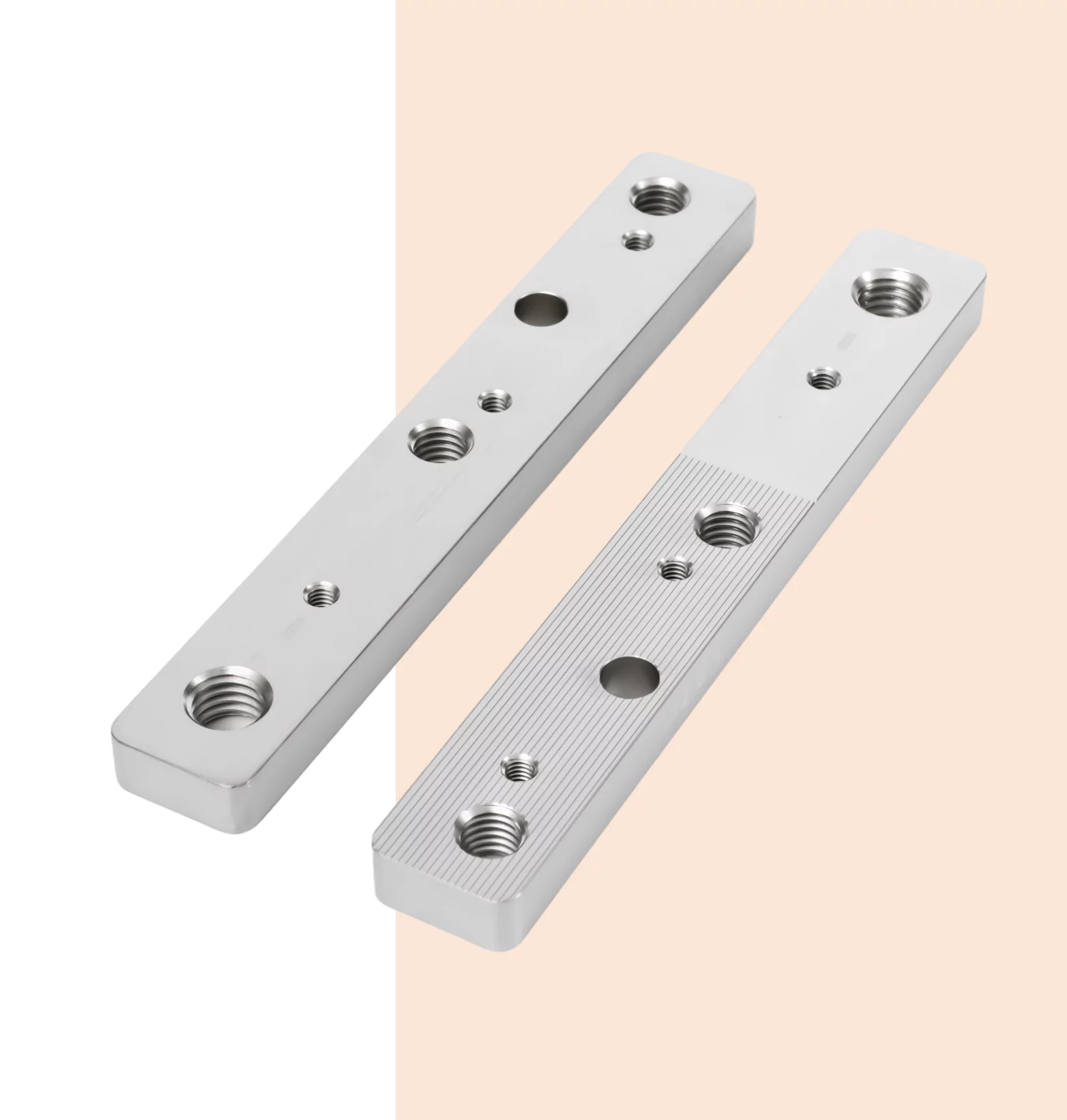
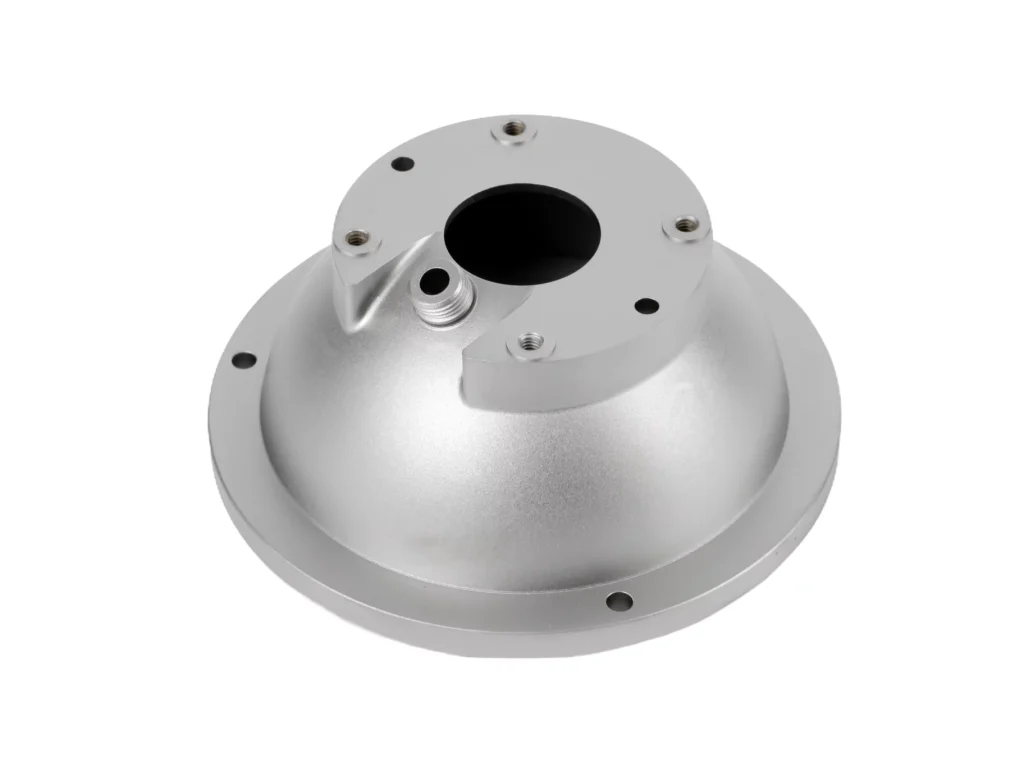
Electroless nickel plating is an autocatalytic chemical process that deposits a nickel-phosphorus alloy on a substrate without an external electrical current. It produces a hard, smooth, semi-gloss coating with uniform coverage, including on complex shapes and internal features. Coating thickness depends on plating time and bath composition. Phosphorus content also affects appearance and corrosion resistance.
- Uniform coverage:
The process provides a consistent coating on complex shapes and accessible internal surfaces.
- Corrosion resistance:
The nickel-phosphorus coating improves corrosion resistance.
- Wear resistance:
The hard coating helps improve resistance to wear.
- Smooth appearance:
The finish produces a smooth, semi-gloss surface.
Electroless Nickel Specifications
| Property | Specification |
|---|---|
| Available Substrates | Steel alloys, copper alloys, aluminum alloys |
| Coating Thickness | 3–40 μm |
| Thickness Tolerance | As tight as ±0.0001 in |
| Cosmetic Availability | No |
| Visual Appearance | Uniform, hard, smooth, semi-gloss coating |
| Applications | Aerospace, automotive, electronics, medical devices, oil and gas, industrial machinery |
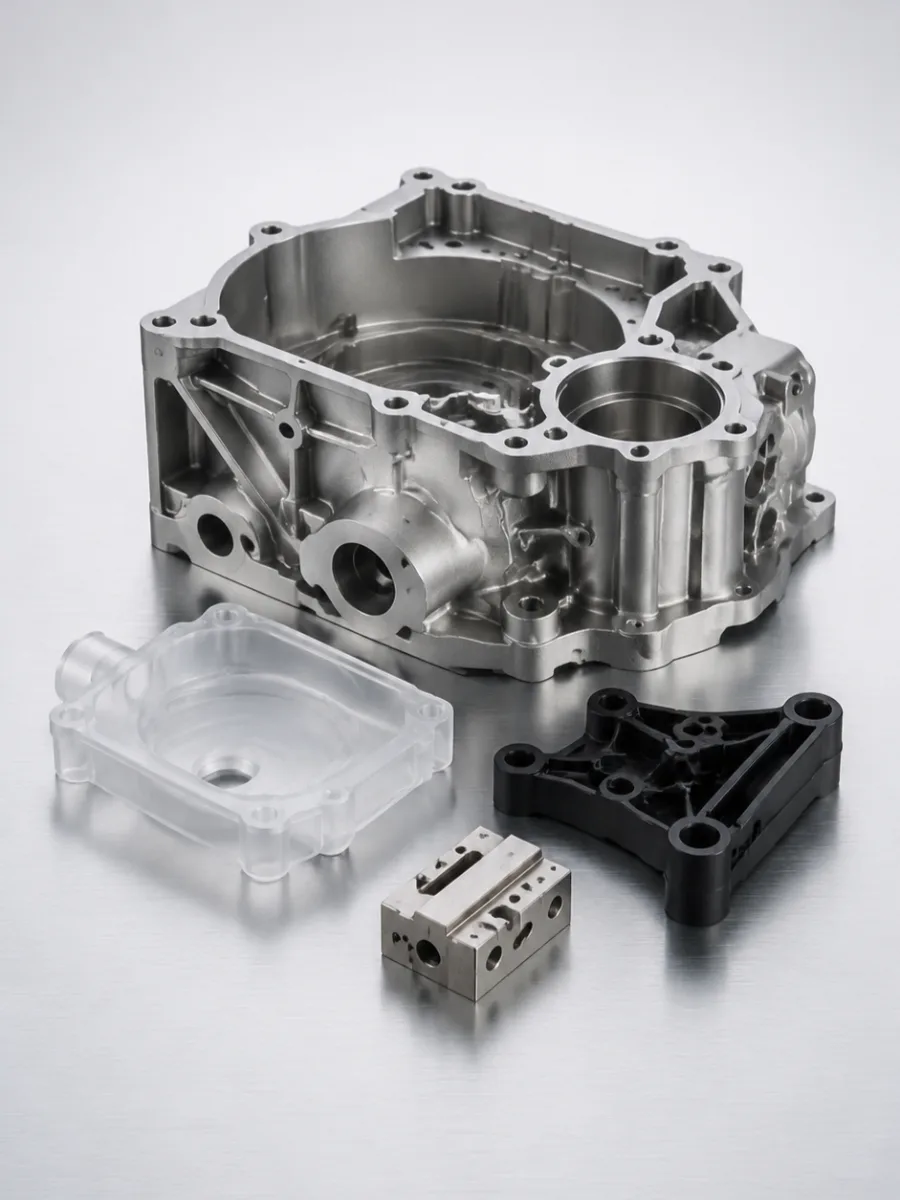
Electroless Nickel Parts
Electroless Nickel FAQs
Find answers about electroless nickel plating and project requirements.