
RapidDirect Polishing Services
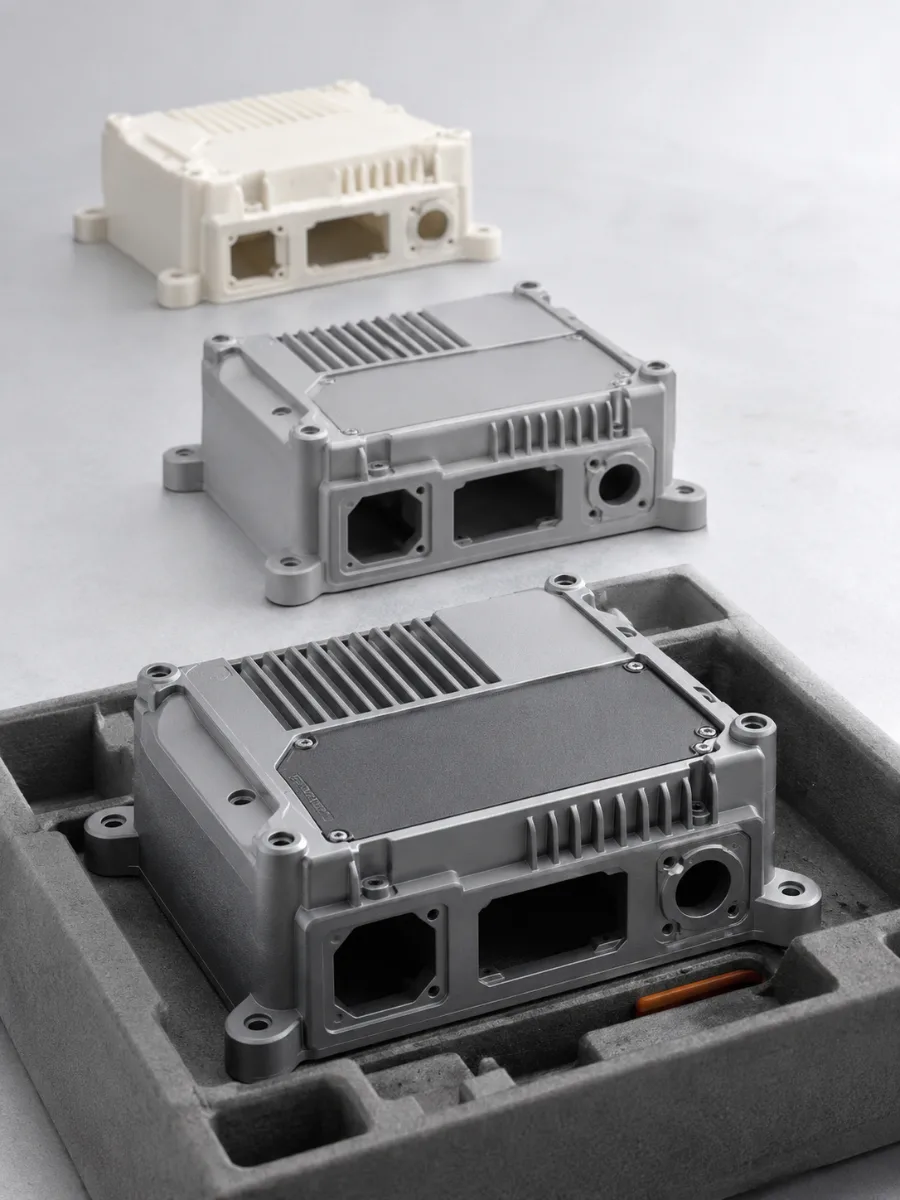
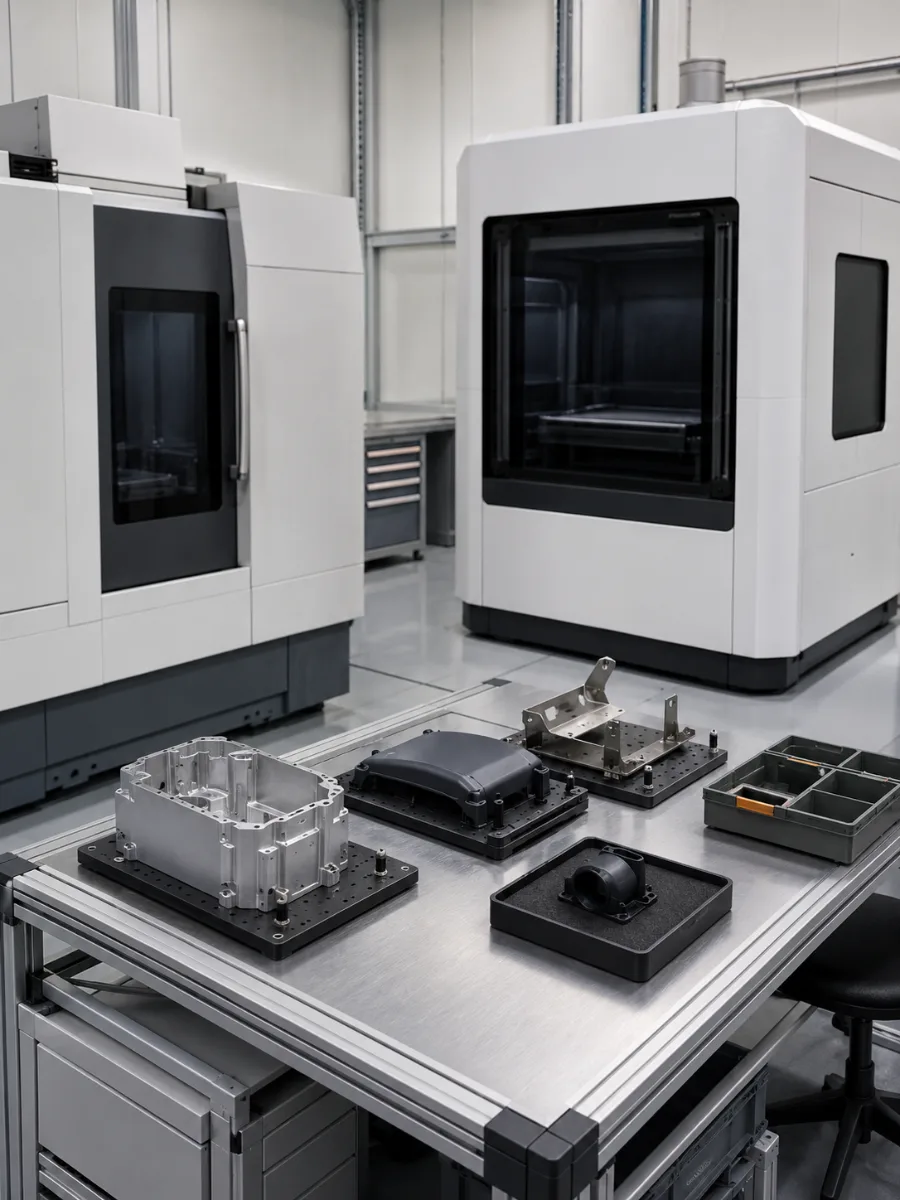
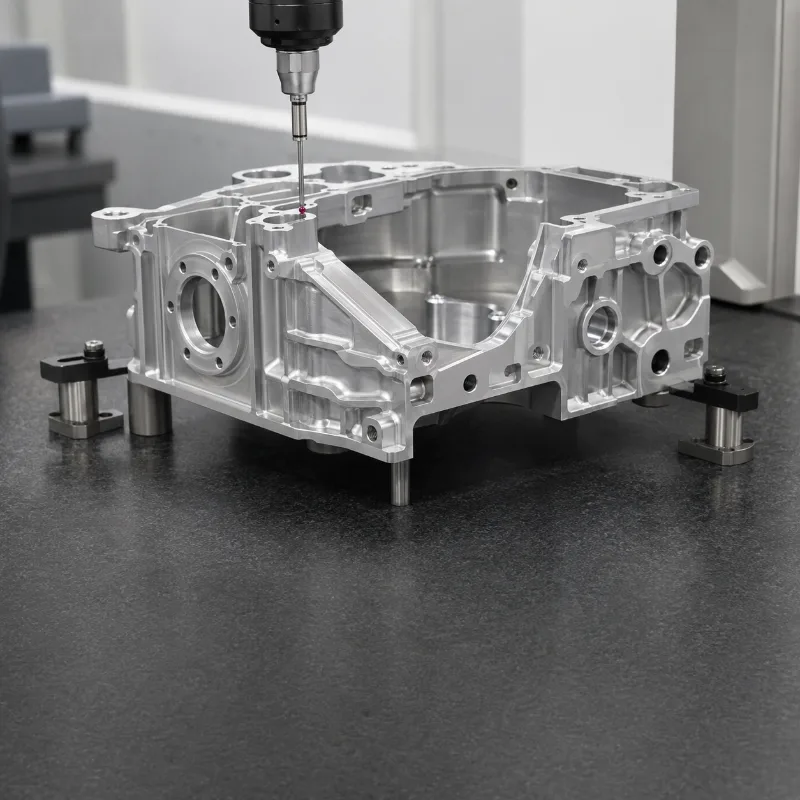
Our polishing services improve the look, feel, and performance of metal and plastic parts, with finishes from matte to high gloss for prototypes and production parts.
- Smooth, refined surfaces
- Matte to mirror-like finish options
- For prototypes and production parts

Polishing Overview
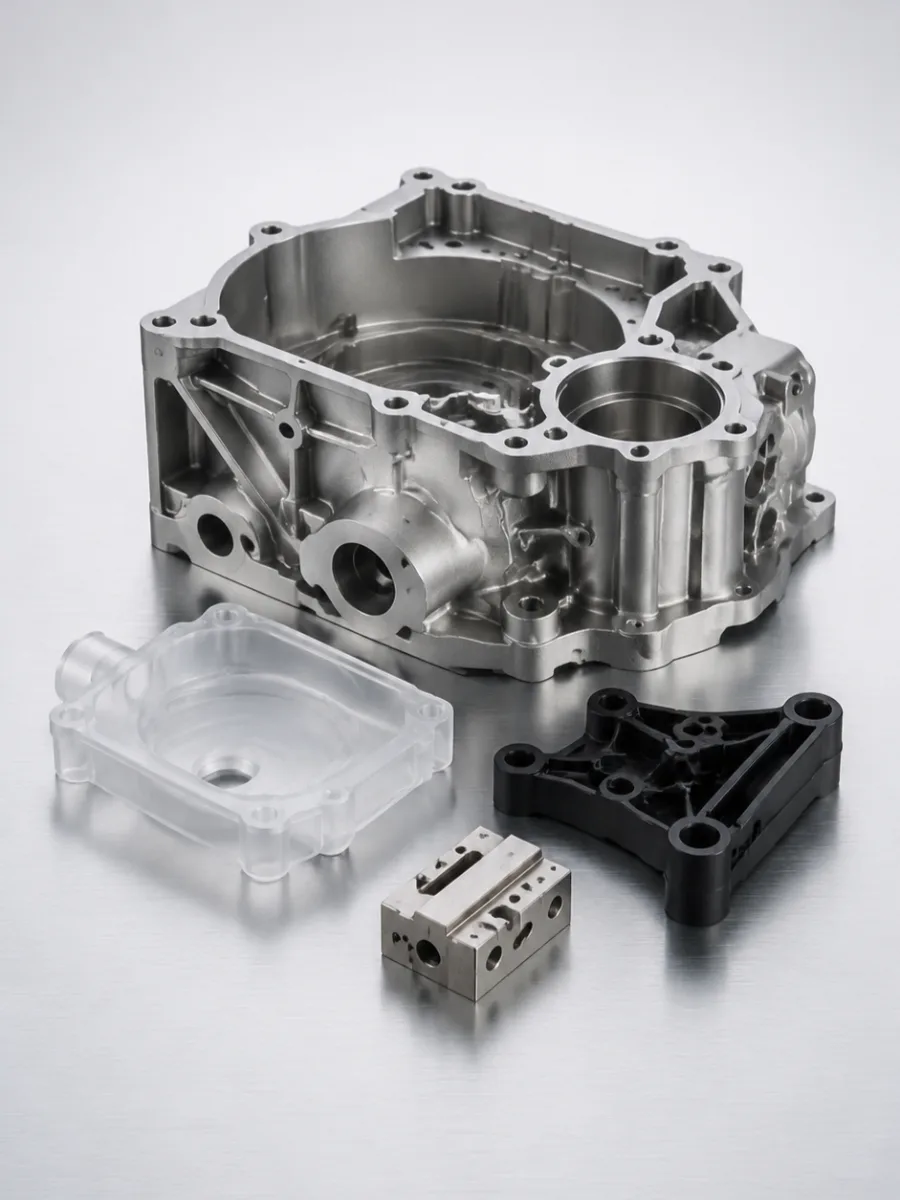
Polishing mechanically smooths and refines parts by removing minor tool marks, scratches, and surface imperfections. Abrasive belts, wheels, or compounds create a clean appearance ranging from satin to mirror-like finishes. It is used on CNC machined and sheet metal parts, including enclosures, brackets, housings, and decorative components, and can prepare surfaces for anodizing, coating, or final assembly.
- Improved appearance:
A smooth, uniform finish enhances customer-facing parts.
- Smoother surfaces:
Polishing reduces minor surface imperfections and can make parts easier to clean.
- Finish options:
Choose from basic, fine, and mirror polishing according to material and appearance requirements.
- Surface preparation:
Polishing can prepare parts for plating, anodizing, or coating.
Polishing Specifications
| Polishing Grade | Surface Roughness | Applicable Materials | Visual Appearance |
|---|---|---|---|
| Basic Polishing | 0.4–0.8 μm | Metals, plastics | Smooth, uniform matte or soft luster without distinct mirror reflection. |
| Fine Polishing | 0.1–0.4 μm | Metals | Highly smooth surface with clear reflectivity. |
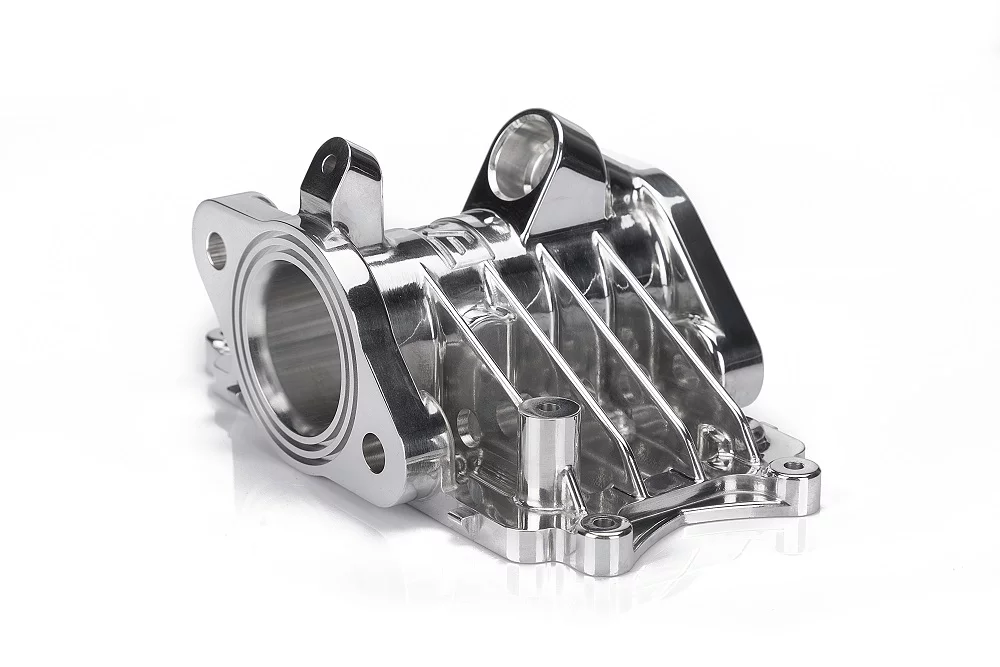
| Mirror Polishing | ≤0.1 μm | Metals | Mirror-like surface that clearly reflects images with minimal visible imperfections. |
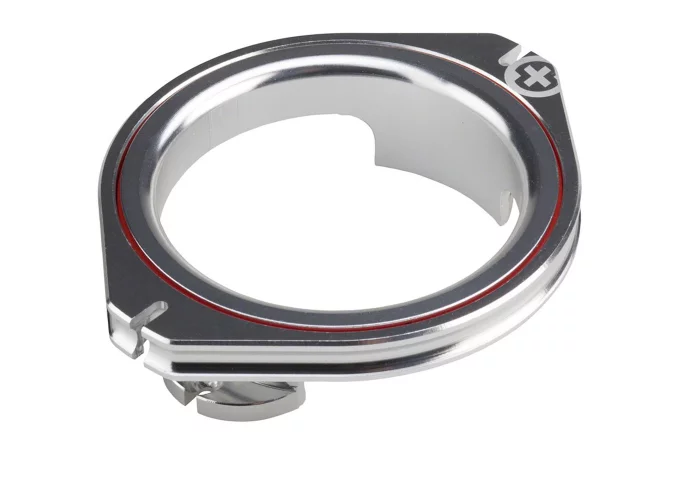
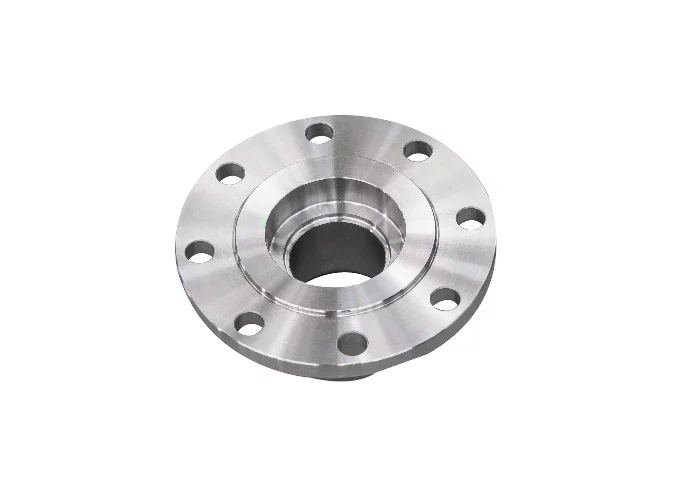
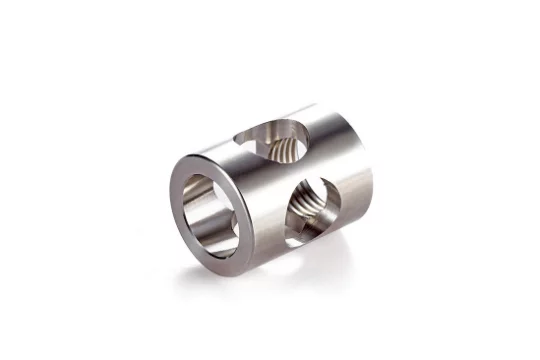
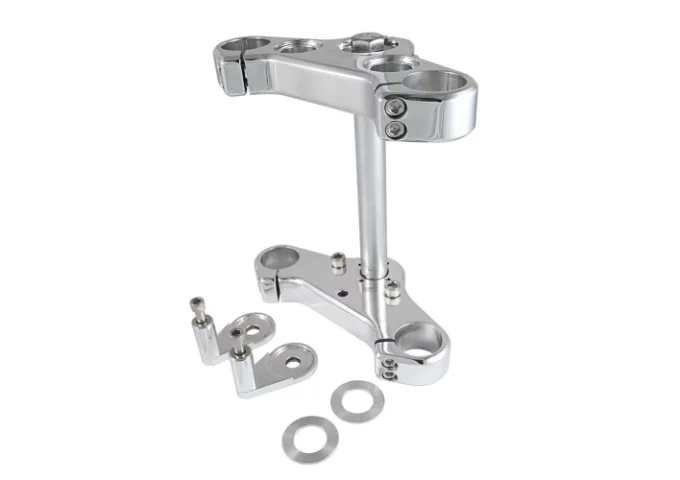
Polished Parts
Polishing FAQs
Find answers about polishing and project requirements.