
Zinc and nickel are different metals. Zinc plating is used for corrosion protection, while nickel plating generally offers a harder, more wear-resistant surface. The right choice depends on the application and service environment.
RapidDirect Zinc Plating Services
Improve the corrosion protection of your parts with RapidDirect zinc plating services.
- Protection against rust and corrosion
- Sacrificial protection for the underlying metal
- Suitable for fasteners and hardware
Zinc Plating Overview
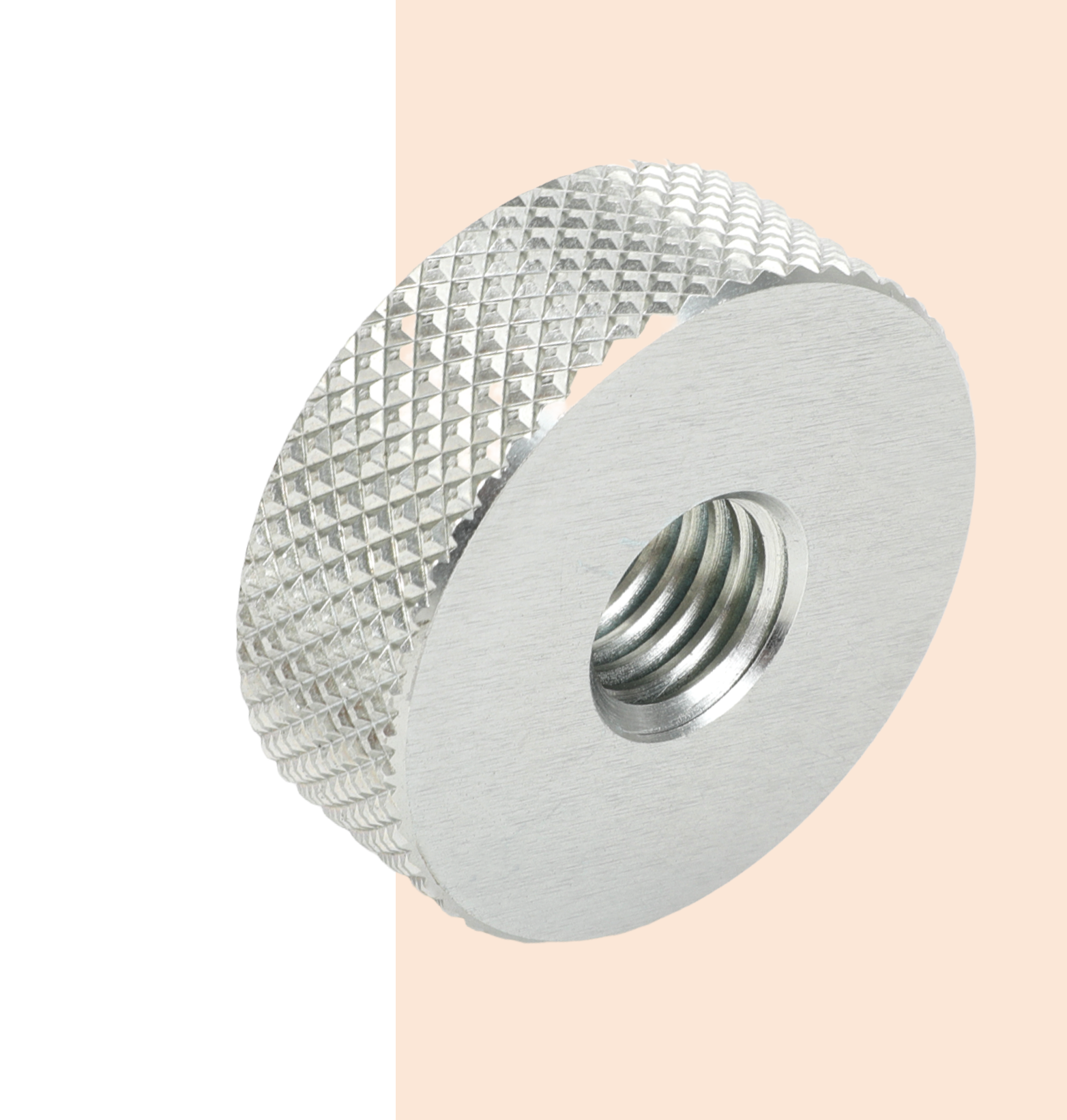
Zinc plating is an electroplating process that uses an electric current to deposit a thin layer of zinc on a part. The surface is first cleaned to remove dirt, grease, and oxides, then placed in a solution containing zinc salts for plating. The zinc layer helps protect the underlying metal from corrosion by acting as a barrier and by sacrificially corroding under suitable conditions.
- Corrosion protection:
The zinc coating helps protect the underlying part against rust and corrosion.
- Sacrificial protection:
Zinc can corrode preferentially to provide additional protection to the substrate.
- Suitable for fasteners:
Zinc plating is used on screws and other hardware exposed to indoor or moderately corrosive conditions.
- Paint compatibility:
Zinc-coated surfaces can be painted when properly prepared.
Zinc Plating Specifications
| Property | Details |
|---|---|
| Coating Material | Zinc |
| Process | Electroplating using a zinc-salt solution |
| Applications | Fasteners and hardware |
Electroplated and Painted Part Examples


Zinc Plating FAQs
Find answers about zinc plating and project requirements.