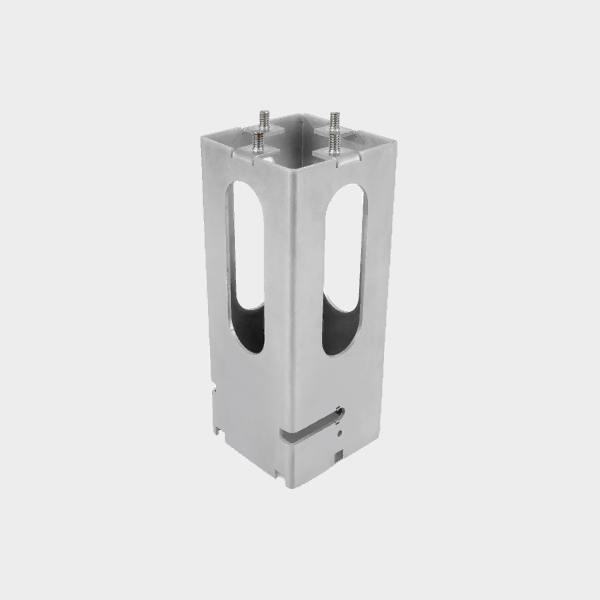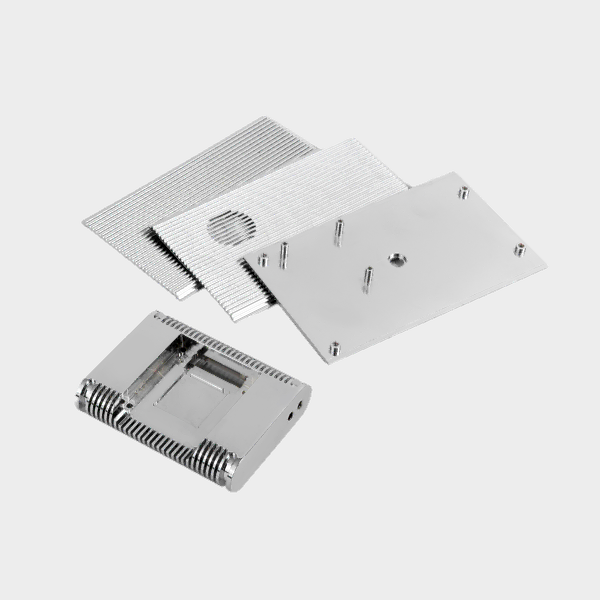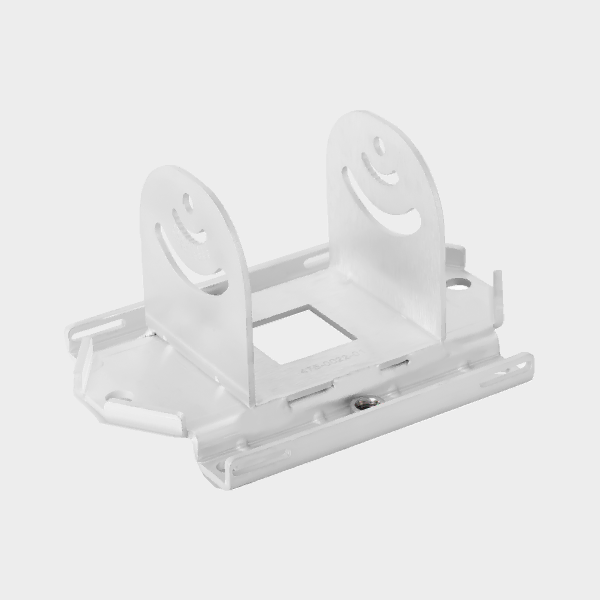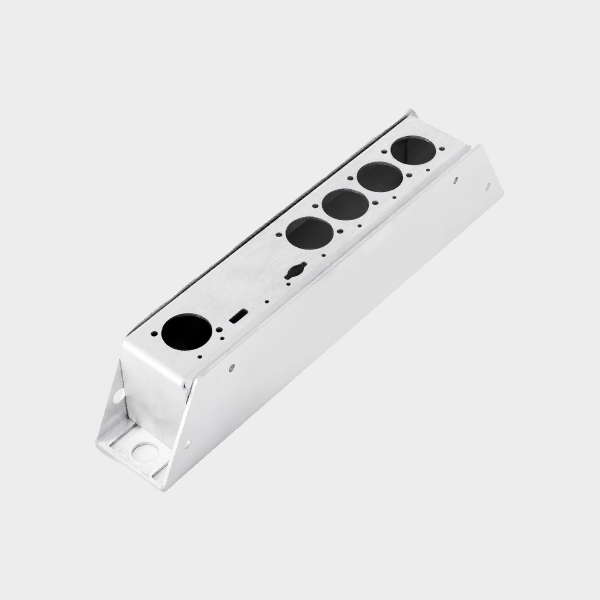
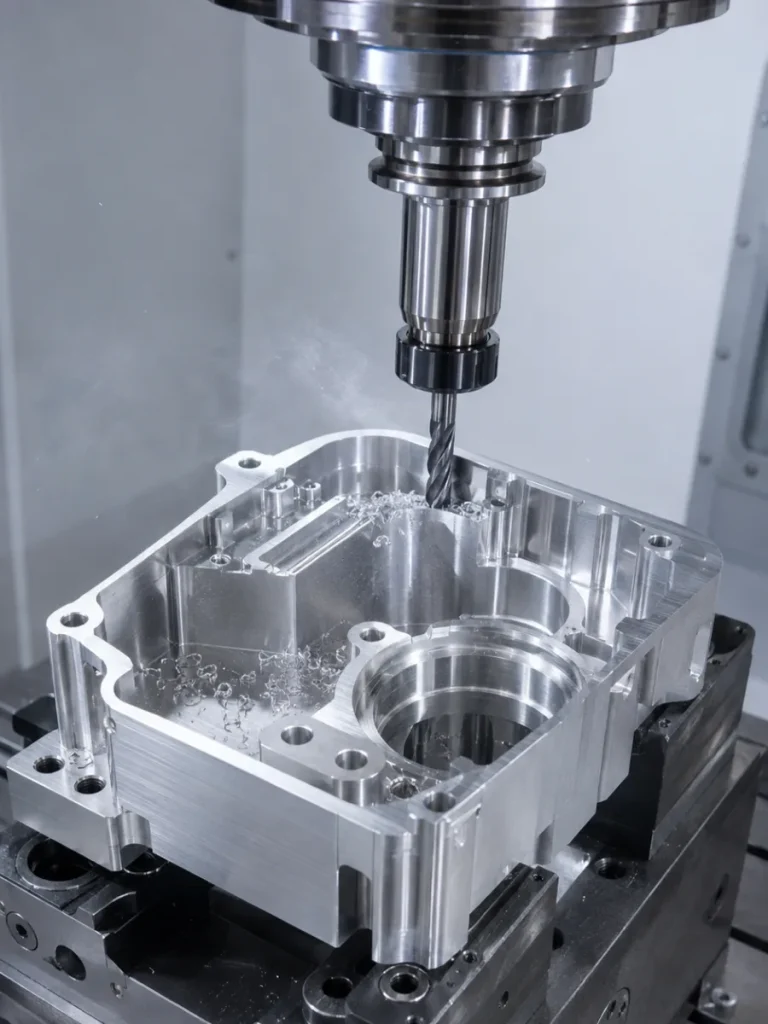
Aluminum CNC Machining
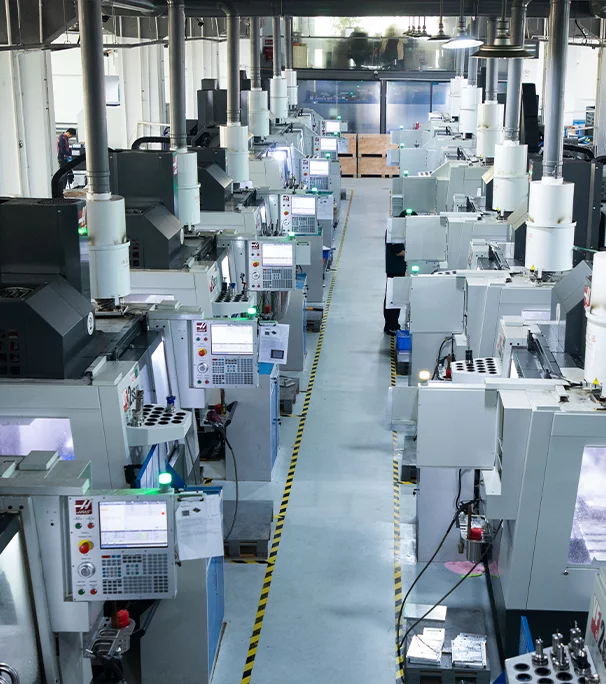
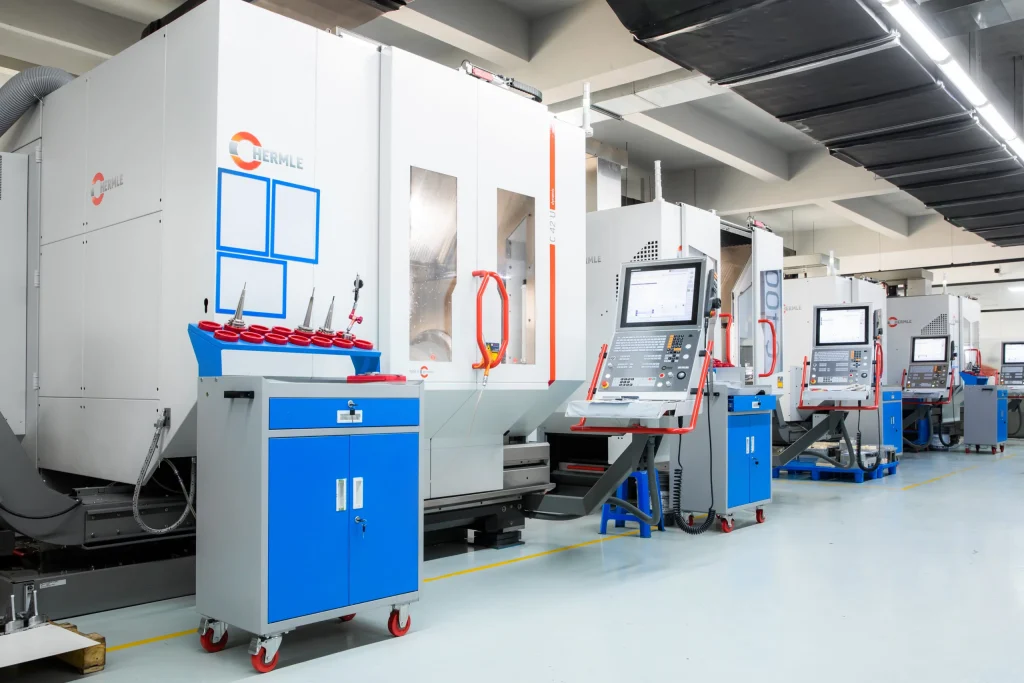
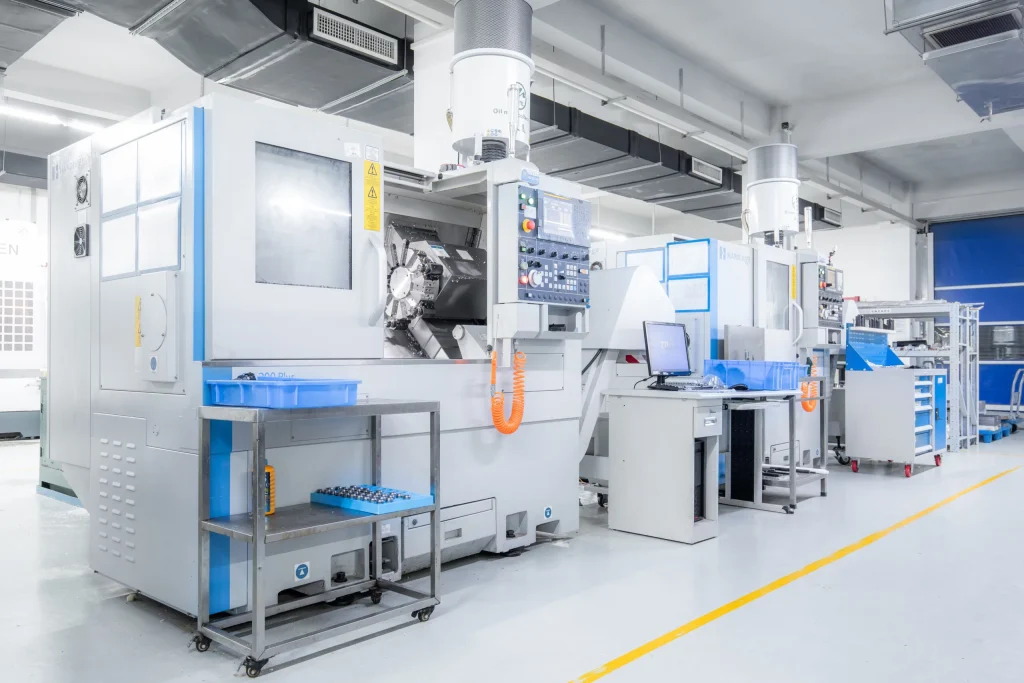
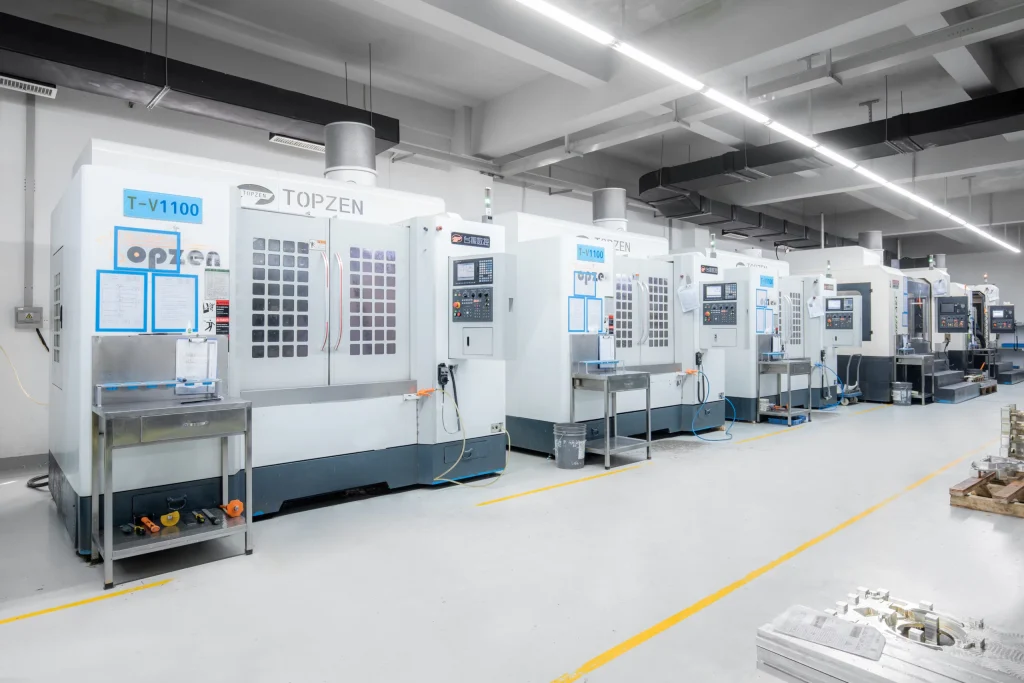
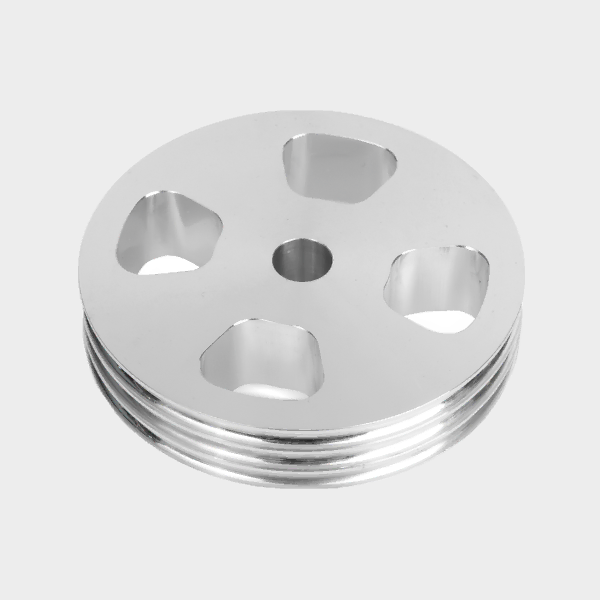
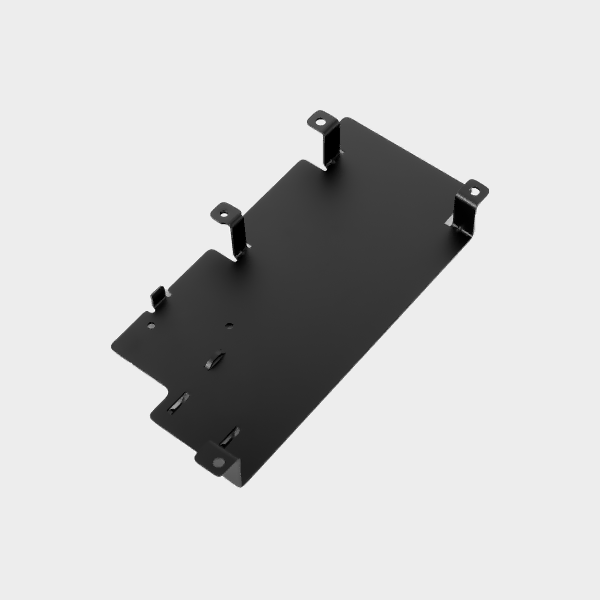
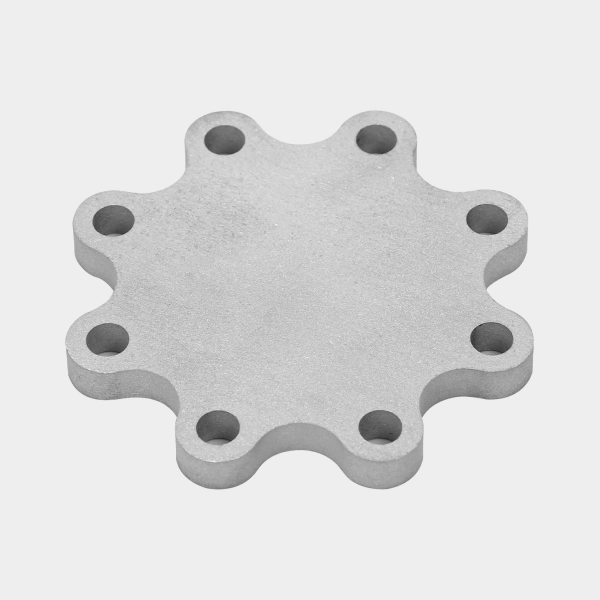
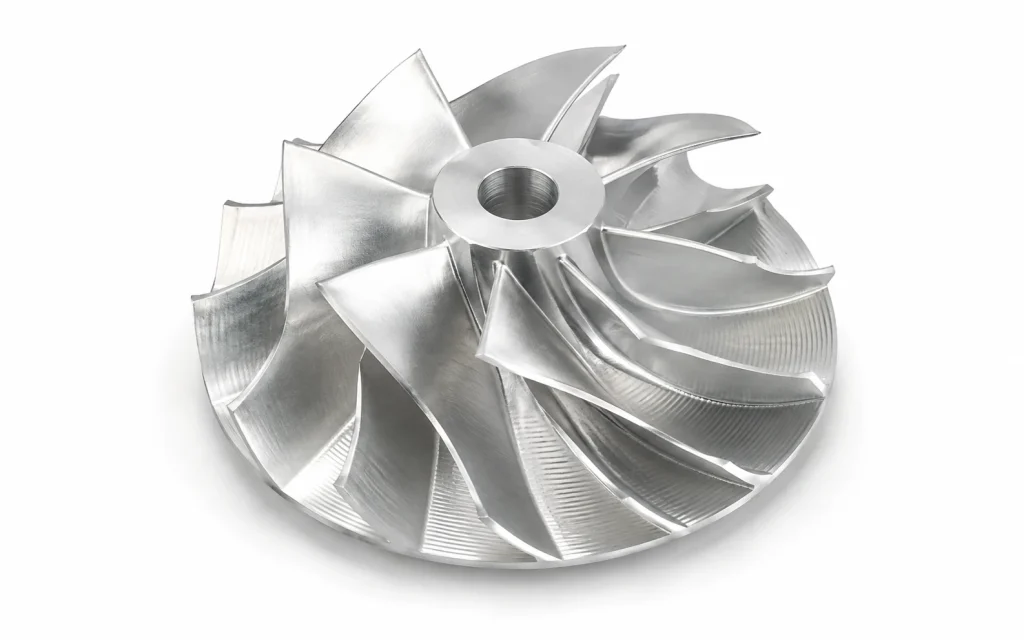
Machined aluminum parts across seven stocked grades, with tight tolerances and full finishing.
Explore Aluminum CNC Machining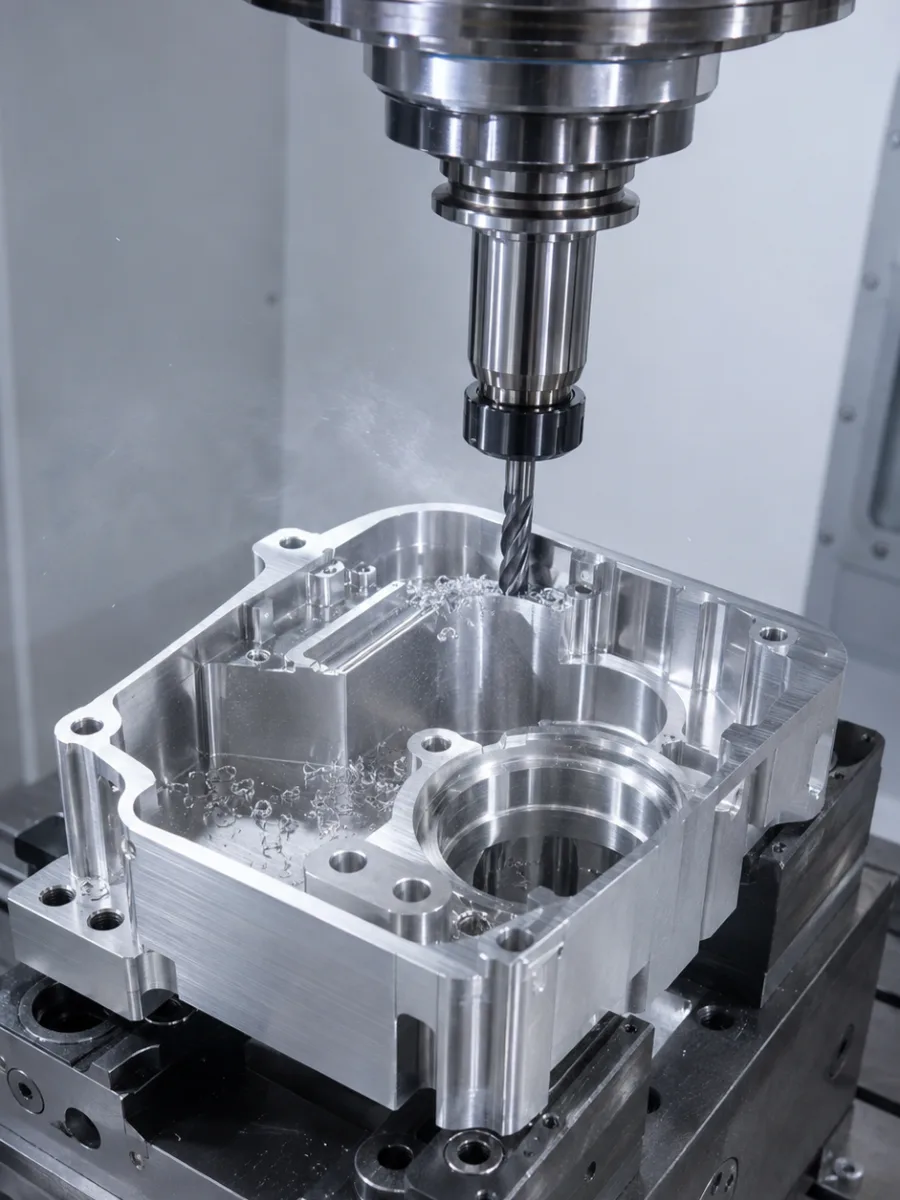
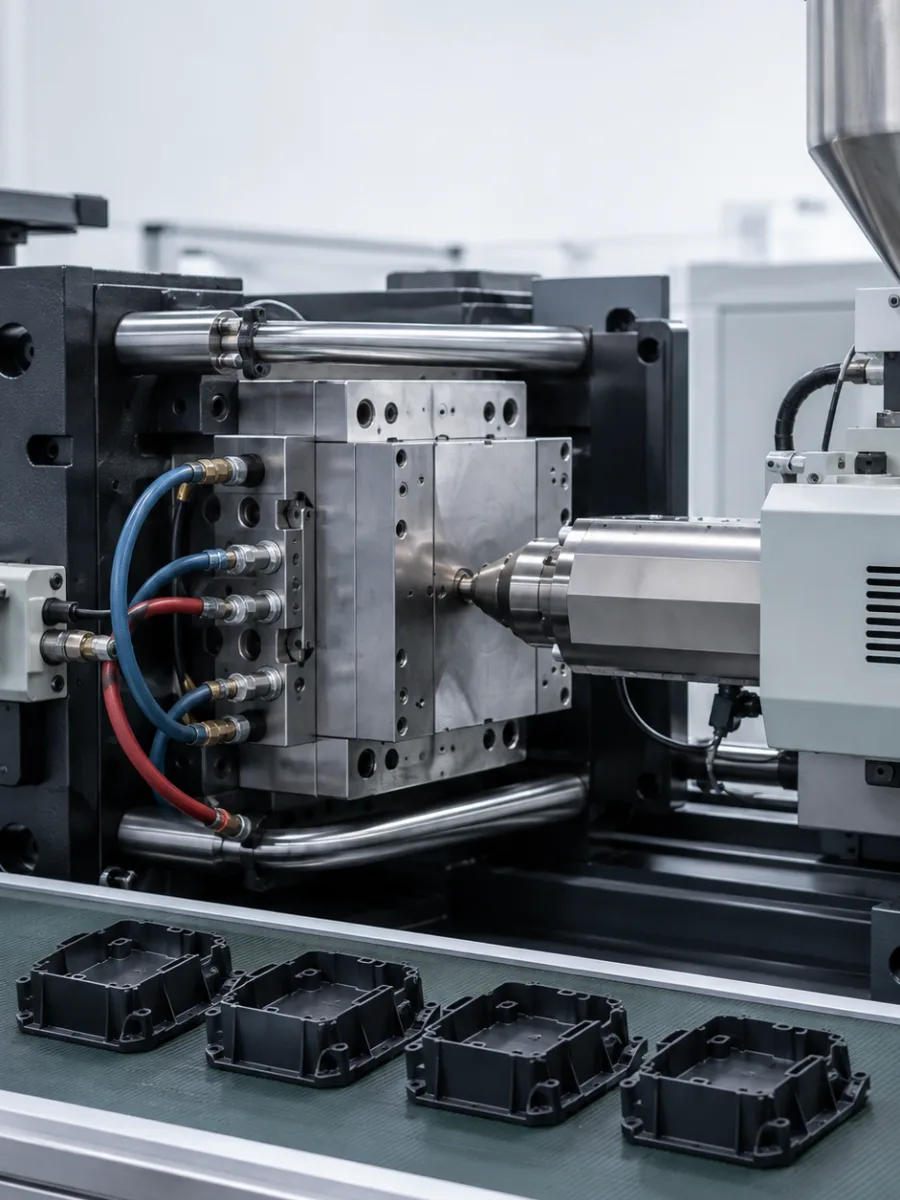
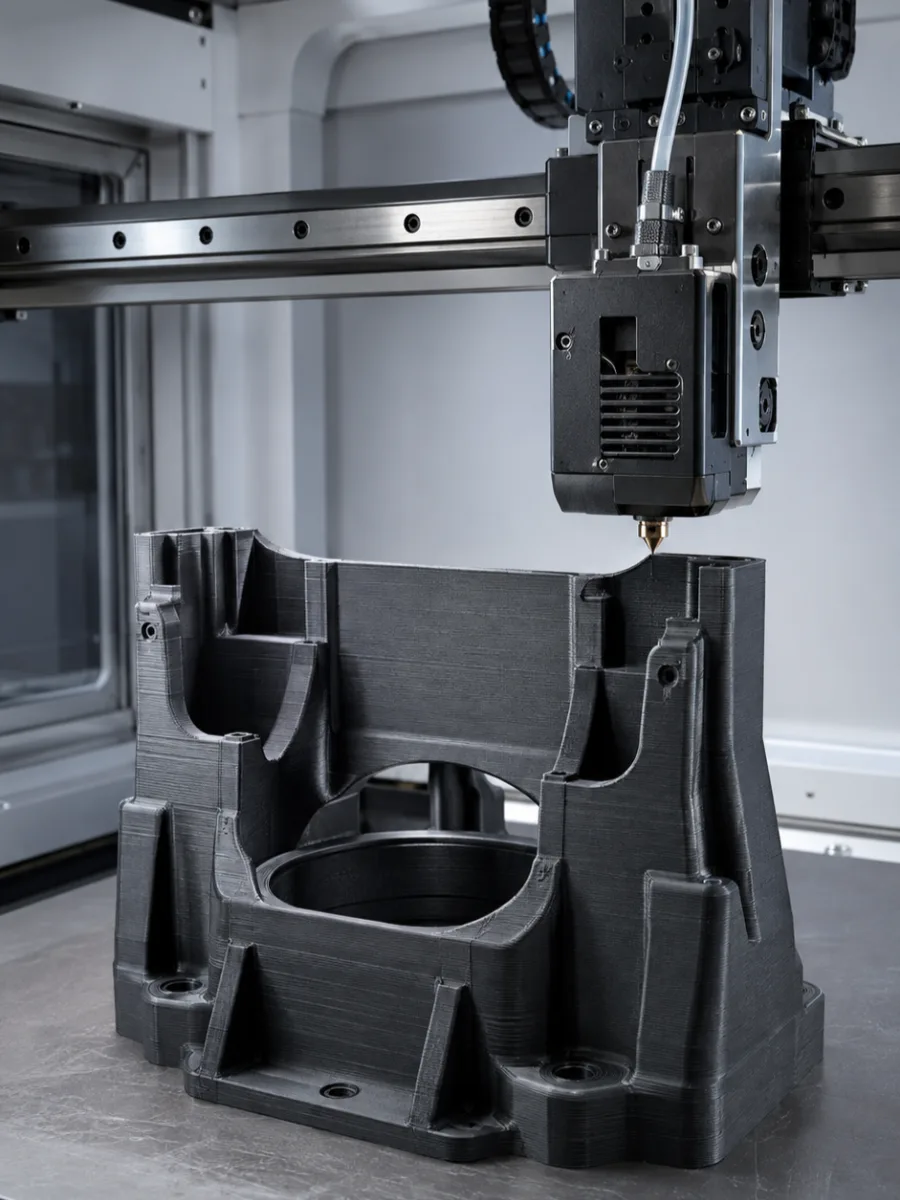
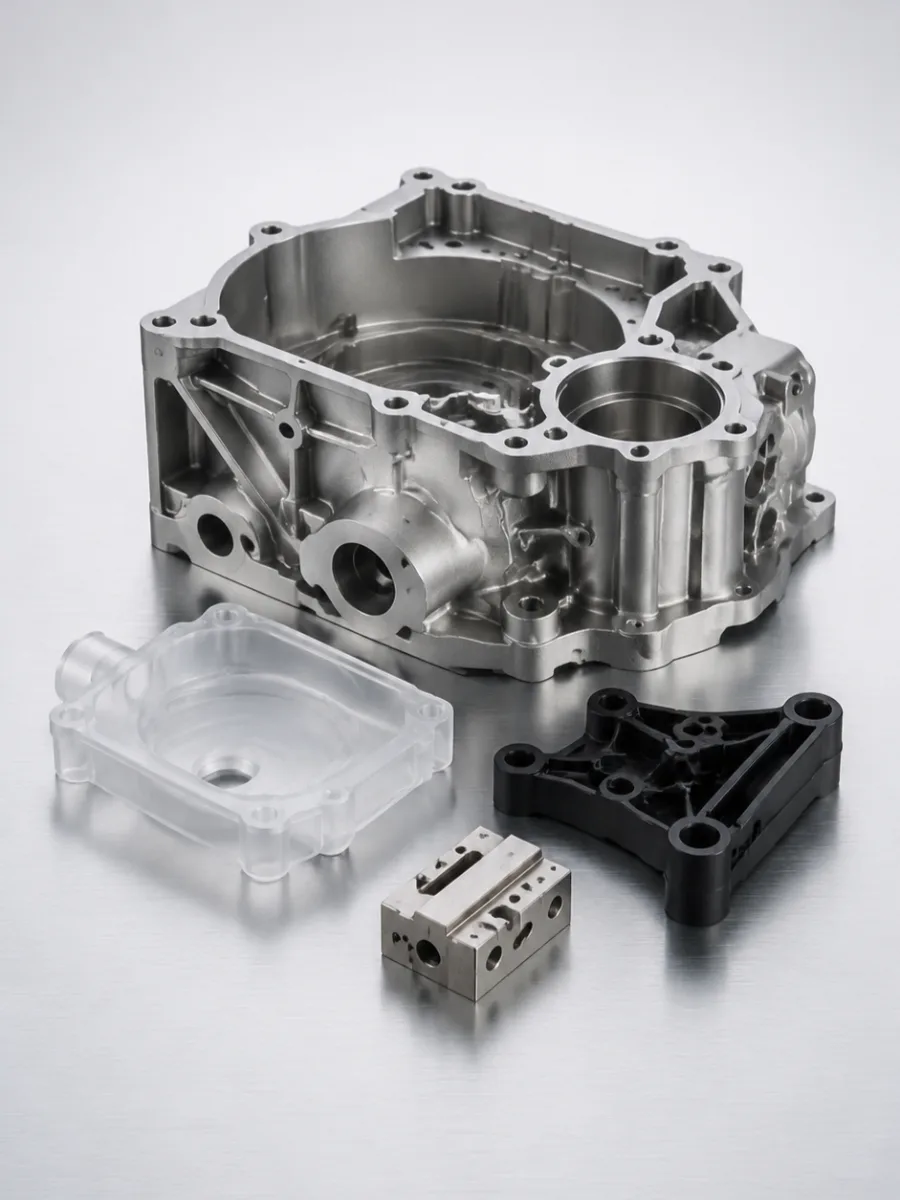
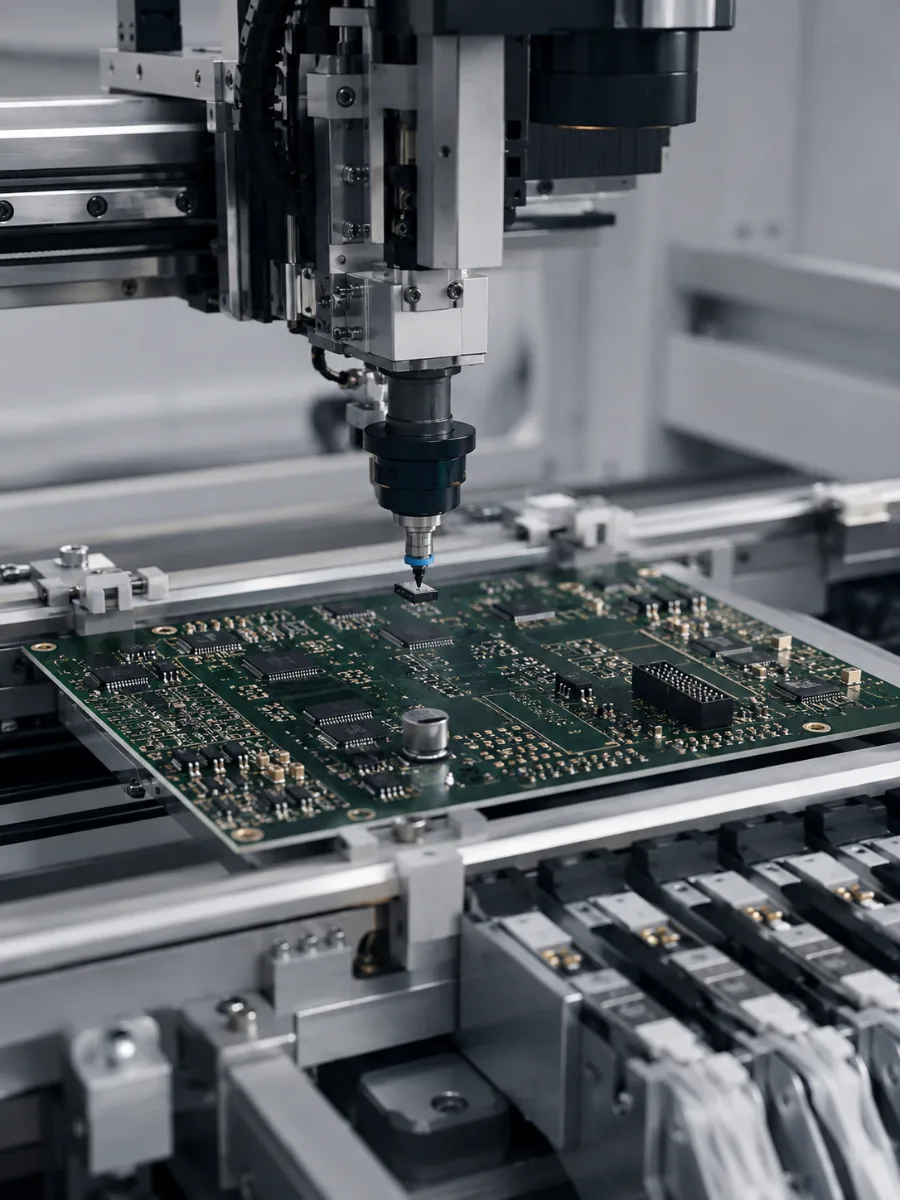
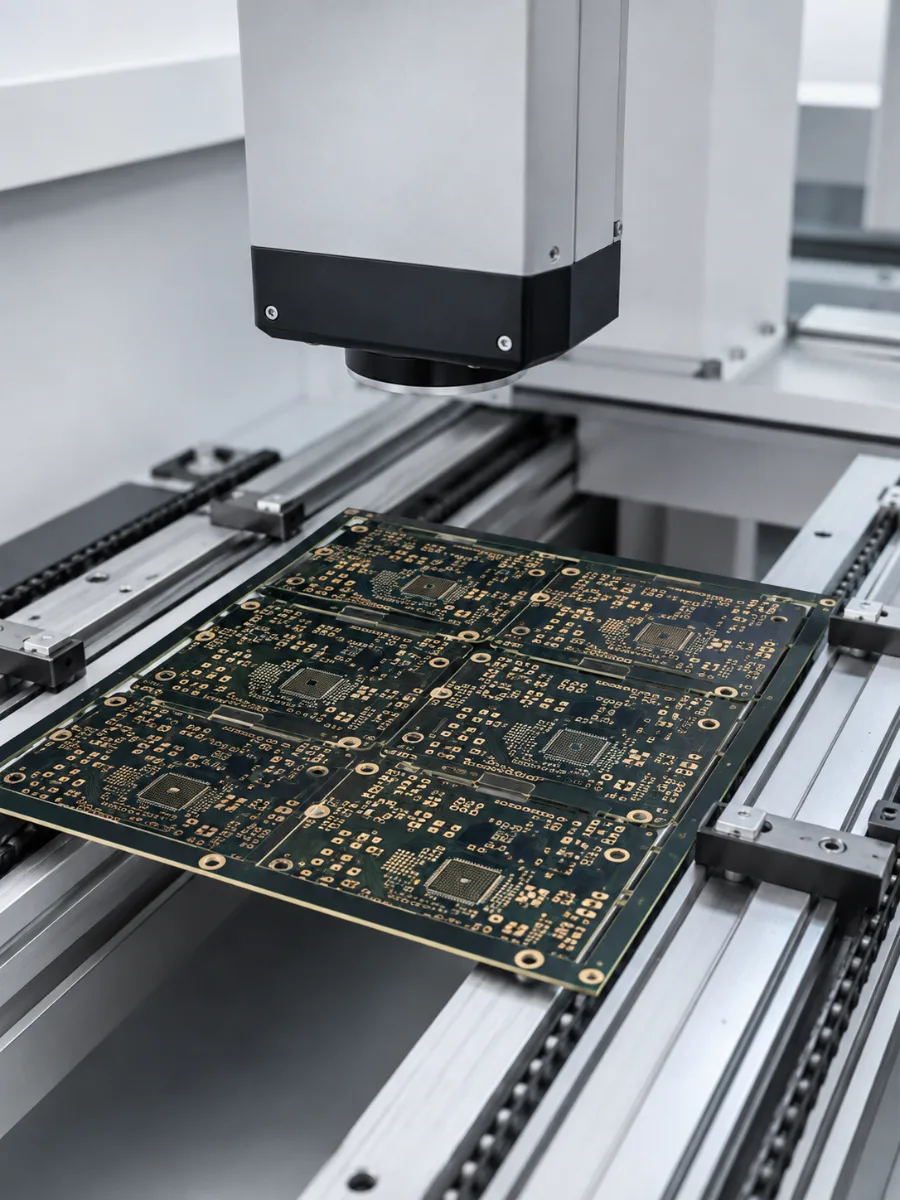
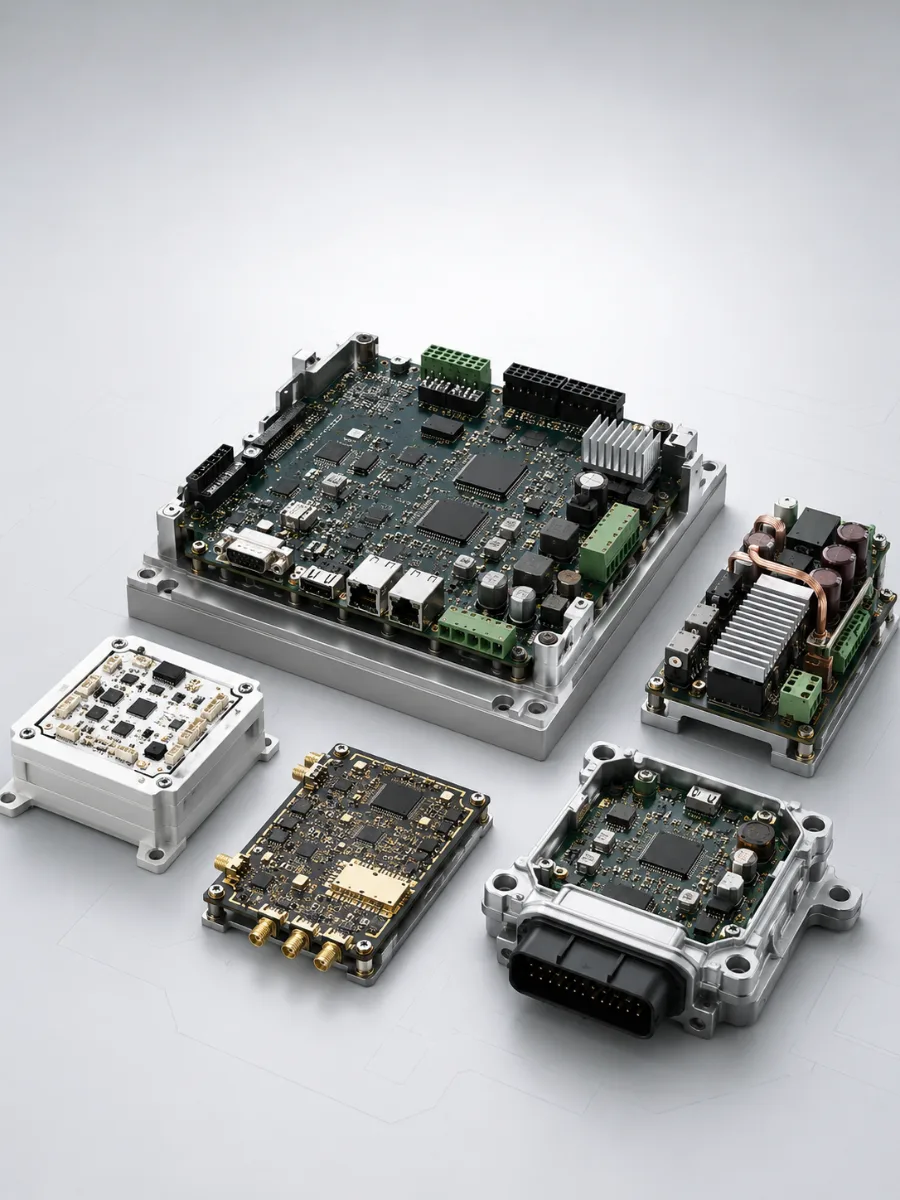
A one-stop product innovation service covering design, prototyping, mass production, and packaging.
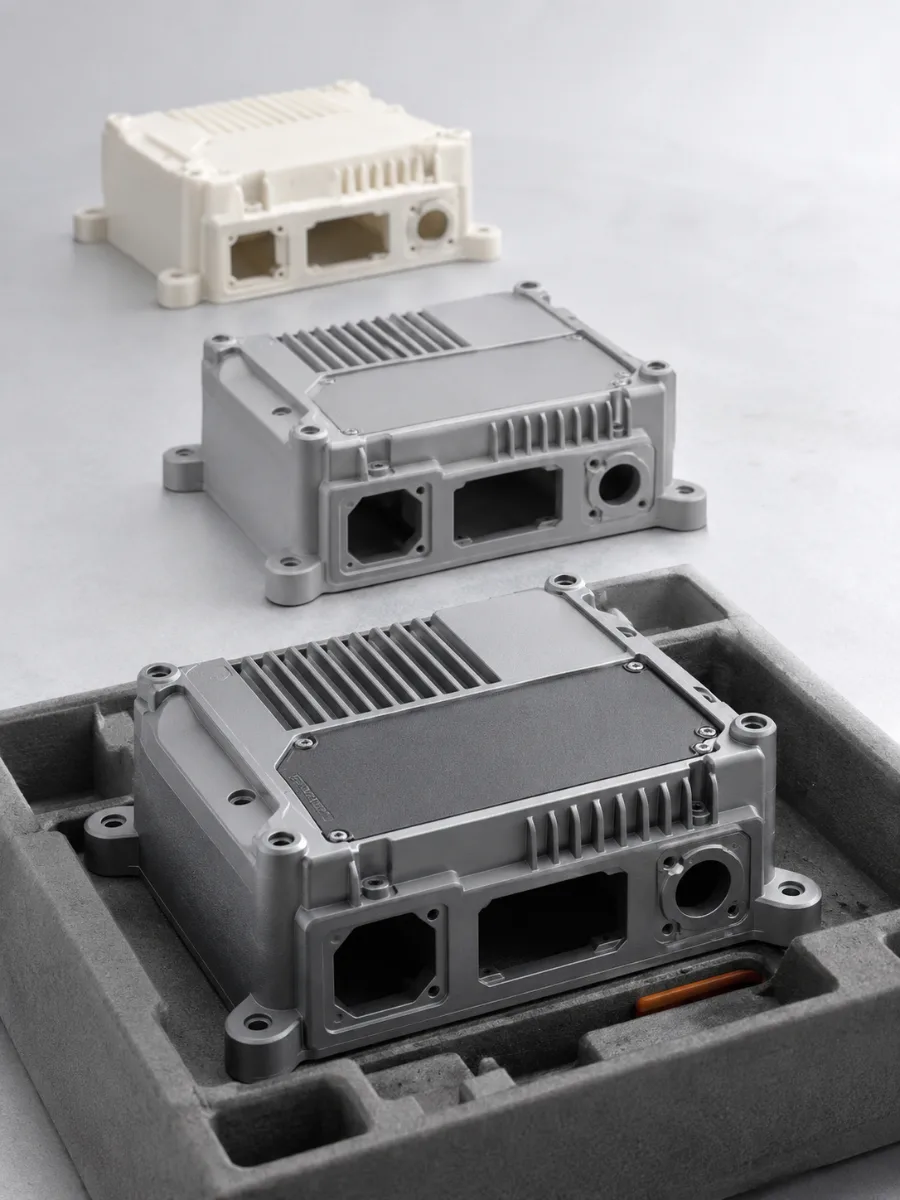
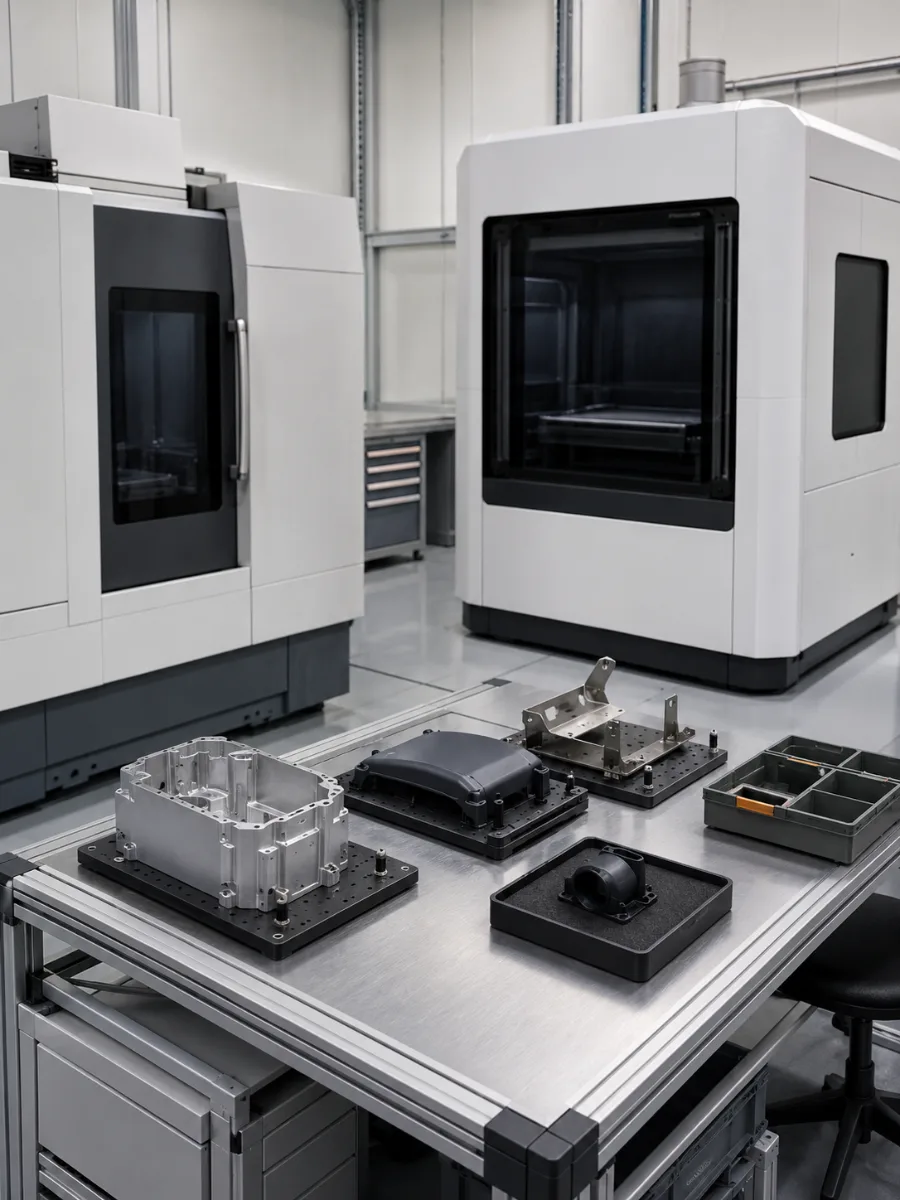
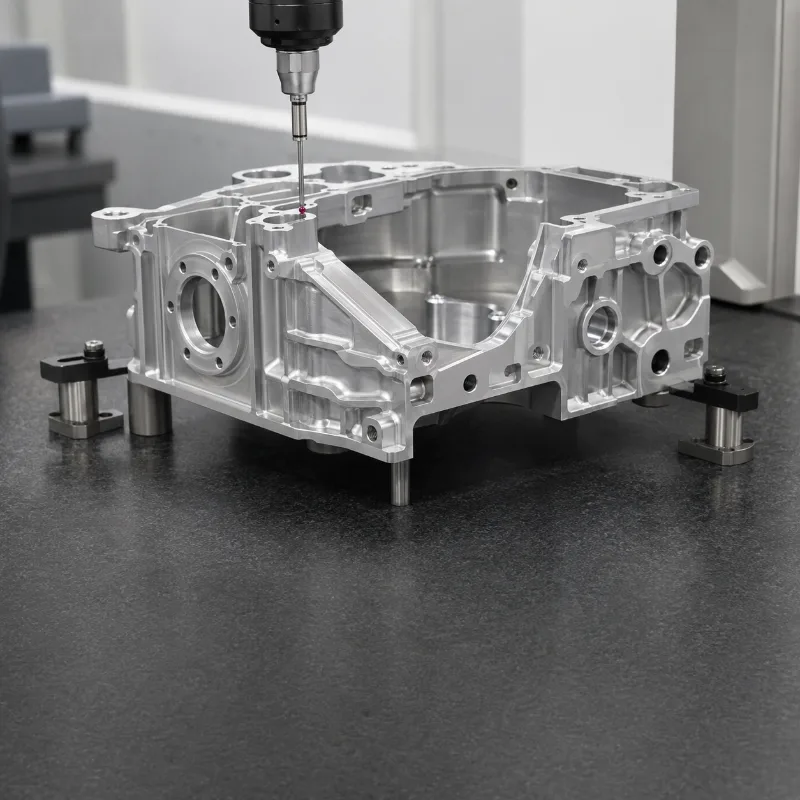
Aluminum is light, corrosion resistant, and easy to machine, which makes it the default metal for machined housings, brackets, panels, and structural components. Choose the grade by strength, corrosion resistance, and finish, then send the drawing for a quote.
Aluminum alloys cover a wide band of properties, so the grade matters as much as the material name. The 6xxx series (6061, 6063, 6082) balances strength, machinability, and finish quality and covers most machined parts. The 2xxx and 7xxx series (2024, 7075) trade corrosion resistance and weldability for much higher strength. The 5xxx series (5052, 5083) is not heat treatable but resists corrosion best and forms cleanly in sheet work.
Selection note: Aluminum is soft, scratches easily, and costs more than mild steel. Wrought strength also depends on temper, so specify the condition (for example 6061-T6) when the load path matters.
Machined aluminum parts across seven stocked grades, with tight tolerances and full finishing.
Explore Aluminum CNC Machining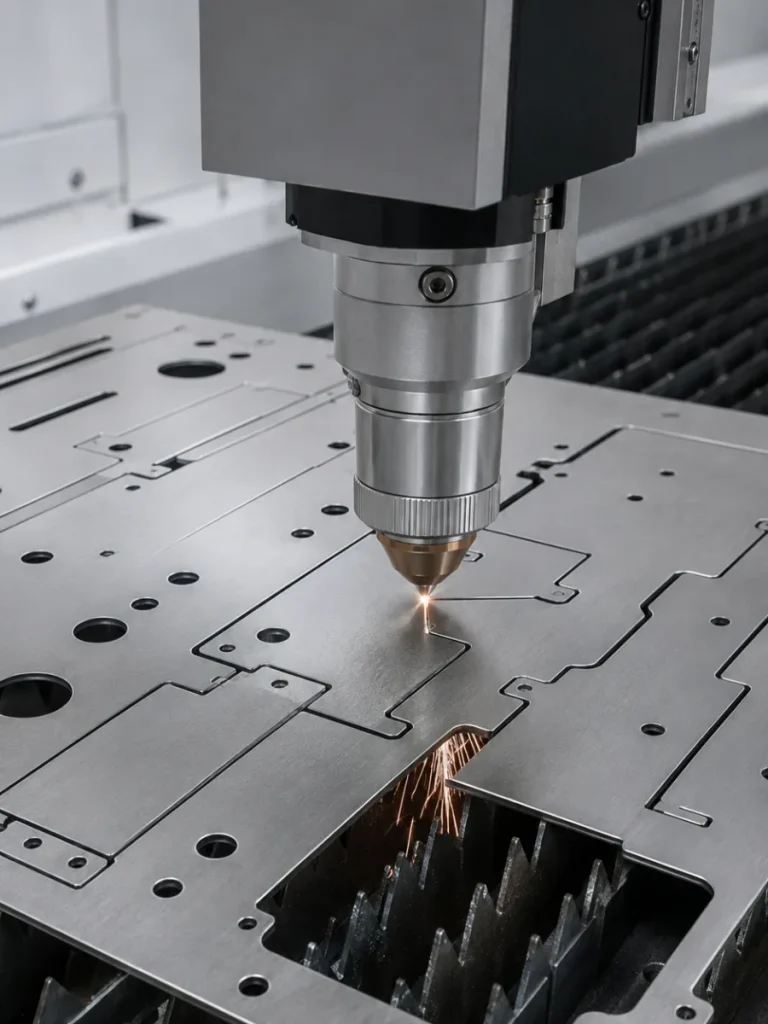
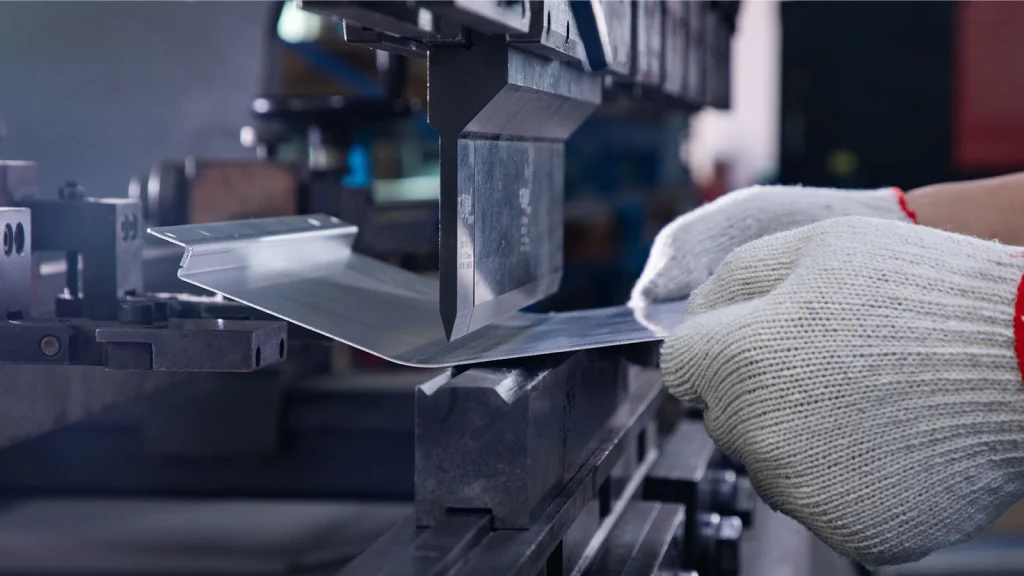
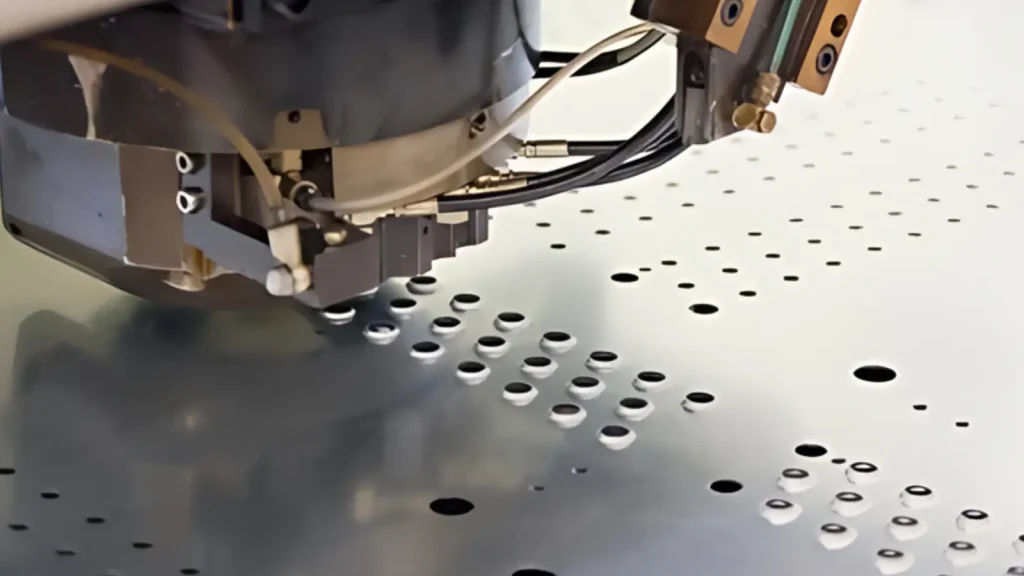
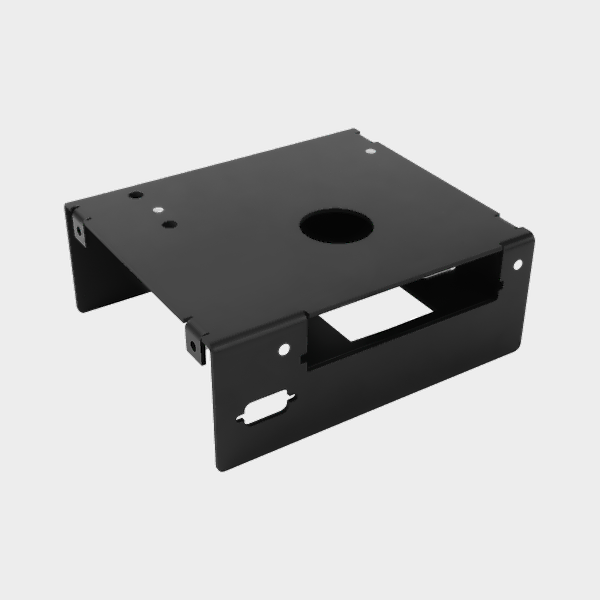
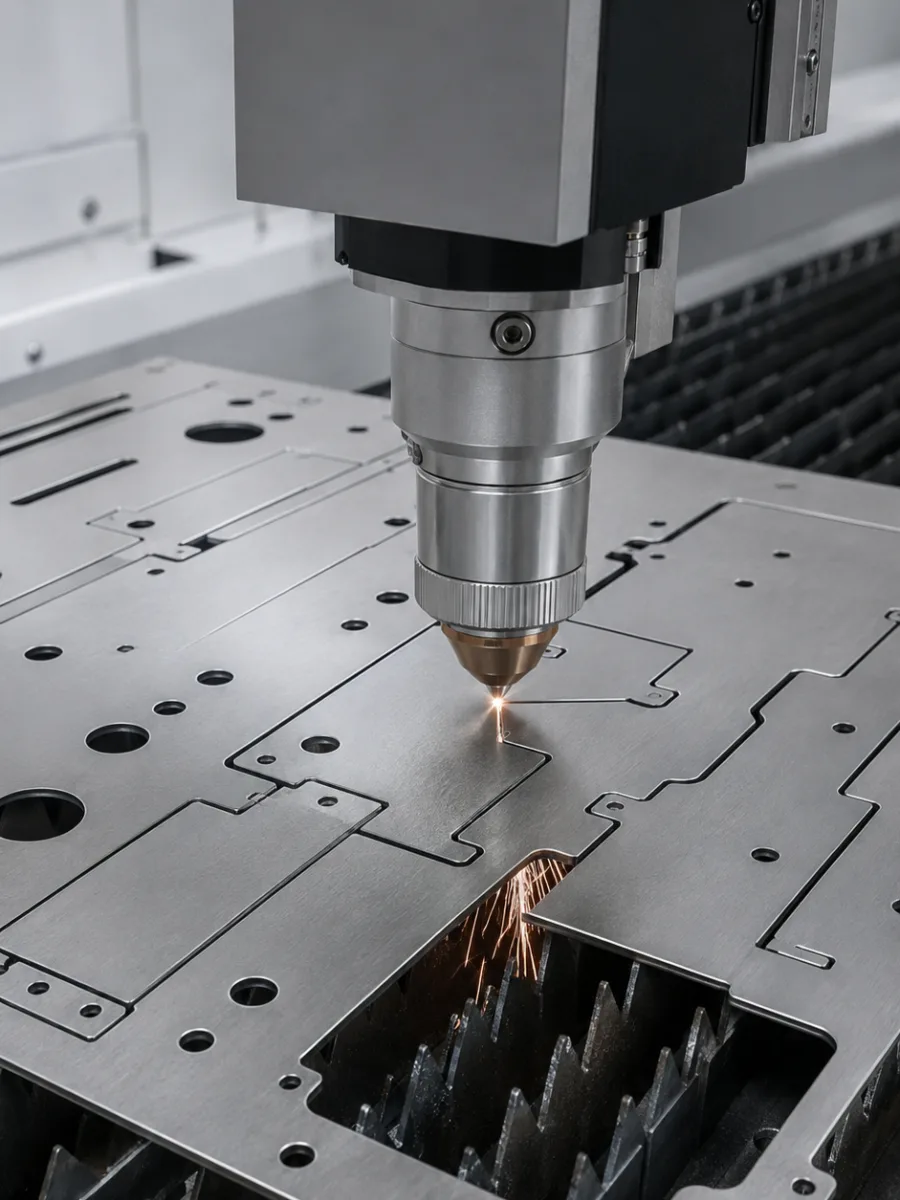
Laser cutting, bending, and finishing of aluminum sheet into enclosures, panels, and brackets.
Explore Aluminum Sheet Metal Fabrication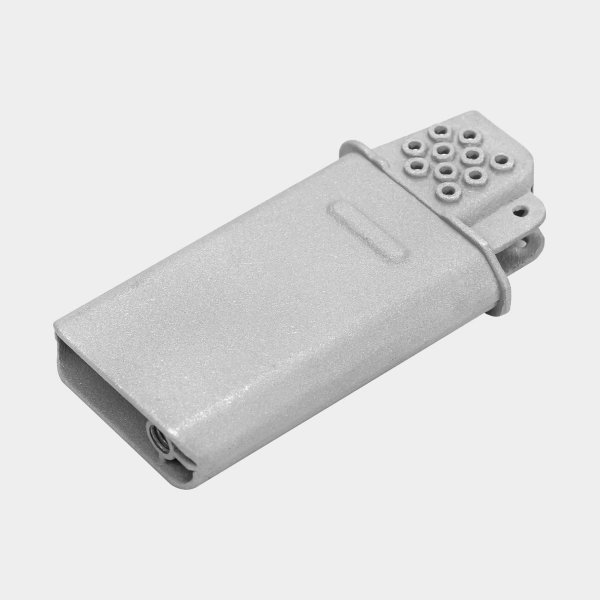
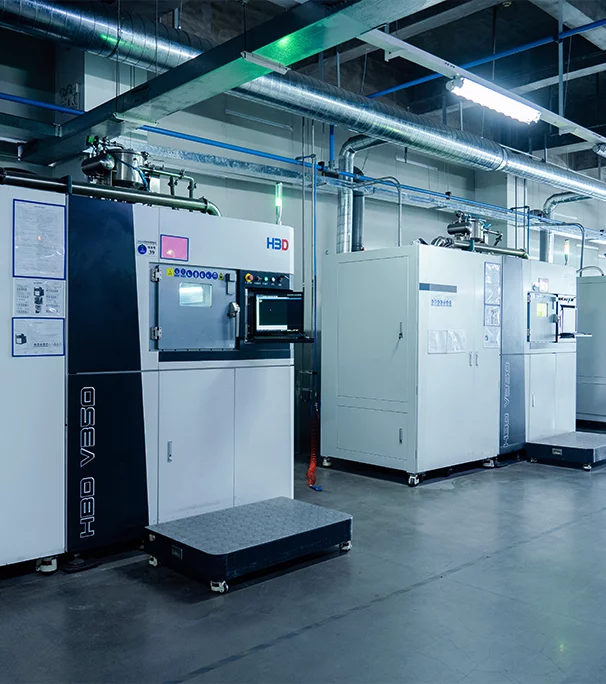
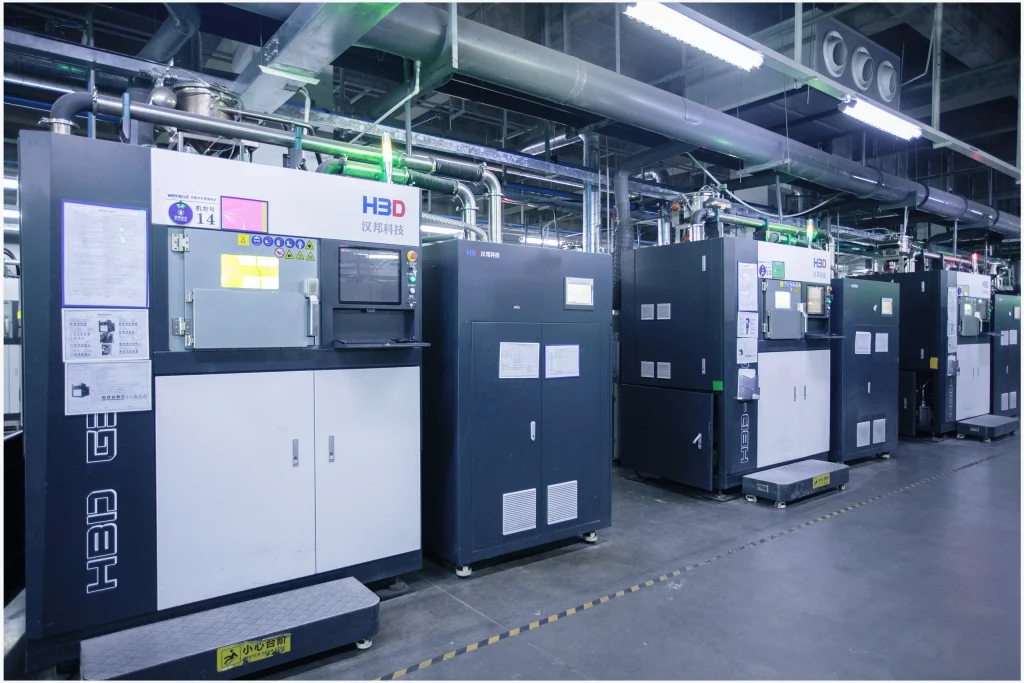
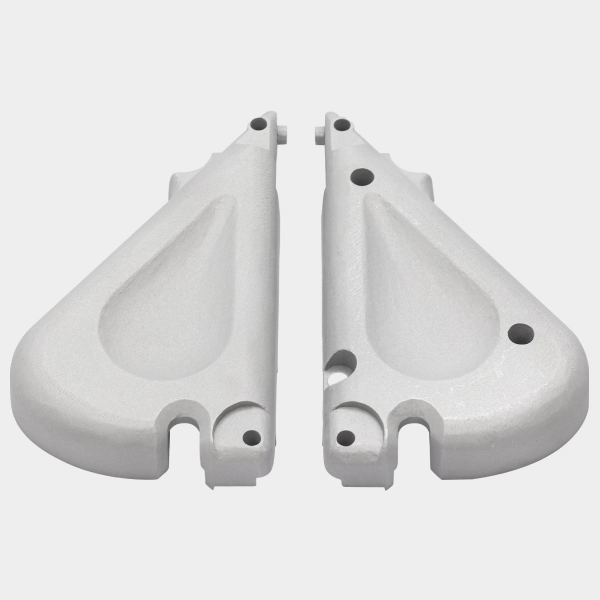
SLM aluminum for lightweight structural parts, heat exchangers, and consolidated assemblies.
Explore Aluminum 3D PrintingCompare the aluminum grades we machine most often. Values refer to the stated alloy condition; density is listed for reference.
| Material & condition | Applicable processes | Tensile strength, yieldMPa | Fatigue strengthMPa | Elongation at break% | HardnessBrinell | Densityg/cm³ | Material data |
|---|---|---|---|---|---|---|---|
| 6061 Aluminum | 276 | 96 | 17 | 95 | 2.70 | View data | |
| 7075 Aluminum | 503 | 160 | 11 | 150 | 2.81 | View data | |
| 2024 Aluminum | 325 | 140 | 20 | 120 | 2.78 | View data | |
| 5052 Aluminum | 193 | 115 | 12 | 60 | 2.68 | View data | |
| 5083 Aluminum | 275 | 125 | 12 | 75 | 2.66 | View data | |
| 6063 Aluminum | 214 | 65 | 12 | 73 | 2.70 | View data | |
| 6082 Aluminum | 260 | 97 | 10 - 12 | 95 | 2.70 | View data | |
| AlSi10Mg-T6 Aluminum | 320–370 | 120–140 | 5–10 | 100–120 | 2.67 | View data |