ABS CNC Machining
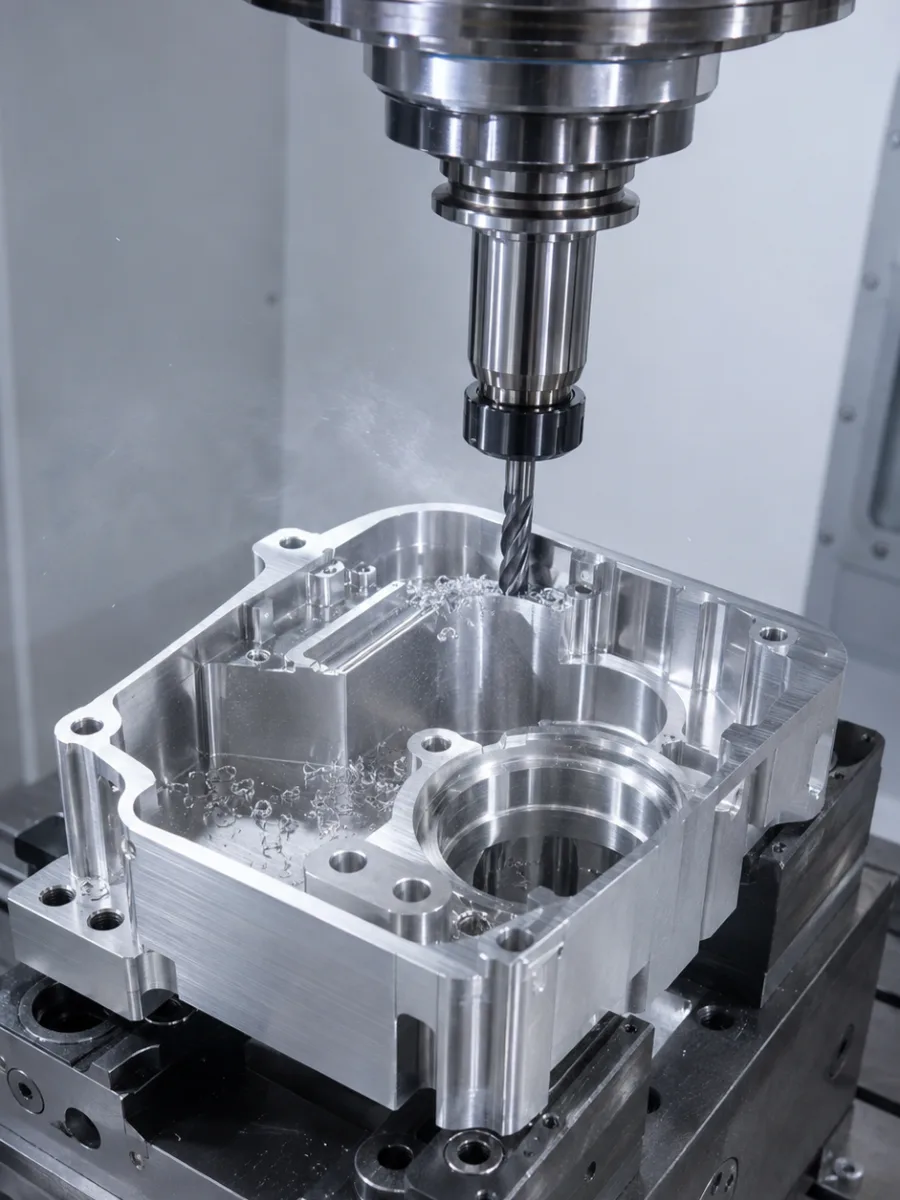
Machined ABS parts with tight tolerances for prototypes and production runs.
Explore ABS CNC Machining
A one-stop product innovation service covering design, prototyping, mass production, and packaging.
Instant quoting workflows and Teamspace account management for collaborative manufacturing.
Our new AI generative model platform to turn ideas into manufacturable designs—fast.
Start Creating →ABS is a tough, impact-resistant thermoplastic used for functional prototypes, enclosures, and end-use components. Machine it, mold it, or print it — specify the grade, finish, and tolerances on your drawing when requesting a quote.
ABS (Acrylonitrile Butadiene Styrene) balances toughness, dimensional stability, and cost better than most commodity thermoplastics. It machines cleanly, molds easily, and prints on FDM systems, so one grade can carry a part from prototype through production. Check two limits against your application before releasing the design: continuous service temperature and UV exposure.
Selection note: ABS has limited heat resistance and poor UV resistance. Parts that see direct sunlight or sustained temperatures near or above 95 °C need a different grade or an added coating.
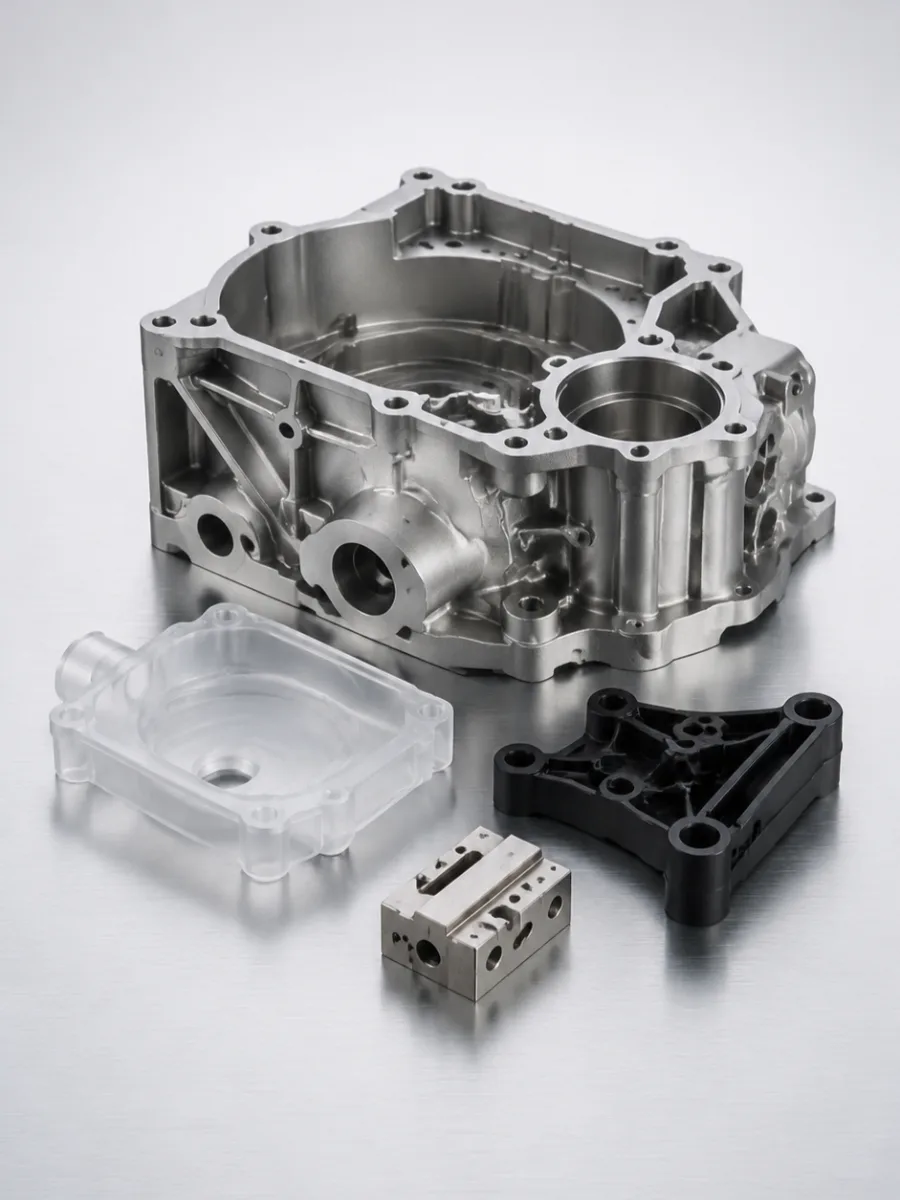
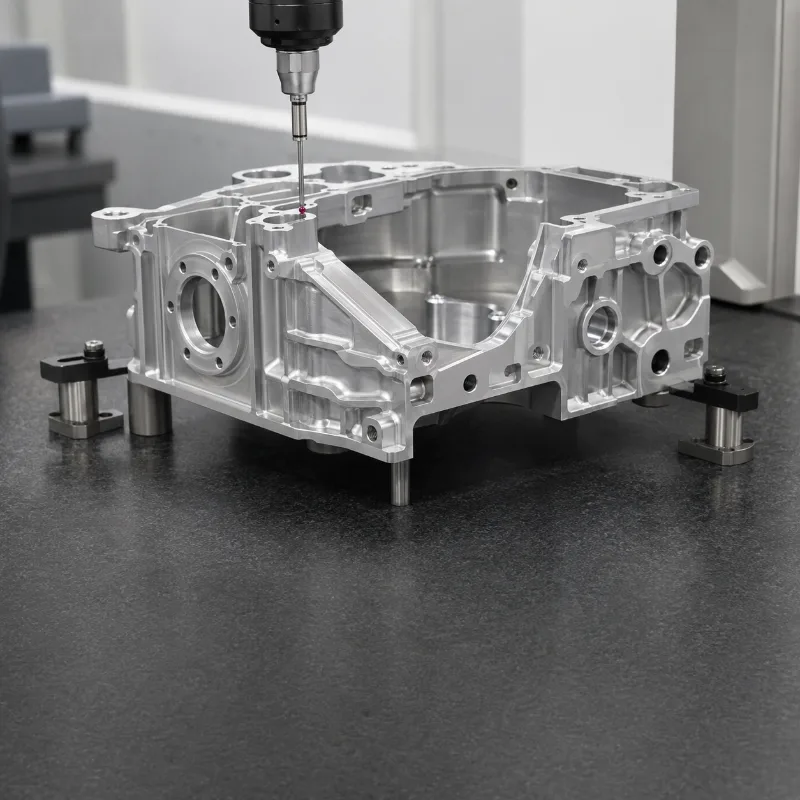
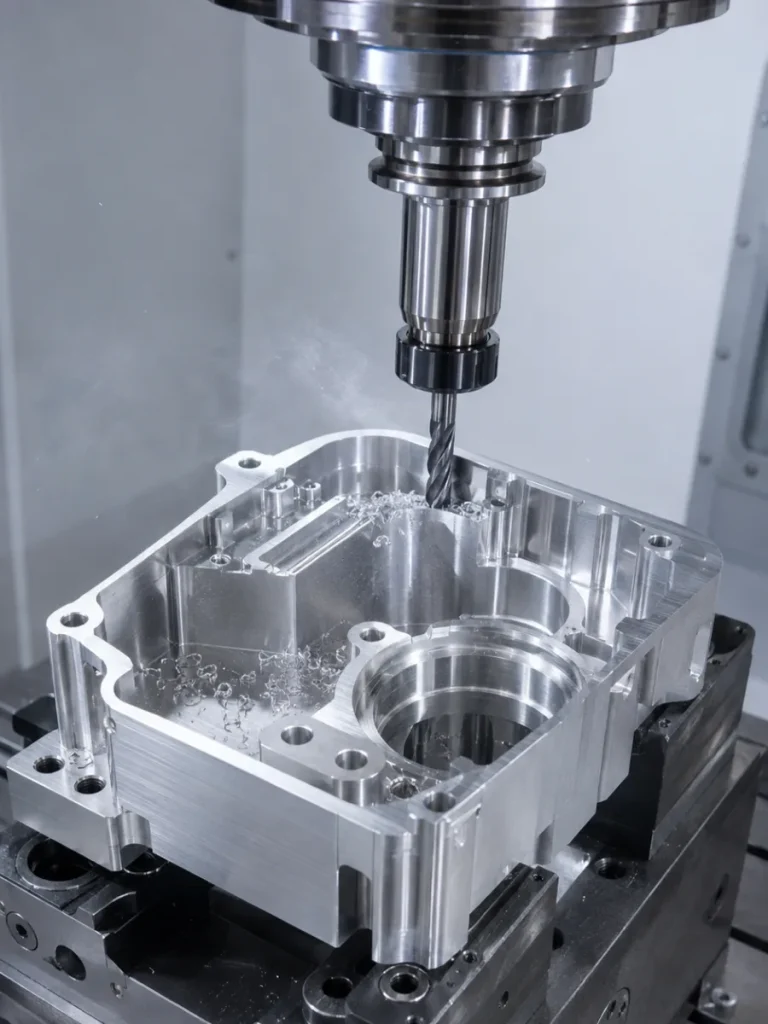
Machined ABS parts with tight tolerances for prototypes and production runs.
Explore ABS CNC Machining →
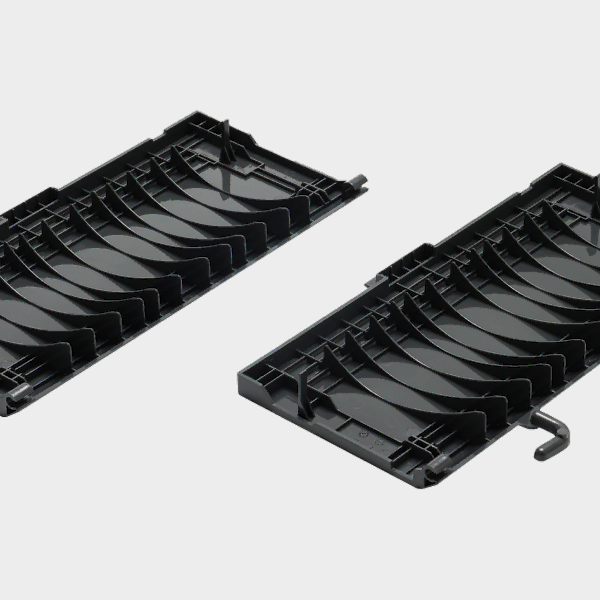
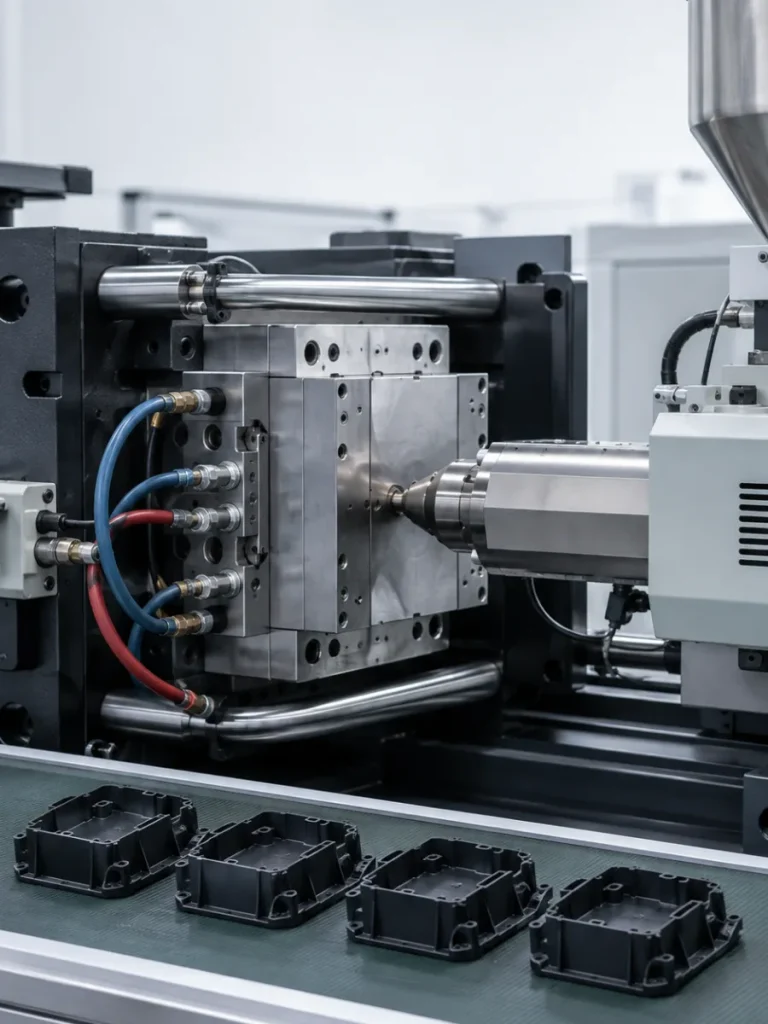
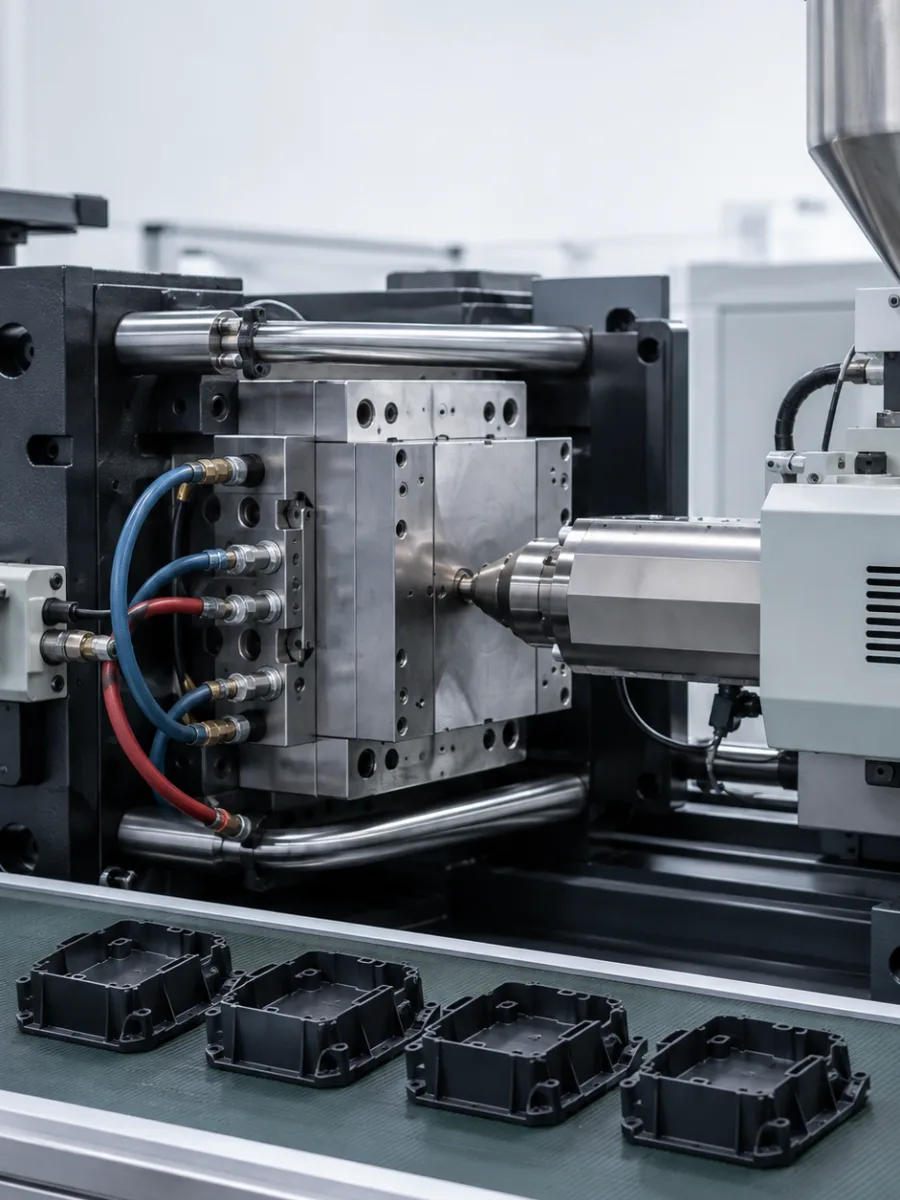
Molded ABS parts for low to high volume production, with finishing options for visible surfaces.
Explore ABS Injection Molding →
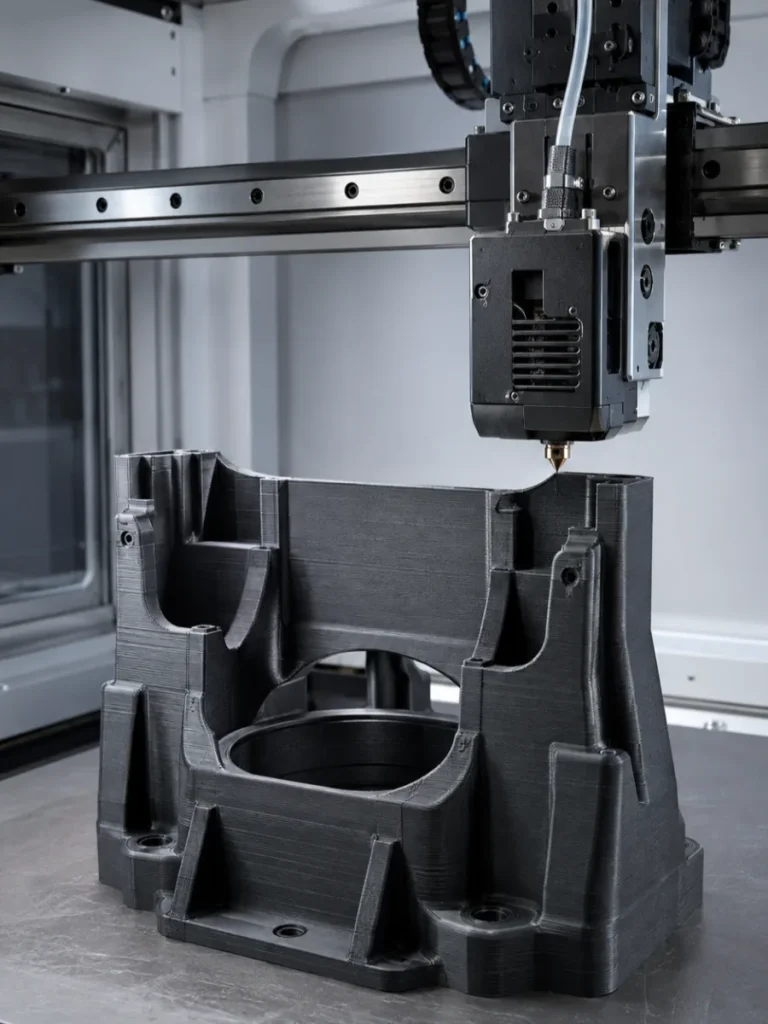
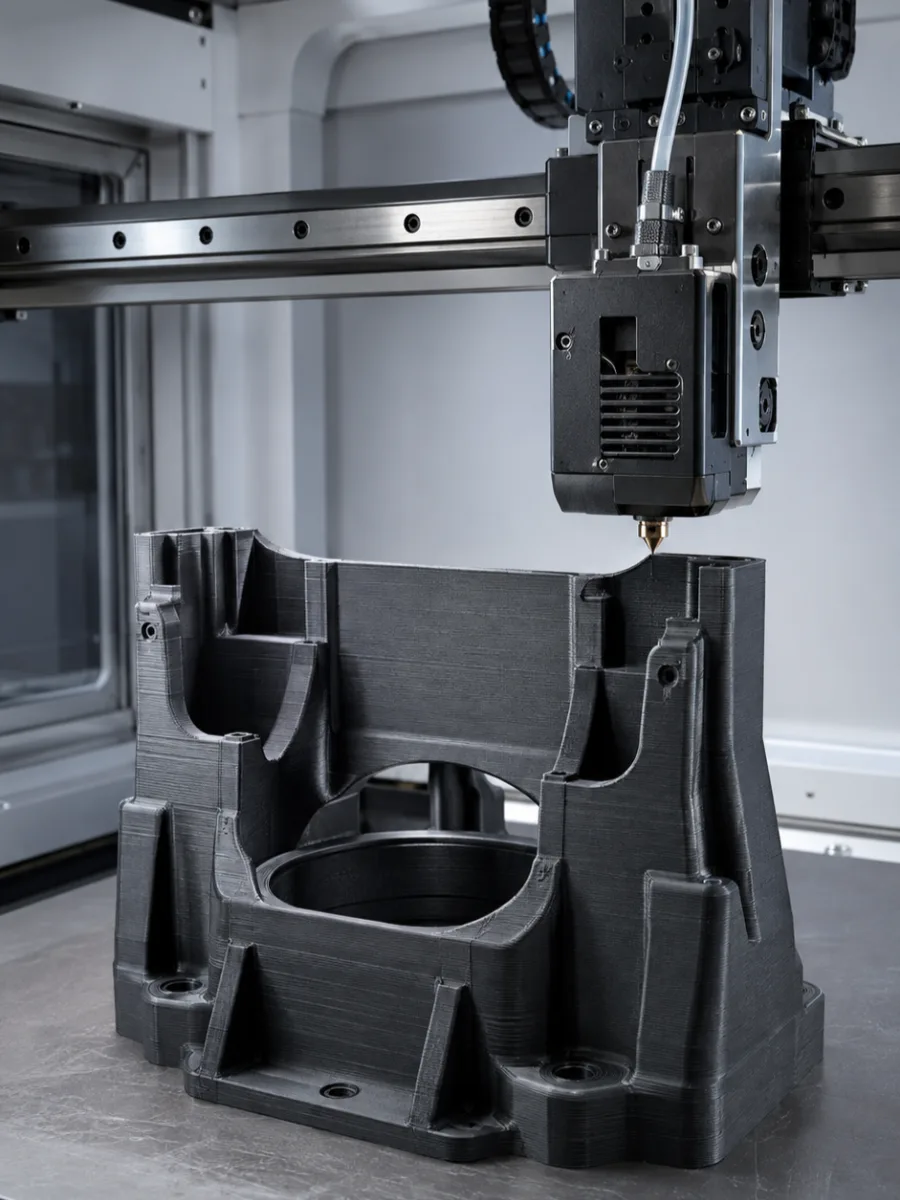
FDM-printed ABS for functional prototypes and low-to-medium volume end-use parts.
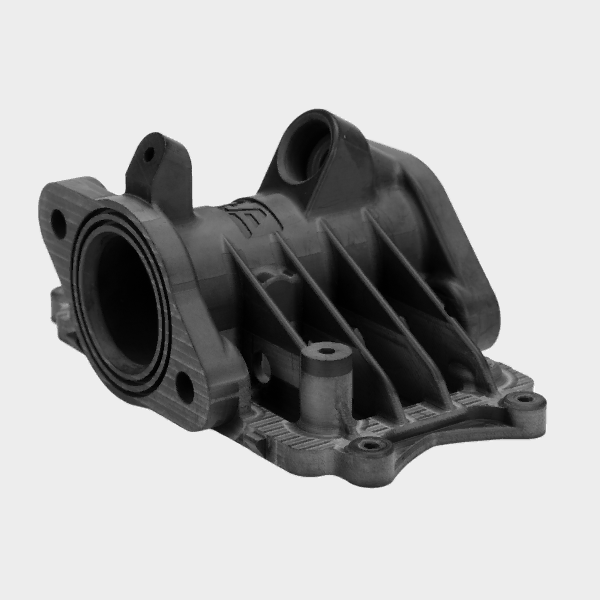
Explore ABS 3D Printing →| Tensile strength, yield | 40 MPa |
|---|---|
| Elongation at break | 10 % |
| Hardness | 109 Rockwell R |
| Density | 1.04 g/cm³ |
|---|---|
| Heat deflection temperature | 95 °C |
| Glass transition temperature | 108 - 109 °C |
| Melting temperature | 170 - 320 °C |
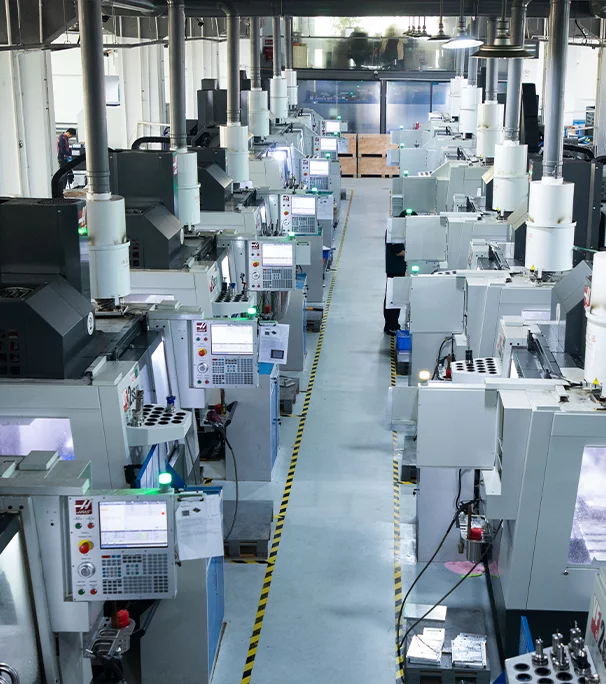
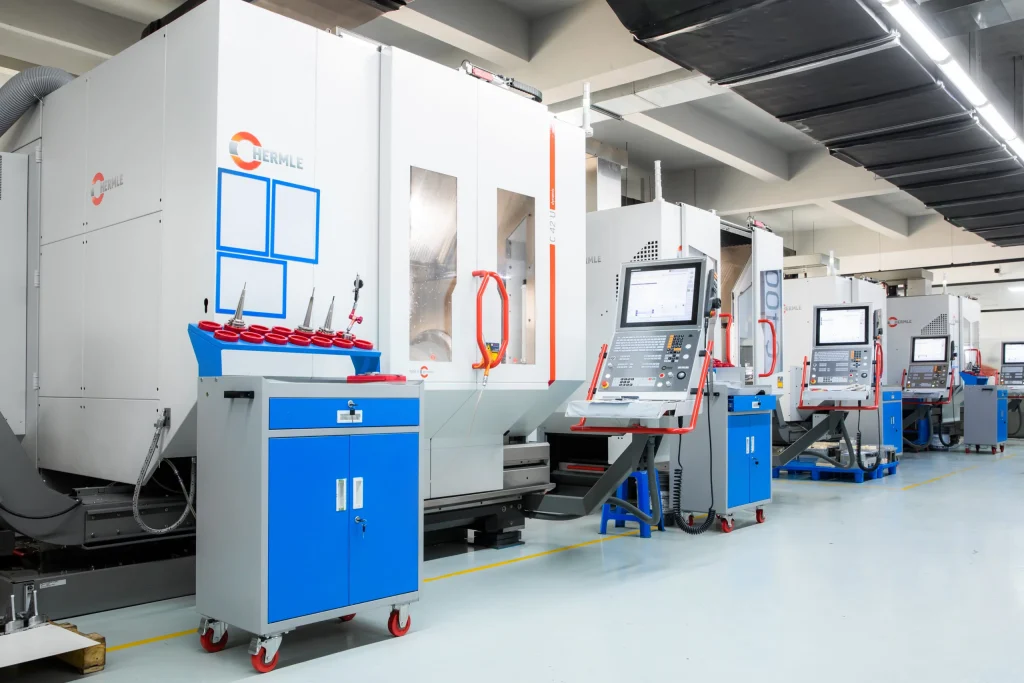
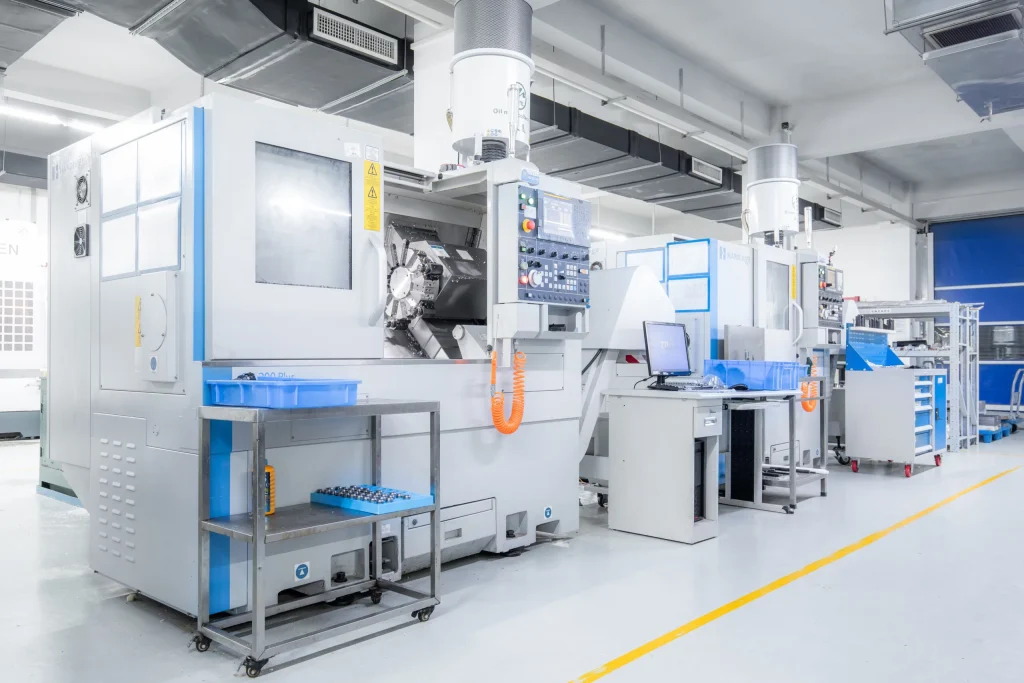
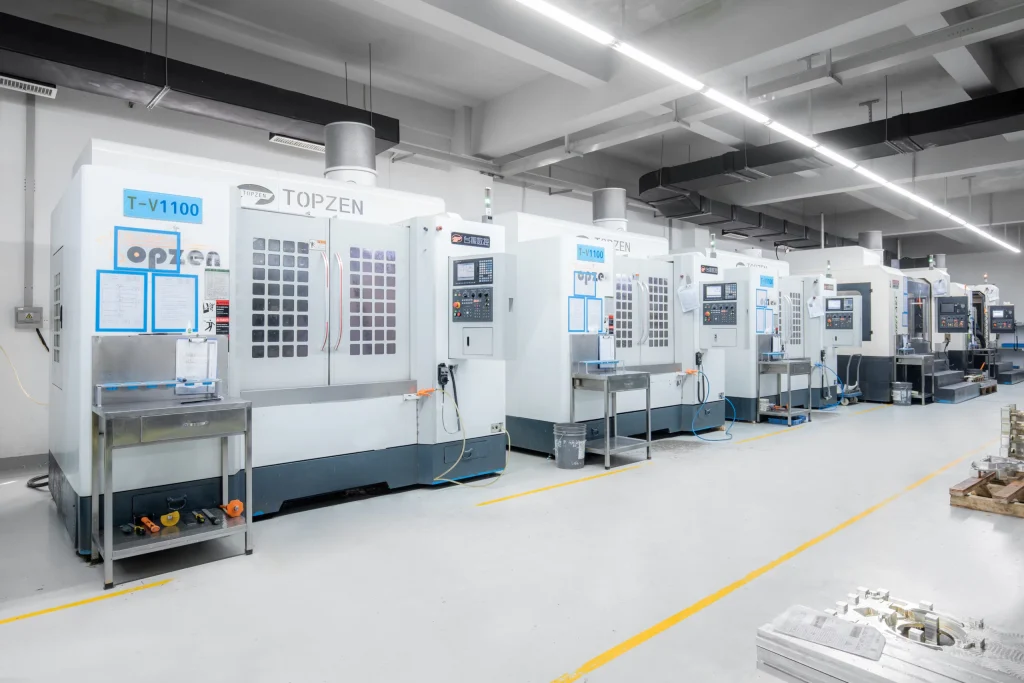
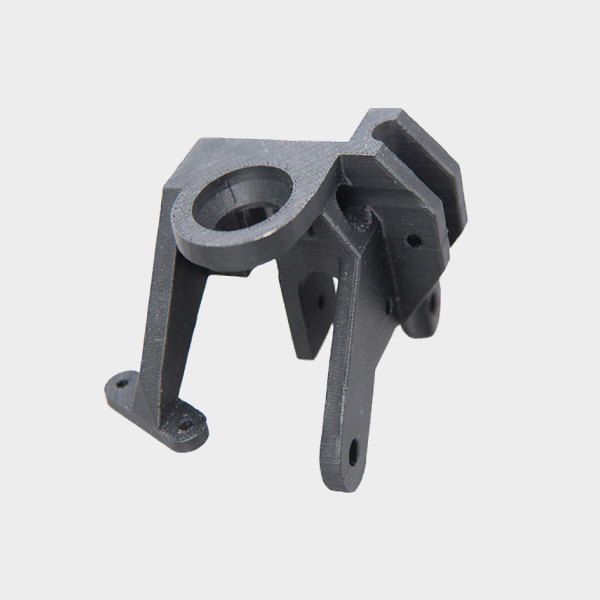
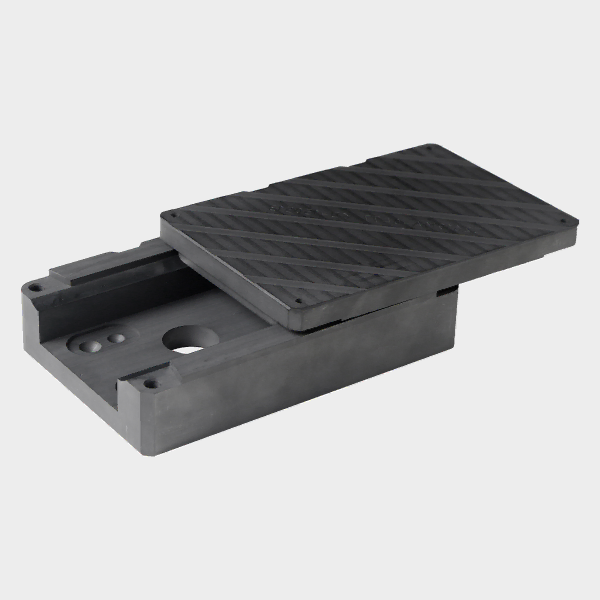
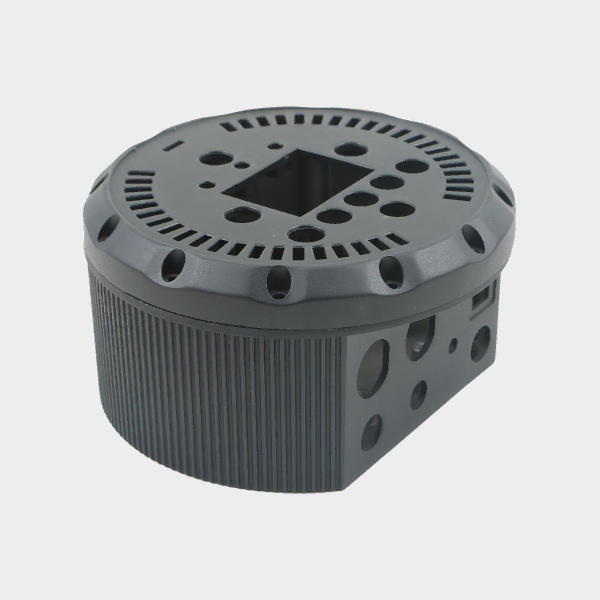
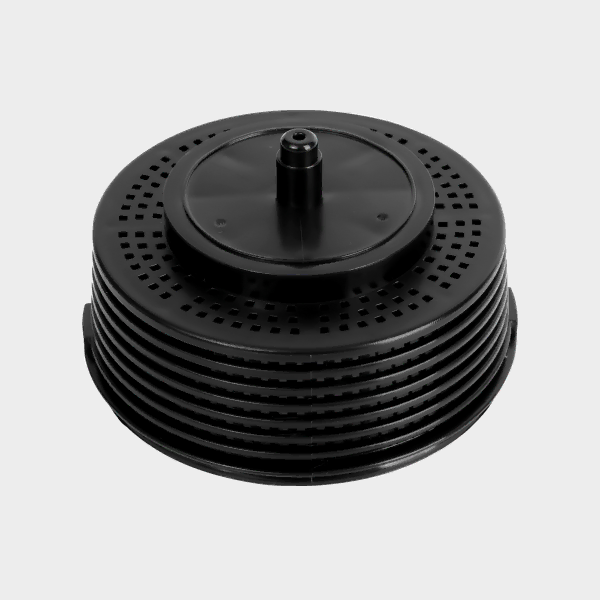
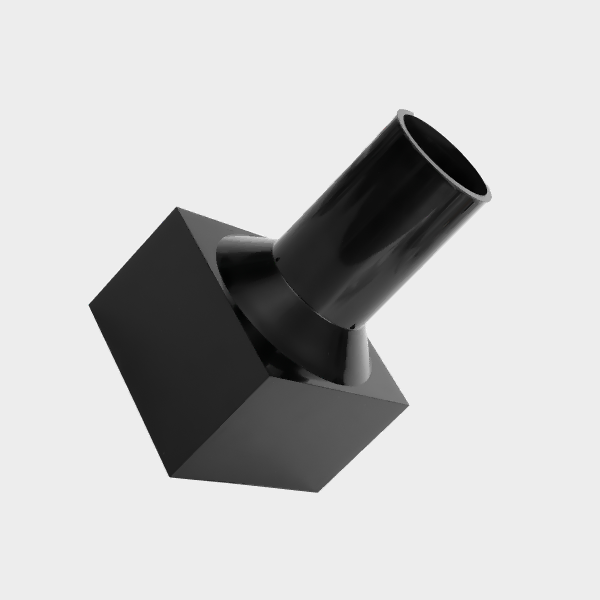
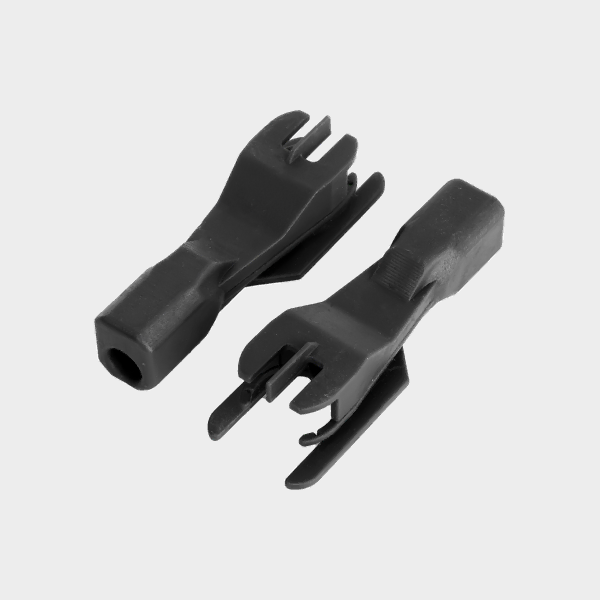
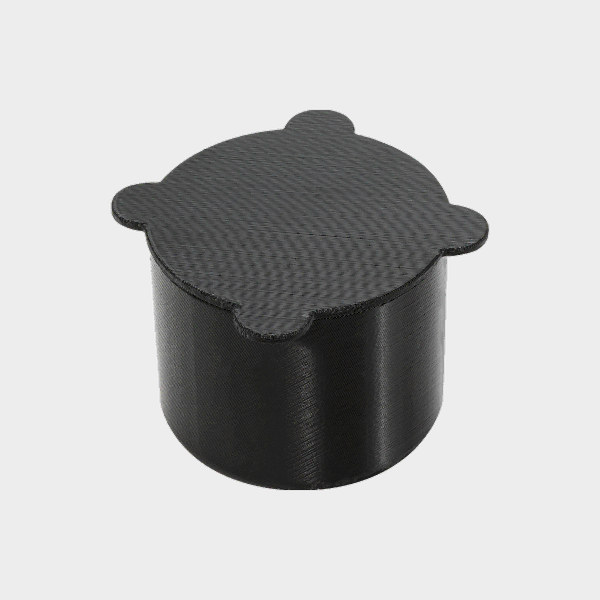
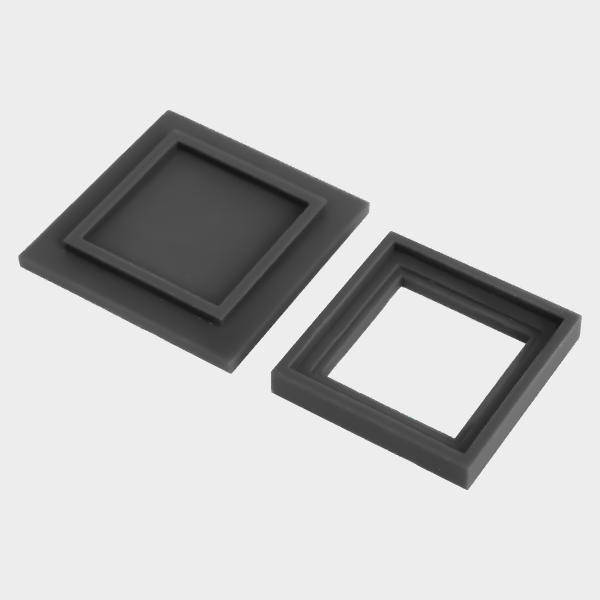


ABS plastic can be effectively machined using CNC technology. Its machinability makes it a popular choice for creating detailed and precise ABS parts, and the material can be shaped and finished without compromising its structural integrity.
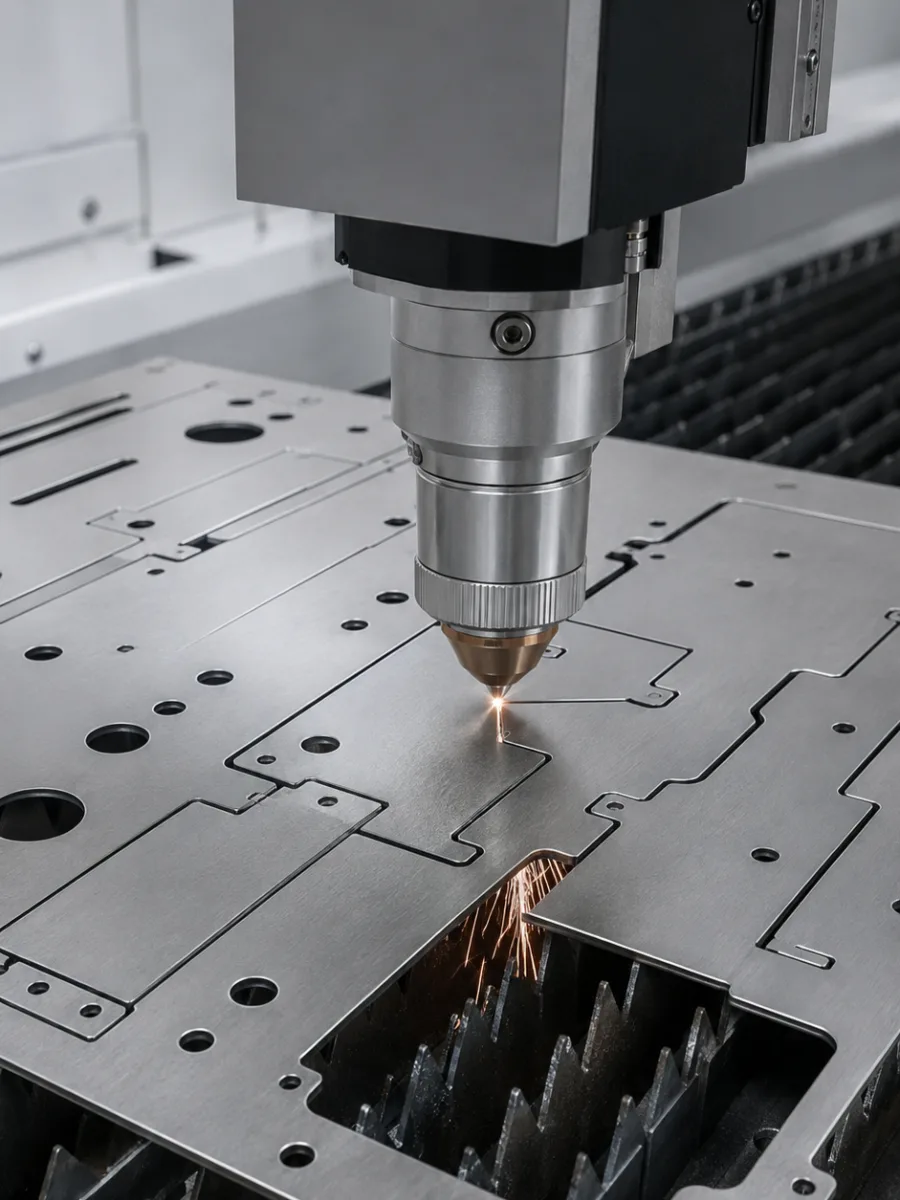
CNC milling is one of the best methods for cutting ABS plastic because of its precision and its ability to create complex geometries. Laser cutting and traditional machining are also used, but CNC machining gives the highest level of detail and accuracy for parts that must meet exact specifications.
Common applications include prototypes, enclosures, housings, mechanical parts, and consumer goods. ABS is also used for automotive components, electronic device cases, and medical equipment because of its durability, impact resistance, and ease of machining.
ABS is relatively easy to machine. It cuts cleanly, holds tolerances well, and produces parts with good surface finishes. Its low melting point and thermal stability suit high-speed machining without melting or deforming.
CNC machining suits low to medium volume production and prototyping because it avoids the upfront cost of mold tooling and shortens turnaround. It is also more flexible for design changes and can produce complex geometries that are difficult to achieve with injection molding.
Select appropriate cutting tools, control heat generation to prevent warping, and clamp the part securely. Machining parameters such as speed and feed rates shape the final surface finish and dimensional accuracy, and cooling or lubrication helps avoid heat build-up in the cut.